



The resin infusion method is a vacuum-assisted process that transforms dry fiber reinforcements into high-performance composite materials. This technique ensures uniform resin distribution, creating void-free composites with exceptional strength and durability. As a closed mold process, it minimizes emissions and enhances workplace safety. Workers handle dry materials, reducing exposure to harmful chemicals. Additionally, the closed system limits volatile organic compounds (VOCs), improving air quality and reducing environmental impact. Industries like aerospace and wind energy increasingly adopt this method for its efficiency and eco-friendly benefits.
Key Takeaways
-
The resin infusion method makes strong, light materials by using vacuum pressure to pull resin into dry fibers. This ensures even coverage.
-
This process reduces waste and saves money by using materials wisely. It is a smart choice for making high-quality parts.
-
The closed mold design of this method cuts down on harmful fumes and keeps workers safe. It also makes the workplace cleaner.
-
This method is flexible and works well for making big or detailed parts. It is used in industries like airplanes, cars, and clean energy.
-
Using the resin infusion method gives great results and helps support eco-friendly manufacturing.
Understanding the Resin Infusion Method
What Is the Resin Infusion Method?
The resin infusion method is a modern technique for creating composite materials. It uses vacuum pressure to draw liquid resin into dry fiber reinforcements placed inside a mold. This process ensures that the resin saturates the fibers evenly, resulting in strong and lightweight composite parts. Unlike traditional methods, such as hand lay-up, this technique minimizes waste and improves the quality of the final product.
Here’s how it works step by step:
-
Dry fabric layers are arranged in a mold.
-
A vacuum is applied to compact the fabric and remove air.
-
Resin flows into the mold through an inlet, saturating the fibers.
This method stands out because it avoids oversaturation, which often occurs in manual processes. By controlling the resin flow, you achieve better fiber-to-resin ratios, leading to stronger and more durable composites.
Alternative Names and Related Processes
The resin infusion method is known by several other names, reflecting its variations and adaptations across industries. Some of the most common terms include:
-
Vacuum infusion: A general term for using vacuum pressure to infuse resin.
-
VARTM (Vacuum-Assisted Resin Transfer Molding): A popular variation where resin is drawn into the mold using vacuum pressure.
-
RIFT (Resin Injection under Flexible Tooling): A process involving flexible tools to shape the composite.
-
SCRIMP Process: One of the earliest patented methods for resin infusion.
-
RTM Light: A vacuum-based variation of resin transfer molding.
These names often highlight specific techniques or tools used in the process. For example, VARTM eliminates the need for high heat or pressure, making it more cost-effective. In contrast, traditional RTM involves injecting resin under pressure, which requires more expensive equipment.
When compared to hand lay-up methods, the resin infusion method offers cleaner operations and better results. Hand lay-up involves manually applying resin to fabric layers, which can lead to uneven distribution and air pockets. In contrast, resin infusion ensures consistent resin usage and reduces waste, making it a more efficient and reliable choice.
How the Resin Infusion Method Works
Preparing the Mold and Materials
Cleaning and applying release agents
To begin, you must prepare the mold to ensure a smooth and successful infusion process. Start by thoroughly cleaning the mold to remove any dust, grease, or debris. This step prevents imperfections in the final composite. Next, apply a release agent evenly across the mold’s surface. This agent acts as a barrier, making it easier to remove the finished part without damage. For best results, ensure the release agent covers all areas where resin might flow.
Placing dry fiber reinforcements in the mold
Once the mold is ready, you can arrange the dry fiber reinforcements. Cut the fibers to fit the mold’s shape and place them carefully, ensuring proper alignment. If needed, use adhesive to tack the fabric in place to prevent shifting during the process. To enhance resin flow, add an infusion mesh or peel ply on top of the fibers. This layer helps distribute the resin evenly, resulting in a high-quality composite.
Setting Up the Vacuum System
Sealing the mold with a vacuum bag
After preparing the mold and materials, you need to set up the vacuum system. Cover the mold with a vacuum bag, ensuring it completely seals the mold. Use a sealing tape to secure the edges and prevent air leaks. A tight seal is crucial for maintaining the vacuum pressure required for resin infusion.
Connecting vacuum lines and ensuring airtightness
Next, connect the vacuum lines to the mold. Use strong vinyl tubing to maintain consistent flow during the process. Incorporate resin traps to protect the vacuum pump from excess resin. Before proceeding, check for airtightness by running the vacuum pump and inspecting for leaks. Address any issues immediately to avoid complications during infusion.
Infusing the Resin
Mixing and preparing the resin
Prepare the resin by mixing it according to the manufacturer’s instructions. Ensure the mixture is free of bubbles or contaminants, as these can affect the final product’s quality. Use a clean container and tools to maintain purity. Once mixed, the resin should be ready for infusion.
Using vacuum pressure to draw resin into the fibers
With the vacuum system in place, you can begin the infusion process. Open the resin inlet and allow the vacuum pressure to draw the resin into the fibers. Monitor the flow carefully to ensure complete saturation of the reinforcement layers. Adjust the resin feed if necessary to avoid dry spots or voids. This step requires precision to achieve a uniform and durable composite.
Curing and Finishing
Allowing the resin to cure under controlled conditions
Once the resin has fully infused the fibers, you need to allow it to cure. This step is crucial for achieving the desired strength and durability of the composite. Place the mold in a controlled environment where temperature and humidity remain stable. Many resins require specific curing conditions, so follow the manufacturer’s guidelines closely. For example, some resins cure at room temperature, while others need elevated heat. Using a heat source, such as an oven or heating blanket, can speed up the process if necessary.
Monitor the curing process carefully. Avoid disturbing the mold during this time, as movement can disrupt the resin’s distribution. Depending on the resin type, curing may take several hours or even days. Patience is key here. Rushing this step can compromise the quality of the final product.
Tip: Use a timer or curing schedule to track progress and ensure optimal results.
Removing the finished part from the mold
After the resin has cured completely, you can remove the composite part from the mold. Start by peeling away the vacuum bag and any additional layers, such as the peel ply or infusion mesh. These materials should come off easily if you applied the release agent correctly during preparation.
Carefully separate the composite from the mold. Use gentle tools, like plastic wedges, to avoid damaging the part or the mold. Inspect the finished product for any imperfections, such as rough edges or excess resin. If needed, trim or sand the edges to achieve a clean finish.
At this stage, your composite part is ready for use or further processing. The resin infusion method ensures that the final product is strong, lightweight, and free of voids, making it ideal for high-performance applications.
Benefits of the Resin Infusion Method
High-Quality Results
Uniform resin distribution
The resin infusion method ensures that resin spreads evenly across the fibers, creating a uniform composite structure. This uniformity enhances the strength and durability of the final product. Unlike traditional methods, which often result in uneven saturation, this process achieves optimal fiber-to-resin ratios. These ratios improve the composite’s performance and reliability.
|
Benefit |
Description |
|---|---|
|
Improved Fiber-to-Resin Ratios |
Achieves optimal ratios for enhanced strength and performance. |
|
Better Consolidation |
Results in stronger bonding and overall product integrity. |
|
Reduced Void Content |
Minimizes defects, leading to higher quality products. |
|
Consistency in Quality |
Ensures uniformity across parts, enhancing reliability. |
Reduced risk of air pockets or voids
Air pockets or voids can weaken composites, but the vacuum-assisted nature of this method minimizes these defects. By removing air during the process, you achieve a denser and more robust material. This results in a smoother surface finish and higher-quality parts.
Cost-Effectiveness
Efficient material usage
The resin infusion method uses materials more efficiently than traditional techniques. Dry fibers and controlled resin flow reduce waste, saving you money on raw materials. Additionally, the process eliminates the need for costly autoclave infrastructure, further lowering production expenses.
-
Key Cost Benefits:
-
Lower raw material costs by using dry fibers.
-
Reduced energy consumption during processing.
-
Predictable outcomes reduce errors and waste.
-
Lower labor costs compared to traditional methods
This method simplifies the manufacturing process, reducing the need for skilled labor. Operators no longer need to manually judge resin saturation, which minimizes variability and errors. Over time, this predictability leads to significant savings, especially for large-scale projects.
Environmental and Safety Advantages
Reduced emissions due to closed mold design
The closed mold design of the resin infusion method significantly reduces emissions. Unlike open molding, which releases harmful volatile organic compounds (VOCs) into the air, this process contains emissions within the mold. This makes it an eco-friendly choice for composite manufacturing.
|
Advantage |
Description |
|---|---|
|
Reduced Emissions |
Vacuum Infusion Process (VIP) produces less emissions compared to open molding. |
|
Low Environmental Impact |
RTM has a lower environmental impact than other processes. |
Cleaner and safer working environment
By handling dry materials and using a closed system, you reduce exposure to harmful chemicals. This creates a safer workplace with fewer health risks. Additionally, the process minimizes odors and skin contact, improving overall working conditions.
Tip: Adopting this method not only benefits the environment but also enhances worker safety and comfort.
Versatility
Suitable for large and complex parts
The resin infusion method excels in producing large and intricate composite components. You can use this process to manufacture items like boat hulls, wind turbine blades, and even bridge beams. Its vacuum-assisted design ensures uniform resin distribution, which is crucial for maintaining the structural integrity of oversized parts. This method also allows you to create complex shapes without compromising quality. For example, architectural elements such as building cladding panels benefit from this technique due to its precision and ability to handle detailed designs.
Another advantage is its scalability. Whether you’re working on a single prototype or mass-producing large components, this method adapts to your needs. The controlled resin flow and vacuum pressure ensure consistent results, regardless of the part’s size or complexity. This makes it a preferred choice for industries requiring high-performance materials in demanding applications.
Compatible with various fiber and resin types
The resin infusion method offers remarkable flexibility in material selection. You can combine it with a wide range of fibers, including inorganic options like glass fiber and organic alternatives such as flax. This versatility allows you to tailor the composite’s properties to meet specific requirements. For instance, glass fibers provide excellent strength and durability, while flax fibers offer eco-friendly benefits.
Additionally, this method supports the integration of other materials, such as closed-cell foams, balsawood, or honeycomb cores. These combinations enhance the composite’s performance by adding stiffness or reducing weight. You can also pair the process with different resin systems, making it suitable for various industries like aerospace, marine, and infrastructure. This adaptability ensures that the resin infusion method remains a cost-effective and efficient solution for diverse manufacturing needs.
Limitations and Challenges of the Resin Infusion Method
Equipment and Setup Costs
Initial investment in vacuum systems and molds
The resin infusion method requires specialized equipment, which can lead to high initial costs. You need to invest in vacuum pumps, resin traps, and durable molds to ensure the process runs smoothly. These tools must meet specific standards to handle the vacuum pressure and resin flow effectively. For example, molds must be rigid enough to maintain their shape under vacuum conditions. Additionally, you may need to purchase consumables like vacuum bags and sealing tapes regularly, which adds to the overall expense.
If you’re new to this method, the upfront costs might seem daunting. However, these investments often pay off in the long run by reducing material waste and improving product quality. For small-scale operations or one-off projects, though, the financial burden can outweigh the benefits.
Material Constraints
Limited to specific resin and fiber combinations
The resin infusion method works best with certain resin and fiber combinations. Not all materials are compatible with this process, which can limit your options. For instance, some resins may not flow easily under vacuum pressure, while others might cure too quickly, disrupting the infusion. Similarly, certain fibers may not allow for uniform resin distribution, leading to weak spots in the final product.
|
Limitation |
Impact on Applications |
|---|---|
|
Slow manufacturing process |
Not suitable for applications requiring high production rates. |
|
Considerable waste generation |
Results in significant waste for one-off or large parts where flexible films are impractical. |
These constraints mean you must carefully select materials to match your project’s requirements. While this ensures high-quality results, it also demands more planning and expertise.
Skill and Expertise Requirements
Need for trained personnel to ensure proper setup
Successfully implementing the resin infusion method requires a skilled team. You need personnel who understand the principles of vacuum infusion and can troubleshoot issues during the process. Knowledge of material selection is equally important. Choosing the wrong resin or fiber can compromise the quality of your composite.
-
A high level of expertise is necessary for understanding infusion processing principles.
-
Knowledge in material selection is crucial for successful implementation.
-
Technical aspects of the infusion process must be well understood to ensure effectiveness.
Training your team can mitigate these challenges, but it takes time and resources. Without proper expertise, you risk errors that could lead to defective products or wasted materials.
Time-Intensive Process
Longer preparation and curing times compared to some methods
The resin infusion method requires more time than many other composite manufacturing processes. This extended timeline begins with the preparation phase. You must carefully clean the mold, apply release agents, and arrange dry fiber reinforcements. Each step demands precision to ensure the final product meets quality standards. These tasks, while essential, can take significantly longer compared to simpler methods like hand lay-up.
Curing also adds to the time-intensive nature of this process. After infusing the resin, you need to allow it to cure under controlled conditions. Depending on the resin type, curing may take several hours or even days. For example, some resins require elevated temperatures, which means additional time for heating and cooling. This step is crucial for achieving the desired strength and durability of the composite, but it can delay production schedules.
Note: The curing process should never be rushed. Doing so can compromise the quality and structural integrity of the final product.
Compared to other methods, resin infusion is slower and less suitable for high production rates. Processes like compression molding or injection molding often deliver faster results, making them ideal for mass production. However, resin infusion compensates for its slower pace with superior quality and safety. It excels in low-volume production scenarios where precision and performance matter most.
-
Key Comparisons:
-
Resin infusion is a slow manufacturing process.
-
It is not advisable for applications requiring high production rates.
-
While the time commitment may seem like a drawback, the method’s ability to produce void-free, high-performance composites makes it a worthwhile investment for many industries. You gain a product that meets stringent quality standards, even if it takes a little longer to create.
Applications of the Resin Infusion Method
Aerospace Industry
Lightweight and durable components for aircraft
The aerospace industry relies on the resin infusion method to produce lightweight yet durable components. This process is ideal for creating critical parts like wings, control surfaces, and aerodynamic structures. For example, the Airbus A220 wing uses resin transfer infusion to achieve a 10% weight reduction and 20% lower maintenance costs. Similarly, the MC-21 wing incorporates advanced infusion strategies, resulting in significant weight savings. Other applications include rear pressure bulkheads for the Boeing 787 Dreamliner and Airbus A350 XWB, as well as the vertical tail of the Mitsubishi Regional Jet (MRJ). These components benefit from the method’s ability to create strong, void-free composites, which are essential for withstanding the stresses of flight.
|
Application |
Description |
Benefits |
|---|---|---|
|
Airbus A220 Wing |
Utilizes resin transfer infusion for primary structures. |
10% weight reduction, 20% lower maintenance. |
|
MC-21 Wing |
Features complete out-of-autoclave processing with integrated design. |
Advanced infusion strategies, weight savings. |
|
Secondary Structures |
Includes control surfaces, access doors, and aerodynamic surfaces. |
Economic advantages on critical components. |
Automotive Industry
High-performance parts for vehicles
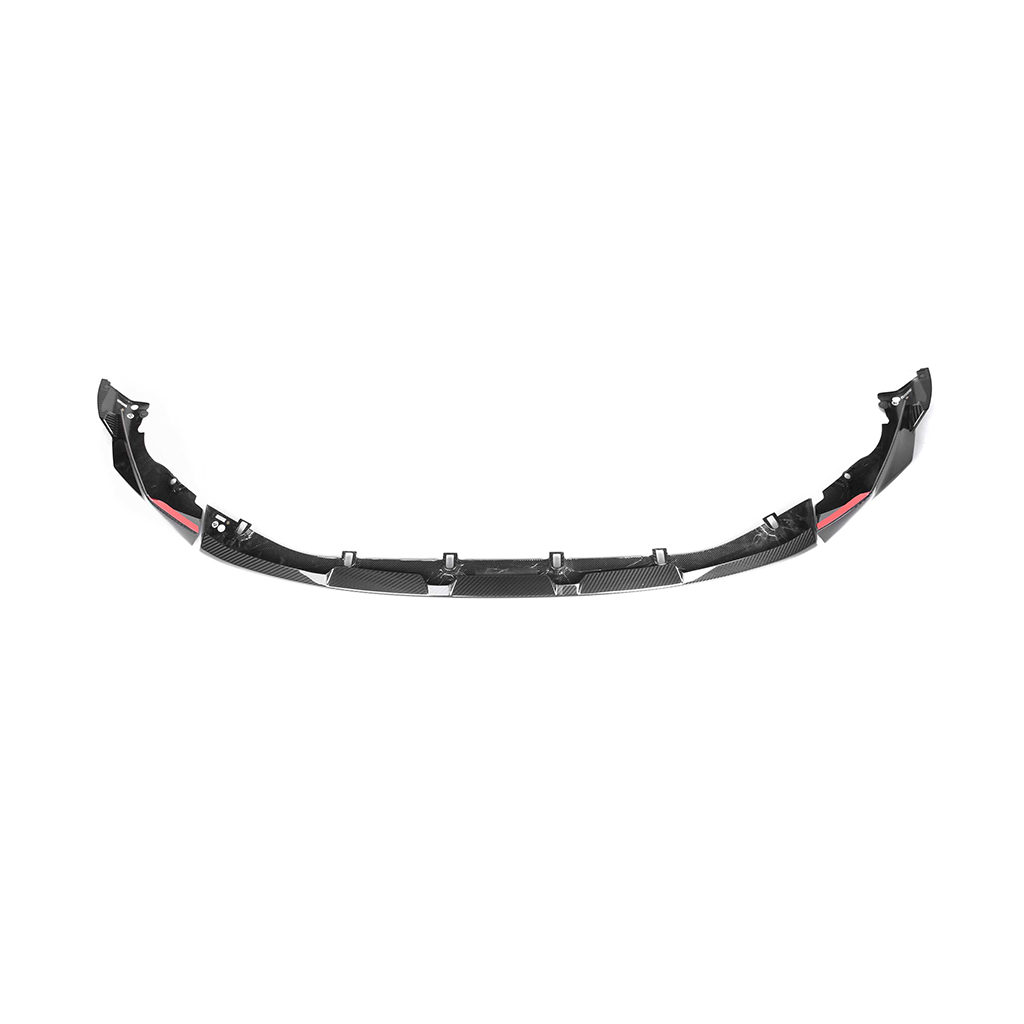
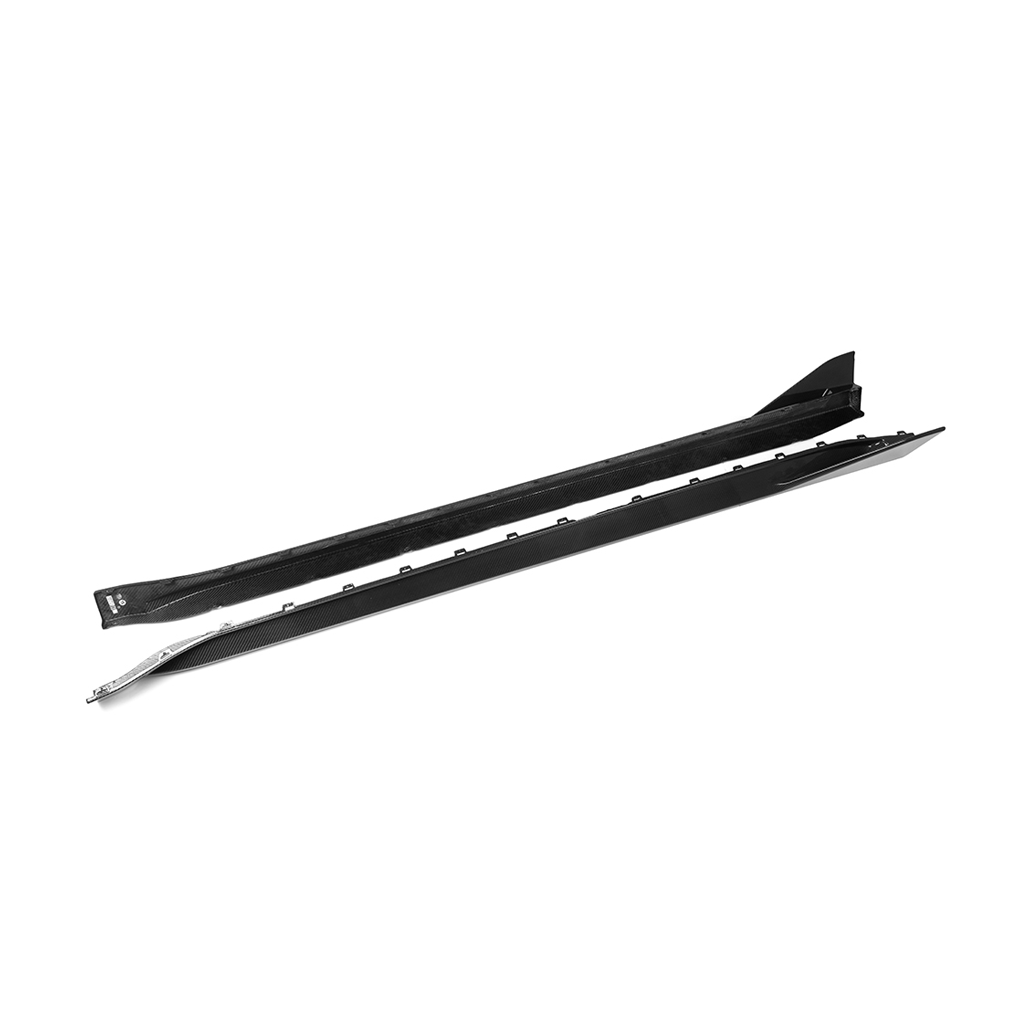
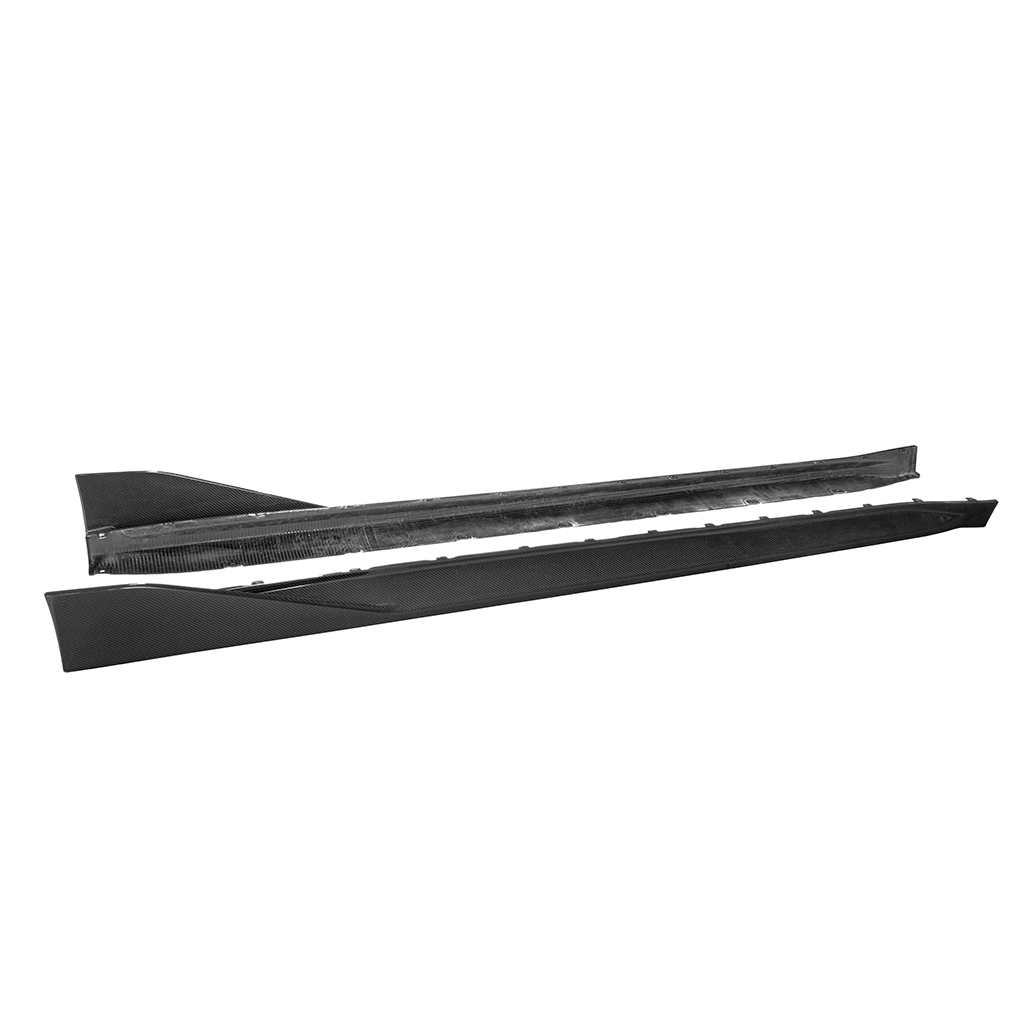
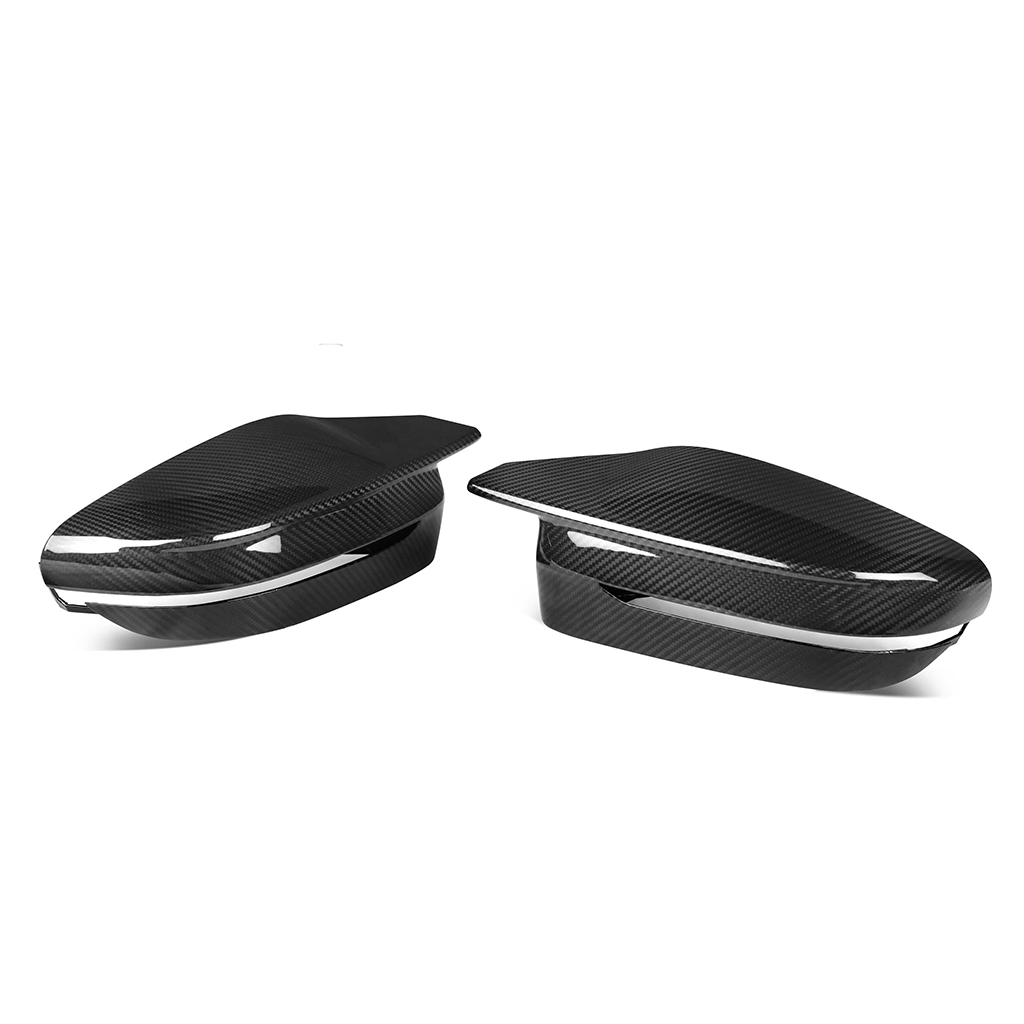
The resin infusion method is widely used in the automotive industry to manufacture high-performance parts. This process is particularly effective for low-volume production, such as creating a few hundred identical pieces annually. It is also ideal for producing large, complex parts that are challenging to make with other techniques. For instance, Vacuum-Assisted Resin Transfer Molding (VARTM) allows you to create lightweight and strong composite materials with fewer voids and defects. This method improves mechanical properties, enhancing the performance of automotive components. Additionally, VARTM operates at lower costs due to inexpensive tooling, making it a cost-effective solution for manufacturing durable and efficient vehicle parts.
-
Key advantages of the resin infusion method in automotive applications:
-
Produces lightweight and strong composite materials.
-
Reduces void content, improving part performance.
-
Suitable for large, complex parts in a single operation.
-
Marine Industry
Hulls, decks, and other boat components
The marine industry benefits significantly from the resin infusion method, especially for manufacturing hulls, decks, and other boat components. This process minimizes resin waste by using only the amount needed, reducing excess by up to 60% compared to hand laminating. It also enhances worker safety by allowing dry handling of reinforcement materials, which lowers exposure to harmful chemicals. The resulting composites are lightweight, leading to faster boats and improved towing efficiency. Additionally, the method produces high-performance laminates comparable to more expensive processes, making it a cost-effective choice for marine applications.
|
Advantage |
Description |
|---|---|
|
Cost-Effectiveness |
Low investment cost compared to traditional methods. |
|
Quality |
Produces high-performance laminates comparable to more expensive processes. |
|
Worker Safety |
Reduces exposure to harmful resins, minimizing health risks. |
Tip: Using the resin infusion method for marine components not only improves performance but also ensures a safer and more sustainable manufacturing process.
Renewable Energy
Wind turbine blades and other energy components
The resin infusion method plays a vital role in renewable energy, especially in manufacturing wind turbine blades. These blades consist of approximately 60% fiberglass or carbon fiber, 30% epoxy or polyester resin, and a small percentage of core materials, adhesives, and hardware. This combination creates lightweight yet durable components, essential for efficient energy generation. The high strength-to-weight ratio of these composites allows wind turbines to operate more effectively, even in challenging environments.
Between 2000 and 2005, manufacturers began adopting resin infusion for large blade production. Today, about 65% of large wind turbine blades are made using this method. This shift highlights its ability to produce larger, more efficient blades with fewer defects. By ensuring uniform resin distribution, the process enhances the structural integrity of these critical components.
Did you know? Research by NREL focuses on developing thermoplastic resins for wind turbine blades. These materials could make blades recyclable, reducing landfill waste and promoting sustainability in wind energy.
The resin infusion method also supports the creation of other renewable energy components, such as solar panel frames and tidal turbine parts. Its precision and adaptability make it a preferred choice for industries aiming to reduce their environmental impact.
Other Applications
Sporting goods, architectural elements, and more
Beyond industrial uses, the resin infusion method excels in crafting high-performance sporting goods. Items like tennis rackets, surfboards, and bicycle frames benefit from its ability to produce lightweight and durable composites. These qualities enhance performance, making them ideal for professional athletes and enthusiasts alike.
In architecture, this method enables the creation of intricate and robust elements. Designers use it to manufacture cladding panels, decorative facades, and even structural components. Its versatility allows for complex shapes and detailed designs, meeting both aesthetic and functional requirements.
Additionally, the method finds applications in artistic installations, medical equipment, and even furniture. Its adaptability to various materials and designs ensures its relevance across diverse fields. Whether you’re building a skyscraper or crafting a custom kayak, resin infusion offers unmatched precision and quality.
The resin infusion method stands out as a vacuum-assisted process that delivers high-quality composite materials. Its ability to produce strong, void-free laminates with minimal environmental impact makes it a preferred choice across industries. You benefit from its cost-effectiveness, as it eliminates the need for expensive autoclave infrastructure and reduces raw material waste. Additionally, this method enhances worker safety by minimizing exposure to harmful resins.
Key takeaways include:
-
Cost-effective production of high-performance parts.
-
Minimal environmental impact due to its closed system.
-
Versatility in creating large, complex structures with various materials.
By adopting this method, you can achieve superior results while contributing to safer and more sustainable manufacturing practices.




Share:
Exploring the Impact of Carbon Fiber on the BMW M4 CSL’s Performance
Why Choose Carbon Fiber Pillar Covers for Your Car