

Inside CarbonXtreme
Carbon fiber, from the outside in.
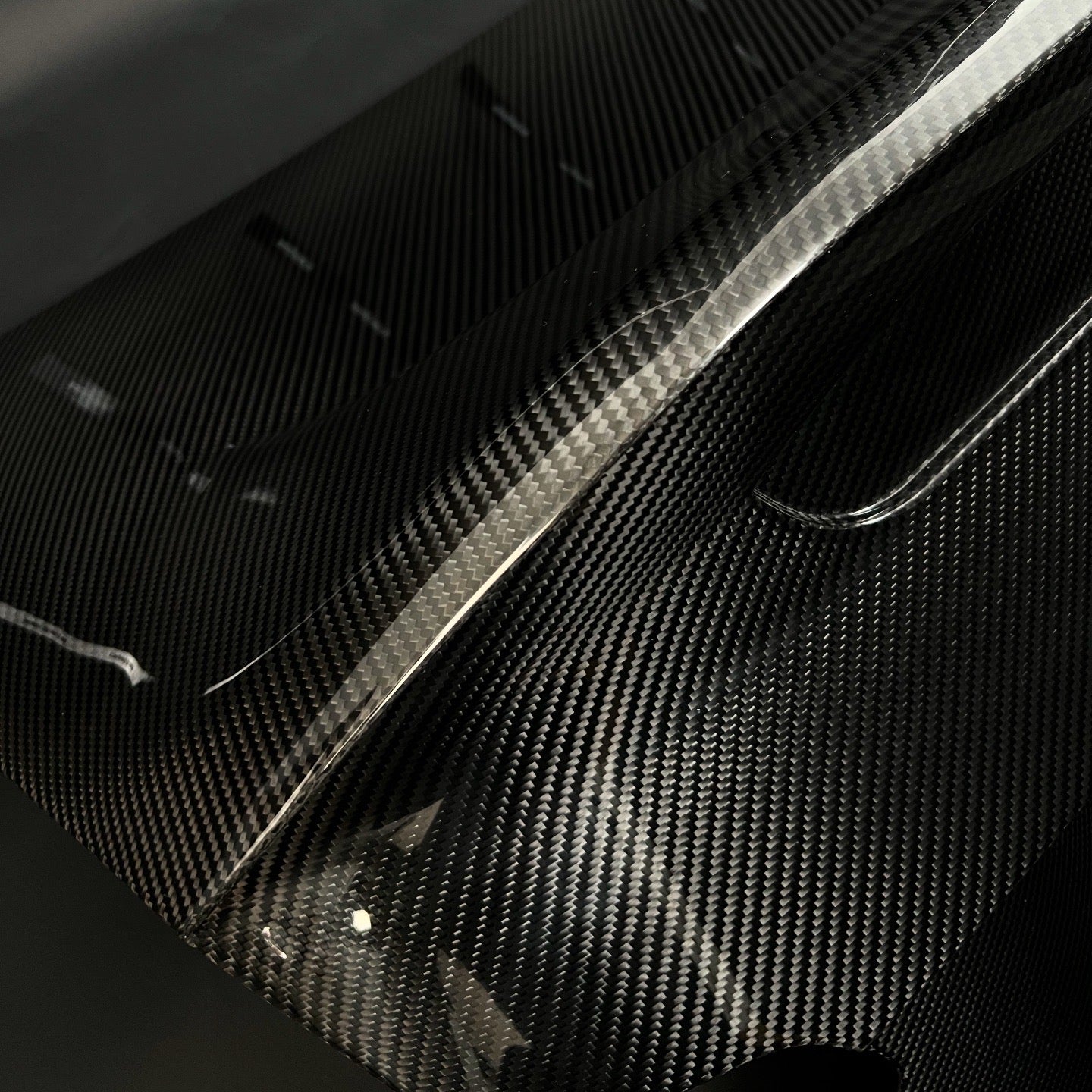
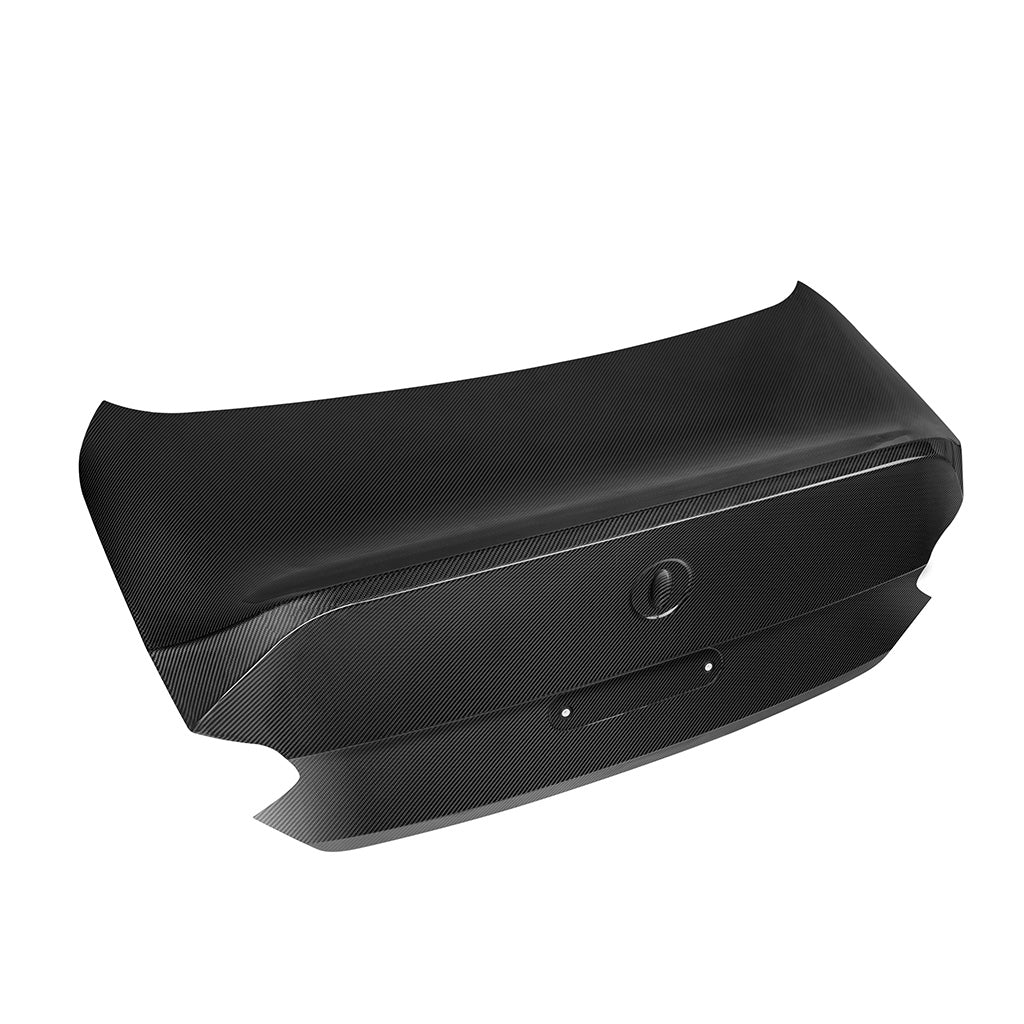
We began with one marque and one obsession: BMW M, and the large carbon fiber panels where flaws have nowhere to hide, the trunk lid, the hood. Surfaces that wide expose everything, so we earned our name on what most shops rush: the control of the seams, the command of the tooling behind them, and a final inspection that does not bend.
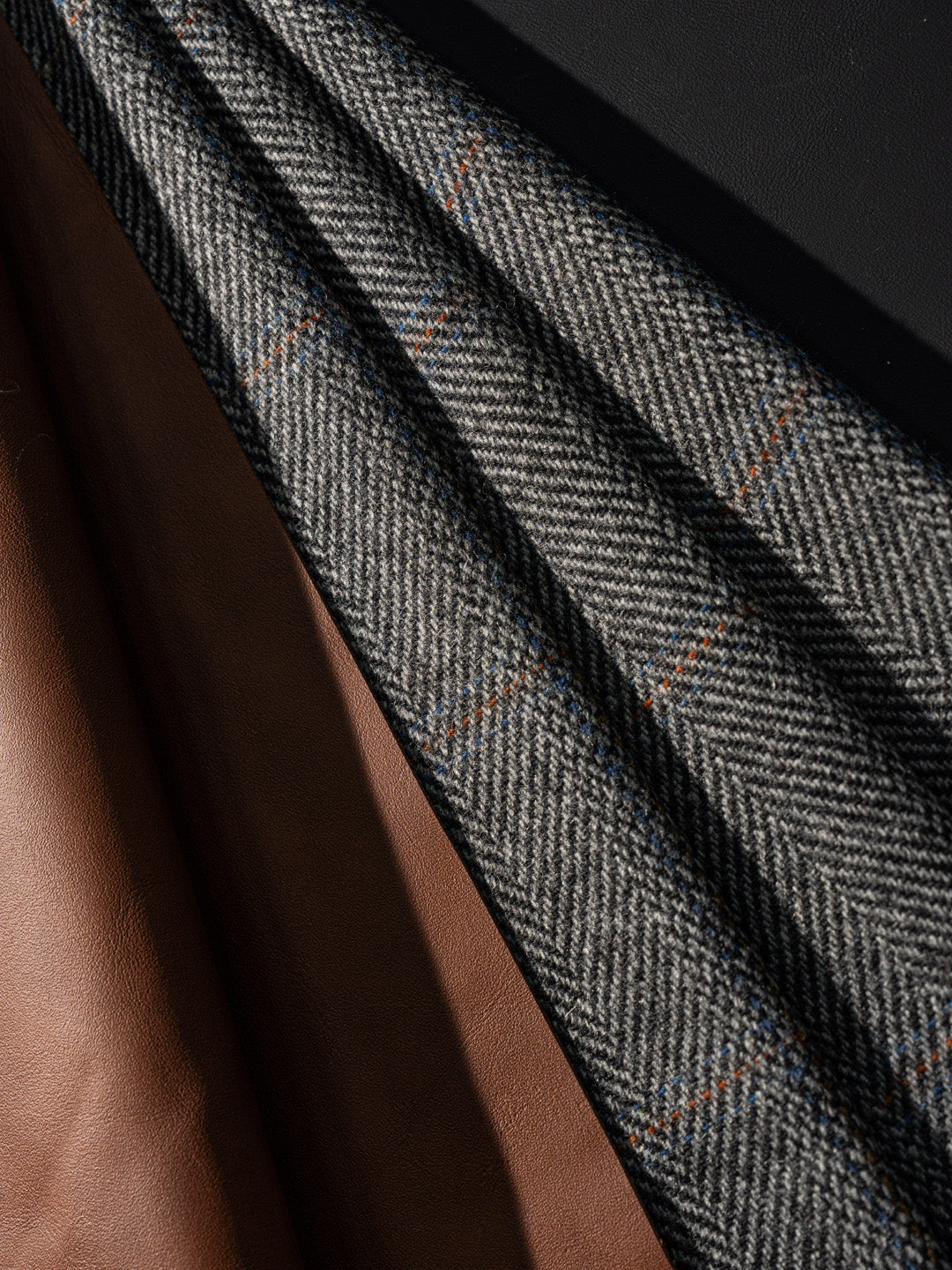
A chance opening brought us into carbon bucket seats, and our customers' requests, and their trust, carried us the rest of the way in. We brought the craft system we already had, and the same study of detail, into the cockpit. There we hold the leather and interior materials to the same standard as the carbon, so what you see on the exterior continues, without a break, all the way inside.
What started on BMW M now extends to Audi RS and Porsche. The catalog stays short on purpose. The standard does not move.
What we believe
Two carbon hoods can look identical in a photo and sell for $800 or $2,500. Most shops would rather you didn't ask why. We would rather tell you.
Whether a finished carbon part feels premium in your hands comes down to two things, and almost nothing else.
Fit. How tight the panel gaps are, and whether it holds shape over time. That is decided in production, by the mold and the cure, long before it ships. Get it wrong and it never sits right on the car.
Finish. The flatness of the surface and the depth of the clear, which come from hours of hand leveling and a disciplined coat, not a quick spray. Skip it and you get orange peel, haze, and yellowing within a season or two.
It is rarely spelled out, because once you can see where the money goes, the difference is hard to unsee. So we put it on the table: what your price buys, and why two parts that look the same are not the same. You should know exactly what you are paying for, before you pay for it.
Read the full breakdown: the real engineering behind a premium carbon part, mold to clear coat.
Quality over the clock
The hardest moment in this work is not making the part. It is the day a part fails our own check after a customer has already waited a month.
The easy thing is to ship it. The deadline has passed, the customer is waiting, and the flaw is usually one only we would notice. We don't ship it. We email instead: this one did not meet our standard, so we are not sending it. That can mean more delay, a real cost to us, sometimes a canceled order.
We take that trade every time. We would rather lose the sale than have you open the box and feel, even slightly, that you settled. When the clock is against us, quality still comes first. That is the part of the work you can't see in a photo, and it is the part that decides whether you come back.
How we work with you
However you first reached us, and on whatever channel you prefer, that is where we keep talking. One dedicated contact follows your order from the first question to the day it arrives, so you are never re-explaining yourself to someone new.
That holds whether you are tracking an exterior part or commissioning a fully bespoke interior seat. We see it through alongside you, and we come back to confirm the details as they come up, so the piece you finally receive is the one you wanted, not our best guess at it.
Why this site exists
The choice in front of a carbon buyer today is wide, and most of it is hard to tell apart. More sellers every year, more claims, and little underneath them to judge by.
This is why our list is short. We offer only what we can answer for, end to end, from the carbon on the outside to the leather in the cockpit, because that is the only ground on which we will make a promise. What we cannot hold to that standard, we leave to others.
We would rather be trusted completely for a few things than known loosely for many.