



When shaping pipes or tubes, two main methods are used: U-bend vs mandrel bend. A U-bend creates a simple U-shaped curve, often utilized for basic direction changes. In contrast, mandrel bending employs a mandrel to maintain the tube’s shape, ensuring that the tube remains strong and precise during the bending process.
The primary difference between U-bend vs mandrel bend lies in their purpose. U-bends concentrate on forming a shape, while mandrel bends prioritize accuracy and strength. Understanding these methods will help you choose the best one for your project.
Key Takeaways
-
U-bending makes U-shaped curves, great for simple pipe turns.
-
Mandrel bending keeps the pipe strong and shaped during bends.
-
Use U-bending for cheap, easy jobs; pick mandrel bending for tough, precise work.
-
Think about the material and bend accuracy before choosing a method.
-
Ask experts to help you pick the right bending method to avoid mistakes.
U-Bend: Process, Advantages, and Applications
What Is a U-Bend?
A U-bend is a way to bend pipes into a U-shape. It is often used to change the direction of liquids or gases in plumbing, HVAC, or industrial systems. This method focuses on shaping the pipe while keeping it strong.
Important details about U-bends include:
-
Bending radius: Must be larger than the pipe’s thickness to avoid cracks.
-
Bending angle: Adjusted for spring-back to get the right shape.
-
Bending force: Depends on thickness, radius, and length to ensure quality.
These steps help make sure the U-bend process is strong and reliable.
How U-Bending Works
The U-bending process shapes a pipe into a U-curve using special machines. A press or bending machine pushes the pipe into the right shape. Careful calculations are needed to avoid mistakes and ensure accuracy.
|
Metric |
Description |
|---|---|
|
Bending Force |
Machine pressure adjusted for material thickness and strength. |
|
Bending Length |
Maximum pipe length bent at once for even results. |
|
Cylinder Stroke |
Up-and-down movement range for handling thicker materials. |
|
Speed of Upper Beam |
Adjustable speed for better control and fewer mistakes. |
Modern machines often use CNC systems for better precision. These systems let workers program the machine for consistent results.
Advantages of U-Bend
U-bends have many benefits, making them useful in different industries:
|
Advantage |
Description |
|---|---|
|
Versatility |
Works with many materials and thicknesses in various fields. |
|
Precision |
Gives accurate results with advanced CNC machines. |
|
Cost Efficiency |
Reduces waste and works for both small and large projects. |
This method is great for simple and effective pipe bending. Its low cost and flexibility make it a favorite for many uses.
Disadvantages of U-Bend
Although U-bending is flexible and cost-effective, it has downsides. These issues can limit its use in certain industries or projects.
|
Limitation/Disadvantage |
Description |
|---|---|
|
Needs trained workers |
Operating and fixing machines require special skills. |
|
Not ideal for small jobs |
Costs too much for low production amounts. |
|
Can’t handle heavy-duty bending |
Not strong enough for very tough materials. |
|
Expensive to start compared to simpler machines |
Costs more upfront than basic press brakes. |
|
Complex setup raises training and setup costs |
More training and setup time increases expenses. |
|
Needs expert knowledge for use and care |
Workers must know how to run and maintain it well. |
U-bending machines need skilled workers to program and fix them. This can make it costly, especially for small projects. It also doesn’t work well for bending very strong materials. The machines cost more to buy than simpler options like press brakes.
If you’re thinking about U-bending, remember it’s complex. You’ll need to spend on training and setup, especially if your team is new to this method.
Applications of U-Bend
U-bending is important in many industries because it makes accurate bends. Different fields use it for its unique benefits.
-
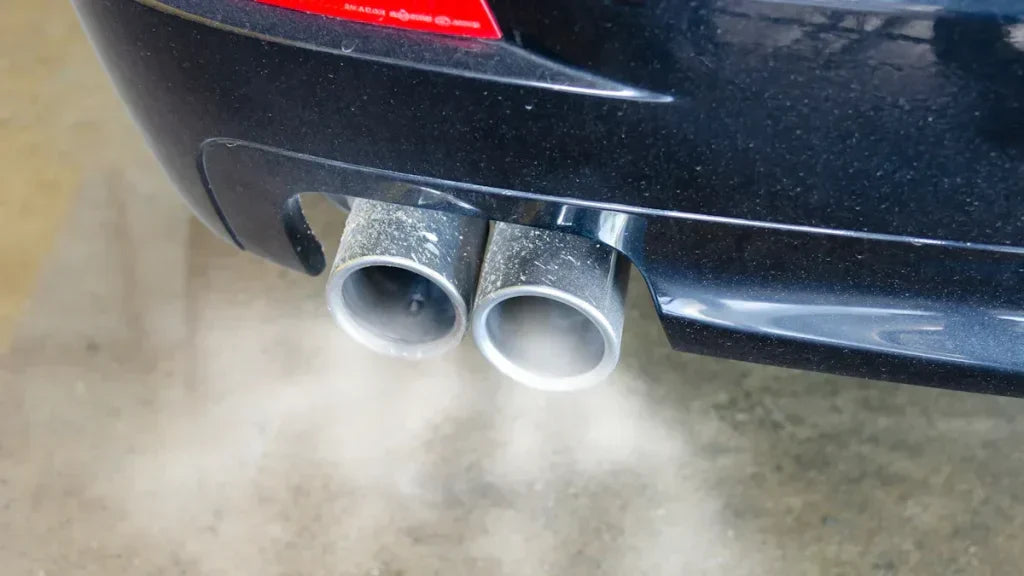
Car makers use U-bending for exhaust pipes and fluid systems.
-
Airplane builders use it for lightweight, strong parts for safety.
-
Construction and factories use it for strong, long-lasting pipes.
These examples show how useful U-bending is. Whether you need strong parts for safety or tough pipes for heavy work, U-bending can help. Its flexibility makes it a great choice for many jobs.
Mandrel Bending: Process, Advantages, and Applications
What Is Mandrel Bending?
Mandrel bending is a way to bend pipes smoothly. It keeps the pipe’s inside size the same while bending. A mandrel, which is a flexible tool, supports the pipe’s inside during the process. This stops the pipe from losing its shape or getting damaged. Mandrel bending makes strong pipes with even thickness. Industries like cars, planes, and buildings use this method for making tough and useful parts.
This bending method is great because it avoids mistakes. It also helps pipes work better by keeping them smooth inside. Whether you need exhaust pipes, airplane parts, or tricky pipe systems, mandrel bending gives dependable results.
How Mandrel Bending Works
Mandrel bending uses different tools to make accurate bends. Here’s how it works:
|
Tool |
What It Does |
|---|---|
|
Mandrel |
Goes inside the pipe to keep its shape. |
|
Wiper Dies |
Press on the outside to stop dents or bumps. |
|
Pressure Dies |
Push on the pipe to make the bend. |
|
Clamps |
Hold the pipe steady while bending. |
|
Solid Mandrels |
Strong tools for small pipes. |
|
Ball Mandrels |
Round tools for big pipes, spreading force evenly. |
|
Plug Mandrels |
Flexible tools for different pipe sizes. |
|
Segmented Mandrels |
Adjustable tools for special bending needs. |
First, clamps hold the pipe still. Then, the mandrel goes inside to support it. Wiper and pressure dies shape the bend carefully. This keeps the pipe strong and looking good.
Advantages of Mandrel Bending
Mandrel bending has many benefits that make it popular:
-
Keeps the pipe’s inside size the same.
-
Stops the pipe from breaking or losing its shape.
-
Makes smooth bends with even thickness.
-
Saves time by needing fewer fixes after bending.
-
Helps workers make fewer mistakes during production.
This method is perfect for jobs needing strong and exact bends. Car makers use it for exhaust pipes that flow well. Plane builders use it for light but strong parts. Builders use it for pipe systems that last a long time.
Mandrel bending gives steady, high-quality results for tough projects.
Disadvantages of Mandrel Bending
Mandrel bending is accurate and strong but has some downsides:
-
The machines cost a lot to buy, which can be hard for small businesses.
-
Skilled workers are needed to run the machines, but they can be hard to find.
-
Setting up the mandrel and dies takes time, slowing down work.
-
Keeping the machines in good shape costs a lot, especially for special jobs.
-
Using a mandrel makes bending slower than simpler methods.
These problems make mandrel bending less ideal for tight budgets or fast jobs. But if your project needs accuracy and strength, it might still be worth it.
Applications of Mandrel Bending
Mandrel bending is used in many industries because it makes strong, exact bends. Here’s how different fields use it:
|
Industry |
Uses |
|---|---|
|
Automotive |
Making exhaust systems, hydraulic lines, and lightweight car parts. |
|
Aerospace |
Building airplane parts like fuel lines and strong structures. |
|
Shipbuilding |
Making pipes and parts needed for building ships. |
|
Construction |
Bending pipes and materials for building projects. |
|
Furniture |
Creating furniture with smooth and stylish bends. |
|
Recreational Vehicles |
Making RV parts that need careful bending. |
|
Industrial Equipment |
Helping with tools and machines that need exact bends. |
These examples show how useful mandrel bending is. From car parts to shipbuilding, it ensures strong and reliable results.
U-Bend vs Mandrel Bend: Key Differences
Precision and Strength
Mandrel bending is better for precise and smooth curves. A mandrel inside the tube keeps its shape during bending. This stops wrinkles or flattening, making the curve even and strong. For projects needing high accuracy, like cars or airplanes, mandrel bending works best.
U-bends are simpler and focus on basic shapes. They work well for easy tasks but may not stay as strong. Thin materials can sometimes bend unevenly with U-bends, causing small flaws.
Cost and Difficulty
U-bends cost less and use simpler machines. They need less time to set up, making them good for big, basic jobs. If you have a tight budget, U-bending is a smart choice.
Mandrel bending costs more because it uses advanced tools. Skilled workers are needed, and setup takes longer. This raises costs, but the high quality and precision make it worth it for important projects.
Best Uses
The choice depends on what you need. U-bends are great for simple jobs like plumbing or HVAC systems. They are good for industries that care more about saving money than being exact.
Mandrel bending is perfect for smooth, accurate curves. It’s used in cars and planes for exhaust pipes, fuel lines, and other strong parts. If your project needs top-quality bending, mandrel bending is the best option.
Durability and Longevity
When picking between U-bends and mandrel bends, think about how long they last. Durability is important to decide which method fits your project.
U-bends work well for simple jobs. They are good for pipes in low-stress systems like plumbing or HVAC. But they might not last in high-pressure or hot environments. Over time, small flaws from bending can weaken the pipe. These flaws might cause cracks or leaks, shortening the pipe’s life.
Mandrel bends are stronger and last longer. The mandrel keeps the pipe’s shape during bending, avoiding damage. This method makes bends with even thickness, helping the pipe stay strong. Mandrel bends are great for tough jobs like car exhausts or industrial pipelines. They handle extreme conditions better, making them a top choice for long-term use.
For heavy-duty projects or harsh conditions, mandrel bends are better. For easier tasks, U-bends are cheaper but may wear out faster. Knowing the durability of each type helps you choose the right one for your needs.
Choosing Between U-Bend and Mandrel Bending
Factors to Consider
When picking between U-bend and mandrel bending, think about a few things. These include the material type, how exact the bend needs to be, and the cost. Each method works better for certain projects based on its strengths and weaknesses.
The table below shows the main differences to help you decide:
|
Factor |
Mandrel Bending |
U-Bending |
|---|---|---|
|
Tolerance for Inside Diameter |
Best for keeping inside size the same |
Inside size may vary |
|
Speed and Cost |
Slower and costs more |
Quicker and costs less |
|
Material and Thickness |
Great for thin or delicate materials |
Works well with thicker materials |
|
Bend Angle and Radius |
Can make many different angles |
Limited angle options |
If your project needs smooth and exact bends or uses delicate materials, mandrel bending is the best choice. For easier jobs with thicker materials, U-bending is quicker and saves money.
Picking between U-bend and mandrel bend depends on your project. U-bends are good for simple shapes and saving money. Mandrel bending is better for precise and tough jobs. Think about the material, cost, and accuracy you need before choosing.
Asking experts can help you pick the right method. Their advice prevents errors and ensures the best results for your project.




Share:
Essential Tips for Tackling Dry Carbon Fiber Manufacturing Challenges
Why Hybrid Cars and Performance Exhausts Don’t Always Mix