

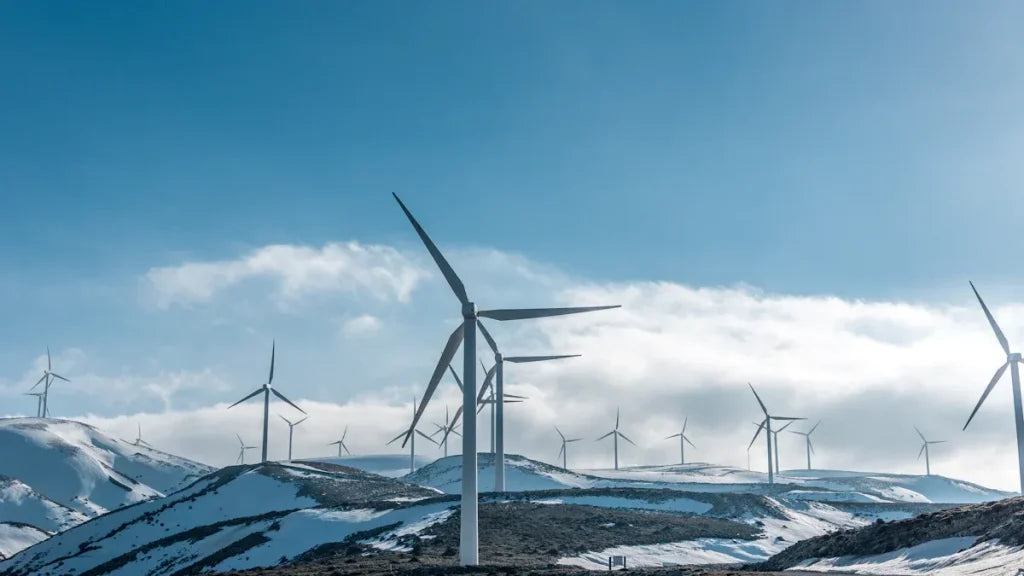
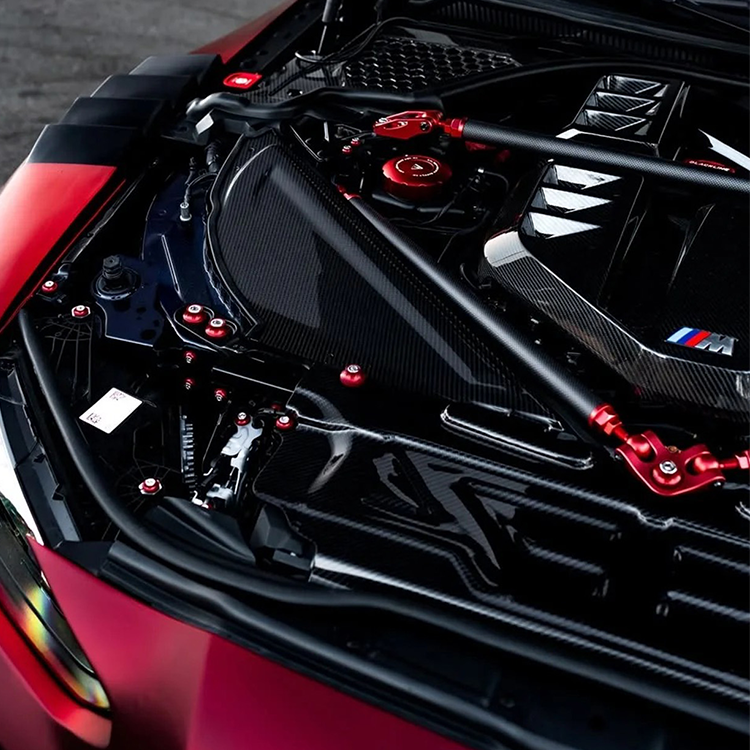
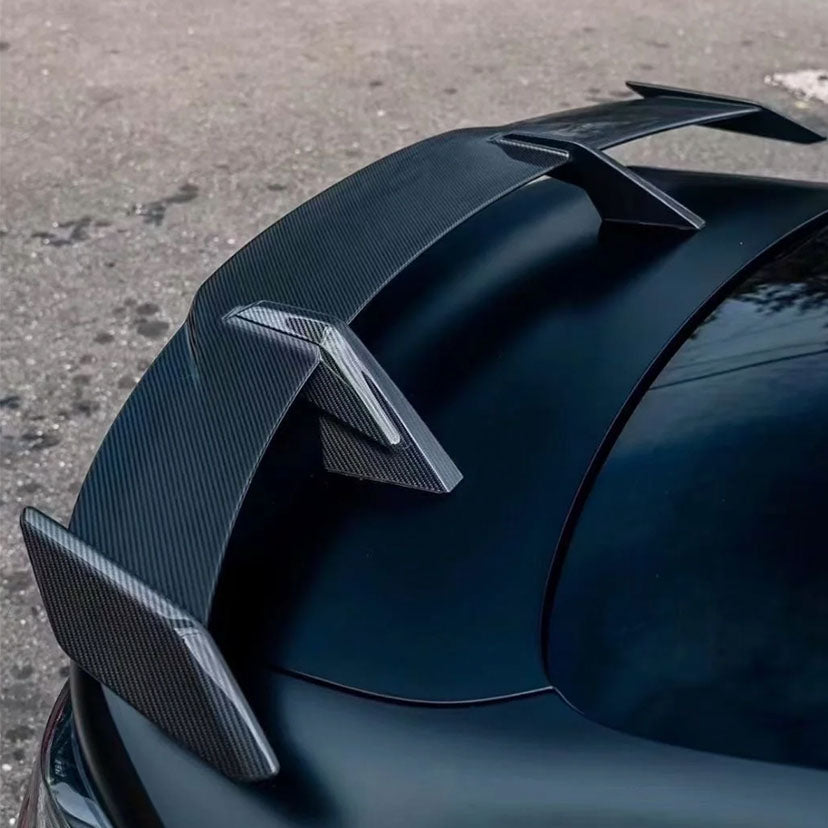
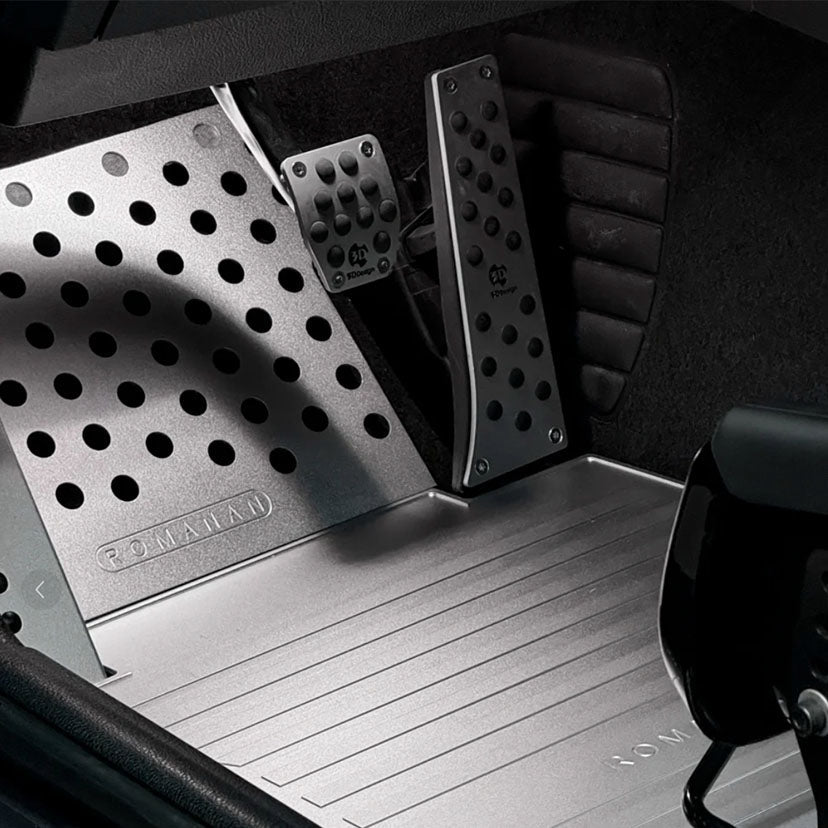

Innovative Hybrid Engine Solutions are transforming the car industry. By 2025, these solutions will be crucial for travel. Hybrids will gain popularity as electric cars (EVs) experience slower growth. For instance, EVs might reach 18.1 million in 2025, but their growth could decelerate to 11%. Major car manufacturers are producing fewer EVs and shifting their focus to hybrids. Hybrid engines combine traditional engines with EVs, resulting in greener and more efficient vehicles. Consequently, Innovative Hybrid Engine Solutions are becoming essential to the future of cars.
Key Takeaways
-
Hybrid engines use gas and electricity, helping the environment.
-
New batteries, like solid-state ones, charge quickly and last longer.
-
Governments want hybrids to reduce pollution with stricter rules.
-
Lighter materials in hybrids save fuel and improve driving.
-
Hybrids are becoming popular, offering cheaper and better choices.
The Current Landscape of Hybrid Technologies
Types of Hybrid Engine Systems
Parallel Hybrid Systems
Parallel hybrid systems are popular because they work efficiently. These systems let the engine power the car and charge the battery at the same time. This setup saves fuel and lowers pollution. Many well-known cars use this system as it mixes good performance with eco-friendliness.
Series Hybrid Systems
Series hybrid systems work in a unique way. Here, the engine makes electricity to run the motor, which moves the wheels. The engine and wheels are not directly connected, making the ride smoother. This system is great for city driving with lots of stops and starts.
Plug-in Hybrid Systems
Plug-in hybrid systems are special because they mostly use electricity. They have bigger batteries that you can charge from an outlet, allowing short trips on electric power alone. As electric cars become more popular, plug-in hybrids are a great middle step for people moving away from gas-only cars.
The Role of Hybrid Engines in the Automotive Transition
Bridging Internal Combustion and Electric Vehicles
Hybrid cars help us switch from gas engines to electric cars. They mix gas engines with electric motors, making it easier for people to adjust to new car technologies. Better batteries in hybrids mean less need for public chargers, which is handy for drivers.
Enhancing Fuel Economy and Reducing Emissions
Hybrid engines save fuel and cut pollution by smartly switching between the engine and battery. Features like regenerative braking turn movement into electricity, helping the engine when speeding up. This makes hybrids efficient and supports global goals to fight climate change.
Did you know? The hybrid car market might grow from USD 98.9 billion in 2023 to USD 654.4 billion by 2033, with a yearly growth rate of 20.8%. This shows how more people want eco-friendly cars.
Key Innovations in Hybrid Engine Solutions
Advancements in Battery Technologies
Solid-State Batteries and Their Benefits
Solid-state batteries are a big step forward in technology. Unlike regular lithium-ion batteries, they use a solid material inside. This makes them safer and more efficient. These batteries charge quickly and hold more energy, perfect for hybrids and EVs. They let cars go farther and need less charging time. Their smaller size also helps make lighter cars, which perform better.
-
Main benefits of solid-state batteries:
-
Quicker charging.
-
More energy for longer trips.
-
Safer with less chance of overheating.
-
Faster Charging and Higher Energy Density
New battery designs now charge faster and store more energy. For example, lithium-sulfur batteries with graphene last longer and work better. Enhanced Flooded Batteries (EFB) and Absorbent Glass Mat (AGM) batteries also last longer and charge well. These improvements help hybrids meet the need for better performance and reliability.
Did you know? New hybrid batteries are 16% more powerful, making cars accelerate like EVs.
Lightweight Materials for Hybrid Vehicles
Carbon Fiber and Aluminum Alloys
Materials like carbon fiber and aluminum are changing hybrid car designs. These materials make cars lighter, which boosts fuel efficiency and performance. Using them helps create strong, eco-friendly vehicles.
Impact on Performance and Efficiency
Lighter cars need less energy to move, saving fuel. This means fewer gas station visits and less pollution. Lighter materials also improve speed and handling, making driving more fun.
Energy Recovery and Regenerative Systems
Regenerative Braking Enhancements
Regenerative braking saves energy that’s usually lost when braking. This energy turns into electricity to recharge the battery. New systems now save even more energy, helping hybrids drive farther.
Thermal Energy Recovery Technologies
Thermal energy recovery uses heat from the engine and exhaust. This heat turns into energy, making the car more efficient. These systems help hybrids use less fuel and produce fewer emissions.
-
Benefits of energy recovery systems:
-
Longer driving range.
-
Better fuel savings.
-
Less harm to the environment.
-
Fun Fact: Regenerative braking now saves more energy, making hybrids even better.
Reasons Behind Hybrid Engine Growth
Rules and Environmental Needs
Global Goals for Less Carbon
Governments want to cut carbon to fight climate change. These goals push people to use hybrids and electric cars. For example:
-
North America leads with rules and love for green cars.
-
Europe has strict rules and gives money to cut pollution.
-
Tax breaks worldwide make hybrids more popular.
The EU plans to lower new car CO2 to 93.6 grams per kilometer by 2025. Car companies must meet these rules to avoid fines and stay in business. These rules make hybrids important for cleaner travel.
Tougher Pollution Rules
New pollution rules are changing how cars are made. The EU’s 2025 CO2 goals and US fuel rules push carmakers to improve. As people care more about pollution, rules get stricter. This forces companies to use hybrids and electric cars for cleaner travel.
What Buyers Want and Market Changes
More Interest in Saving Fuel
More people now pick hybrids to save gas. The hybrid market may grow from USD 261.51 billion in 2025 to USD 478.19 billion by 2030. This shows people want greener travel. Tax breaks also help buyers choose hybrids.
Need for Powerful Hybrids
People want hybrids that save gas and perform well. In 2023, plug-in hybrid sales hit 4.2 million, up 53% from 2022. This shows more people like hybrids that mix eco-friendly features with great driving.
Focus on Being Green
Cutting Pollution
Hybrids help the planet by cutting pollution. Features like braking that saves energy and stop/start systems save gas and lower CO2. These make hybrids key for greener travel.
Helping Renewable Energy
Hybrids work well with renewable energy. Better batteries and energy-saving systems improve performance and range. These features match global green goals, making hybrids important for clean energy.
Challenges and Opportunities in Hybrid Engine Development
Overcoming Cost Barriers
High Manufacturing Costs
Making hybrid engines costs more than regular cars. They need more parts and careful assembly, which takes extra time. Workers also need special training to build them. Meeting strict safety rules adds to the expense. Materials like lithium and cobalt, used in batteries, are hard to find. This makes production costly and harder to expand.
-
Main challenges in making hybrids:
-
Complicated building steps.
-
Workers need special skills.
-
Not enough materials like lithium and cobalt.
-
Strategies for Cost Reduction
Car companies are finding ways to lower costs. Brands like BMW and Toyota changed their factories to make hybrids. Governments help by giving money and tax breaks to buyers. These savings make hybrids more affordable. Research is also helping create better ways to build hybrids and use fewer rare materials.
Infrastructure and Market Readiness
Expanding Charging Infrastructure
Plug-in hybrids need more charging stations. In 2023, there were 3.9 million public chargers worldwide, up 40% from 2022. China has the most, with 70% of all chargers. Europe has 725,000 chargers, growing by 35%. Governments and companies are adding more stations to help drivers feel confident about charging. This growth is key for hybrids and electric cars.
Increasing Consumer Awareness
People need to learn more about hybrids. Many don’t know hybrids save gas and cut pollution. Ads and programs can teach them. Showing how hybrids save money and help the planet can make more people want them.
Market Growth Potential
Diversifying Hybrid Offerings Across Segments
The hybrid market is growing fast. By 2030, it could grow from USD 261.51 billion to USD 478.19 billion. Plug-in hybrids are popular because they use electricity for short trips and gas for long ones. This variety means carmakers can attract different types of buyers, from eco-friendly drivers to those who want powerful cars.
Opportunities in Emerging Markets
New markets are great for hybrid cars. In Asia-Pacific, governments support green transportation. For example, China uses hybrid buses for public transport. Countries like Brazil, India, and Mexico are also using hybrids. Stricter pollution rules, tax breaks, and rising fuel prices make hybrids a smart choice in these areas.
EV Trends for 2025 and the Future of Hybrid Technologies
The Rise of Plug-in Hybrids
Why Plug-in Hybrids Are Popular
Plug-in hybrids (PHEVs) are loved by many drivers. They use electricity for short trips and gas for longer ones. This mix saves money on fuel and lowers pollution. In 2023, 4.2 million PHEVs were sold worldwide. By 2025, production may reach 5.4 million units. This shows people want cars that are eco-friendly and practical. More charging stations and government help make PHEVs even more attractive.
Better Batteries for Plug-in Hybrids
New battery technology is improving PHEVs. Solid-state batteries charge faster and store more energy. These upgrades let you drive farther on electric power. Car companies now offer models with longer electric ranges. As battery prices drop, PHEVs are getting cheaper. This makes them a great choice for people who care about the environment.
Strong Hybrid Electric Vehicles
Affordable Options for Car Makers
Hybrid electric vehicles (HEVs) are cheaper to make for car companies. They use less fuel and cost less to run, which helps buyers save money. New energy systems and lighter materials make HEVs better and still affordable to produce. By 2025, profits from HEVs might grow by 21.1%. This means more budget-friendly and efficient cars for you.
Helping Meet Pollution Rules
HEVs help carmakers follow strict pollution rules. In 2023, 85.9% of hybrid sales were passenger cars, showing their popularity. By 2025, HEVs will grow more with better batteries and energy-saving systems. These features make HEVs a smart and green choice for drivers.
The Role of Hybrid Engines in Vehicle Electrification
Helping Move to Electric Cars
Hybrid engines help people switch from gas cars to electric ones. They give you the benefits of electric cars without worrying about running out of power. As EVs grow slowly, hybrids will stay important in 2025.
Hybrids as a Step Toward the Future
Hybrids are a step toward fully electric cars. They mix electric power with gas engines for efficiency and reliability. As EVs improve, hybrids will still play a big role. They help cut pollution and support cleaner transportation worldwide.
New hybrid engine designs are changing how we travel. These engines save more fuel, cost less to run, and work better thanks to new features like energy-saving systems and brakes that reuse energy. Cheaper lithium-ion batteries and more charging stations make hybrids easier to use every day.
-
Reasons why hybrids are becoming popular:
-
People care more about the environment and rising gas prices.
-
Car companies team up with tech firms for better designs.
-
Growing cities in new markets boost hybrid sales.
-
The hybrid car market might grow from $396.04 billion in 2025 to $3,177.38 billion by 2034, with a yearly growth rate of 26.32%. This shows why investing in hybrids is important. By using these new technologies, you can help the planet and enjoy modern, eco-friendly cars.








Share:
BMW G80 M3 G82 M4 Owners Love AC Style Front Lips for Performance
BMW G80 M3 G82 M4 Front Lips Solving Aerodynamic Challenges in 2025