




Have you ever wondered why some cars feel more stable and responsive than others? The secret often lies in chassis stiffening. By reducing unwanted flex, it keeps your vehicle’s structure rigid, which prevents camber changes during sharp turns. This means better handling and stability when you need it most. Subframe connectors and braces also play a big role here, enhancing rigidity for quicker steering response and less lateral movement. Plus, stiffer bushings cut down on deflection, giving you precise handling and predictable steering. It’s all about making your car feel like an extension of you.
Key Takeaways
-
Chassis stiffening stops extra bending, making turns smoother and safer.
-
Adding parts like strut braces and subframe connectors makes the car stronger.
-
A stronger chassis keeps weight balanced, reducing sliding or skidding in turns.
-
Better alignment from stiffening helps tires last longer and work better.
-
Chassis stiffening helps all drivers feel more in control and confident.
Reduced Flexing
Understanding chassis flex
Chassis flex happens when your vehicle’s frame bends or twists under stress. Think of it as an unpredictable “fifth spring” that works against your car’s suspension. This flex can delay steering response and reduce cornering ability, making your car feel less stable. Common causes include flex in the strut towers, distortion in suspension bushings, and the overall design of unibody chassis. These weak points allow movement that disrupts the balance and precision of your vehicle, especially during sharp turns or sudden maneuvers.
How chassis stiffening reduces unwanted movement
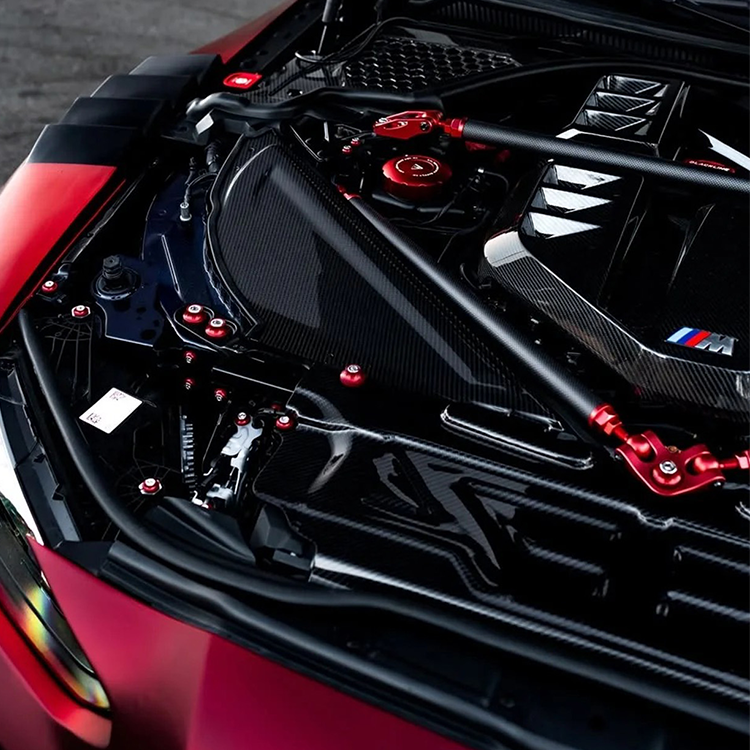
Chassis stiffening strengthens your car’s structure, reducing unwanted flex and movement. By adding components like strut tower braces or subframe connectors, you create a more rigid foundation. For example, a strut tower brace connects the left and right strut towers, minimizing flex during turns. Subframe connectors tie the front and rear subframes together, increasing stiffness in unibody vehicles. You can also use under-chassis braces or weld-in roll cages for even greater rigidity. These upgrades ensure your suspension works as intended, keeping your tires firmly planted on the road.
Benefits for cornering and stability
A stiffer chassis provides a stable platform for your suspension, which directly improves cornering and stability. When your chassis flexes, it wastes energy that should go into steering and handling. This energy loss can delay your steering response and make cornering feel less precise. By minimizing flex, chassis stiffening helps your suspension maintain proper alignment and tire contact with the road. This means sharper turns, better control, and a safer driving experience. Plus, with reduced unpredictability, you’ll feel more confident behind the wheel.
Improved Suspension Performance
The role of suspension in handling
Your car’s suspension system plays a vital role in how it handles on the road. It’s responsible for keeping all four wheels in contact with the ground, even when you’re cornering or driving over uneven terrain. At high speeds, the suspension reduces vibrations and prevents excessive movement, helping you maintain control. It also stabilizes your vehicle during acceleration and braking, ensuring a smoother and safer ride. Without a well-functioning suspension, your car would feel unpredictable, especially during sharp turns or sudden maneuvers.
How chassis stiffening enhances suspension efficiency
Chassis stiffening works hand-in-hand with your suspension to improve its efficiency. When your chassis flexes, it interferes with the suspension’s ability to do its job. By increasing chassis rigidity, you create a stable foundation that allows the suspension to perform as intended. For example, stiffening reduces unwanted camber changes during aggressive driving, ensuring your tires stay properly aligned. It also minimizes wasted lateral movement, giving you quicker steering response and better handling performance. With a stiffer chassis, you’ll notice increased road feel, which makes your car more predictable and enjoyable to drive.
Impact on grip, traction, and body roll
Chassis stiffening directly improves grip and traction by reducing flex and distortion during cornering. This ensures that energy from your tires transfers more effectively to the road, maximizing stability. Modifications like strut tower braces and subframe connectors can significantly enhance traction, especially in high-performance scenarios. You’ll also experience less body roll, which means your car stays flatter during turns. Drivers often report better lap times and improved chassis behavior after stiffening, highlighting its impact on performance. These changes not only lead to better performance but also contribute to increased safety, giving you more confidence behind the wheel.
Better Weight Distribution
Importance of weight balance in handling
Weight balance plays a huge role in how your car handles. When weight is evenly distributed across all four wheels, your vehicle feels more stable and predictable. This balance ensures that each tire gets the right amount of grip, which is crucial for smooth cornering and braking. Uneven weight distribution, on the other hand, can lead to handling issues. For example, too much weight at the front can cause understeer, where the car resists turning. Too much weight at the rear can result in oversteer, where the back end swings out during a turn. Achieving proper weight balance is key to keeping your car responsive and safe.
How chassis stiffening improves weight distribution
Chassis stiffening helps improve weight distribution by reducing flex and maintaining structural integrity. When your chassis flexes, it shifts weight unpredictably, which can throw off your car’s balance. By stiffening the chassis, you create a more stable platform that evenly distributes weight during acceleration, braking, and cornering. For instance, adding braces or connectors strengthens the frame, ensuring that weight transfer happens smoothly. This keeps your tires planted and your car balanced, even during aggressive driving. With better weight distribution, you’ll notice improved handling and a more controlled driving experience.
Benefits for understeer and oversteer control
Chassis stiffening can significantly reduce both understeer and oversteer, making your car easier to handle. Here’s how it helps:
-
It enhances stability and responsiveness during cornering, keeping your tires in better contact with the road.
-
By minimizing flex, it allows for more precise steering input and improved lateral grip, which balances handling characteristics.
-
Adding a rear side-to-side brace bar can reduce understeer, similar to the effect of a rear anti-sway bar.
-
Stiffening the rear chassis improves its response to lateral loading, preventing excessive rear swing during turns.
These benefits make your car feel more predictable, giving you greater confidence whether you’re navigating tight corners or cruising on the highway.
Enhanced Feedback and Predictability
Improved steering feedback with a stiffer chassis
A stiffer chassis gives you better steering feedback, making your car feel more connected to the road. When the chassis flexes, it can interfere with the suspension’s geometry, which reduces the precision of your steering. By stiffening the chassis, you eliminate much of this unwanted movement. This allows the suspension to work as intended, giving you a more direct and responsive feel when you turn the wheel.
-
Drivers often report noticeable improvements in handling after stiffening their chassis. The enhanced feedback makes it easier to predict how the car will behave in different situations.
-
A rigid chassis also reduces axle twist, which helps your dampers function more effectively. This means you’ll experience sharper and more accurate steering, especially during aggressive driving.
If you’ve ever felt like your car’s steering was vague or unresponsive, chassis stiffening could be the solution you’re looking for.
Consistent handling for better driver confidence
Consistency is key when it comes to handling. A stiffened chassis ensures that your car behaves predictably, no matter the driving conditions. When the chassis flexes, it can waste energy and cause unpredictable changes in handling. This can make your car feel unstable, especially during cornering or sudden maneuvers.
By reducing flex, chassis stiffening keeps your suspension geometry intact. This minimizes unwanted toe or camber changes, giving you more precise control. Whether you’re navigating tight corners or cruising on the highway, you’ll notice a smoother and more stable ride. With consistent handling, you’ll feel more confident behind the wheel, knowing exactly how your car will respond.
Applications for daily driving and performance
Chassis stiffening isn’t just for race cars. It offers benefits for both daily drivers and performance enthusiasts. However, the impact can vary depending on how you use your vehicle.
-
Daily Driving: You’ll enjoy a greater sense of control and stability, especially during highway driving or emergency maneuvers. But keep in mind, a stiffer chassis can transmit more road imperfections, which might reduce comfort.
-
Performance Driving: For enthusiasts, the improved handling and responsiveness are worth the trade-off in comfort. A stiffened chassis helps you push your car to its limits with confidence.
|
Driving Type |
Benefits of Chassis Stiffening |
Drawbacks of Chassis Stiffening |
|---|---|---|
|
Daily Driving |
Greater feel of the road |
Transmits road imperfections, reducing comfort |
|
Performance Driving |
Improved handling and responsiveness |
May sacrifice ride comfort for enhanced performance |
Whether you’re commuting or hitting the track, chassis stiffening can transform your driving experience. It’s all about finding the right balance for your needs.
Better Alignment Retention
How alignment affects vehicle performance
Alignment plays a huge role in how your car handles and performs. When your wheels are properly aligned, your car drives straight, corners predictably, and feels stable. Misalignment, on the other hand, can make your car pull to one side or feel unsteady during turns. It also affects how your tires contact the road, which impacts grip and braking efficiency.
Flex in the chassis acts as an unpredictable fifth spring in the suspension, leading to delayed steering response and reduced cornering ability. This flex can pull steering components, affecting alignment toe settings, which can cause the vehicle to steer itself, reducing driver control and safety.
If you’ve ever felt like your car has a mind of its own, poor alignment might be the culprit. Fixing this issue ensures your car responds to your inputs, giving you better control and a safer driving experience.
Chassis stiffening’s role in maintaining alignment
Chassis stiffening helps keep your alignment in check by reducing unwanted flex. When your chassis twists or bends, it can pull on suspension components, throwing off your alignment settings. A stiffer chassis prevents this movement, ensuring your wheels stay properly aligned even during aggressive driving.
For example, adding braces or subframe connectors strengthens the structure of your car. This rigidity keeps your suspension geometry intact, so your tires maintain consistent contact with the road. Whether you’re cornering hard or cruising on the highway, a stiffened chassis ensures your alignment stays stable, improving both handling and safety.
Benefits for tire wear and suspension longevity
Better alignment retention doesn’t just improve handling—it also saves you money in the long run. Here’s how it helps:
-
A well-maintained suspension system contributes to better handling, which is crucial for tire longevity.
-
Improved braking performance from a functioning suspension ensures better stopping efficiency, reducing tire wear.
-
A properly functioning suspension prevents uneven tire wear, which can lead to premature tire replacement.
By keeping your alignment intact, chassis stiffening reduces the strain on your suspension and tires. This means fewer trips to the mechanic, longer-lasting tires, and a smoother ride overall. It’s a win-win for both performance and maintenance!
Chassis stiffening transforms how your car handles by reducing flex, optimizing suspension performance, and maintaining proper alignment. These improvements make your vehicle more predictable and responsive, giving you better control in every situation.
A stiffer chassis minimizes flex that can lead to unpredictable handling. This stability enhances safety by preventing delayed steering response and maintaining alignment during cornering.
You’ll also enjoy better weight distribution and sharper feedback, making every drive more enjoyable. Whether you’re commuting or pushing your car to its limits, investing in chassis stiffening boosts confidence and ensures a safer, more controlled ride.
-
Key Benefits:
-
Improved handling and stability.
-
Enhanced safety for everyday driving.
-
A more connected and enjoyable driving experience.
-




Share:
Exploring the Impact of Carbon Fiber on the BMW M4 CSL’s Performance
Why Choose Carbon Fiber Pillar Covers for Your Car