

When you think of luxury cars, sustainability might not be the first thing that comes to mind. But that’s changing fast. Eco-friendly carbon fiber BMW upgrades are revolutionizing the way vehicles are designed. These upgrades combine lightweight strength with environmentally friendly materials, making them a game-changer for both performance and sustainability. BMW has embraced this shift by integrating sustainable automotive solutions into its design and production processes, including eco-friendly carbon fiber upgrades. From using secondary raw materials to reducing carbon footprints, BMW is setting new standards for eco-friendly features in the automotive world. This trend reflects a broader movement in luxury vehicles, where materials like vegan leather, recycled plastics, and bio-based composites are becoming the norm. With these innovations, owning an eco-friendly car no longer means compromising on style or performance.
Key Takeaways
-
Lightweight carbon fiber makes BMW cars faster and saves fuel.
-
This carbon fiber is made from recycled and plant-based materials, which is better for the environment than older methods.
-
New ways of making carbon fiber use less energy and create fewer emissions, helping the planet.
-
BMW cars like the i3 and M Series show that luxury and being eco-friendly can go together.
-
Taking care of carbon fiber parts keeps them strong and working well, so your BMW lasts longer.
Understanding Carbon Fiber and Its Eco-Friendly Potential
What Is Carbon Fiber?
Key characteristics: lightweight, strong, and durable.
Carbon fiber is a material that’s revolutionizing industries, especially automotive design. It’s made from thin strands of carbon atoms woven together and reinforced with resin. This combination creates a material that’s incredibly lightweight yet stronger than steel. Its durability makes it perfect for vehicles, as it can withstand wear and tear while improving performance. You’ll often find carbon fiber in high-performance cars because it enhances speed and fuel efficiency.
Differences between traditional and sustainable carbon fiber.
Traditional carbon fiber production relies heavily on fossil fuels and energy-intensive processes, which can leave a significant environmental footprint. Sustainable carbon fiber, on the other hand, focuses on reducing this impact. Manufacturers now use recycled materials or plant-based resources like lignin, a byproduct of paper production, to create bio-based carbon fibers. These innovations not only cut down on fossil fuel dependency but also make the material more eco-friendly.
Eco-Friendly Innovations in Carbon Fiber
Use of recycled and plant-based materials.
One exciting development in carbon fiber technology is the use of renewable resources. For example, bio-based carbon fibers made from lignin are gaining traction. This approach reduces reliance on non-renewable resources and aligns with global sustainability goals. Additionally, researchers are creating recyclable carbon fiber composites using bio-derived epoxies. These materials can replace heavier steel parts, improving fuel efficiency and supporting the shift to electric vehicles.
Energy-efficient manufacturing processes.
Advancements in manufacturing are making carbon fiber production more sustainable. Techniques like microwave-based production lower energy consumption and emissions. Robotic fiber placement minimizes waste, while resin infusion processes enhance efficiency and reduce costs. These methods not only make production greener but also help lower the overall carbon footprint of vehicles.
Reduced carbon footprint in production.
Sustainable carbon fiber production significantly reduces environmental impact compared to traditional materials like aluminum and steel. Here’s how:
-
Material Sourcing: Traditional materials require extensive mining and processing, while sustainable carbon fiber often uses recycled or renewable inputs.
-
Manufacturing Process: Energy-efficient methods cut emissions during production.
-
Recycling and End-of-Life Disposal: Unlike traditional carbon fiber, newer composites are recyclable, reducing landfill waste.
By adopting these innovations, automakers are taking a big step toward creating vehicles that are both high-performing and eco-friendly.
Benefits of Eco-Friendly Carbon Fiber BMW Upgrades
Performance and Efficiency
Weight reduction for better speed and fuel economy.
When it comes to performance, eco-friendly carbon fiber upgrades are a game-changer. The lightweight body of carbon fiber reduces the overall weight of your BMW, allowing for faster acceleration and higher top speeds. You’ll notice improved fuel efficiency too, as lighter vehicles consume less energy to move. This means fewer stops at the gas station and more time enjoying the open road. Plus, the reduced weight enhances handling, giving you a smoother and more dynamic driving experience.
-
Key benefits of weight reduction:
-
Faster acceleration and improved top speeds.
-
Better fuel economy, saving you money and decreasing emissions.
-
Enhanced handling and responsiveness for a sportier feel.
-
Enhanced durability and resistance to wear.
Carbon fiber isn’t just about being lightweight; it’s also incredibly strong. This material can withstand wear and tear better than traditional options, making it perfect for high-performance vehicles. Whether you’re navigating sharp turns or cruising at high speeds, carbon fiber components provide the durability you need. They also resist corrosion and fatigue, ensuring your BMW stays in top shape for years to come.
Environmental Advantages
Lower emissions due to lighter vehicle weight.
Eco-friendly carbon fiber upgrades don’t just boost performance—they’re also better for the planet. Lighter vehicles require less energy to accelerate and maintain speed, which directly reduces emissions. By choosing a BMW with carbon fiber components, you’re contributing to a cleaner environment without sacrificing performance.
-
How lighter weight reduces emissions:
-
Less energy needed for acceleration and deceleration.
-
Improved mileage, leading to fewer emissions over time.
-
A step toward climate neutrality with innovative materials.
-
Use of renewable or recycled materials.
BMW takes sustainability seriously by incorporating renewable and recycled materials into its carbon fiber components. For example, flax fibers and recycled carbon are used to create lightweight yet strong parts. This approach not only reduces waste but also cuts CO2 emissions significantly. In fact, the use of natural fibers can lower emissions by up to 75%, making your BMW a leader in eco-friendly innovation.
|
Feature |
Description |
|---|---|
|
Weight Reduction |
PowerRibs technology decreases base material, leading to lighter components. |
|
CO2 Emissions Reduction |
Combining natural fibers with carbon fiber cuts emissions by up to 75%. |
|
Sustainable Materials |
Flax fibers reduce plastic usage by 70%, offering a carbon-neutral option. |
Aesthetic and Functional Benefits
Modern, sleek design appeal.
Let’s face it—carbon fiber just looks cool. Its sleek, high-performance appearance gives your BMW a sporty, aggressive edge. Whether it’s the glossy finish on the hood or subtle accents on the interior, carbon fiber upgrades enhance the overall visual appeal of your car. You’ll turn heads wherever you go, all while enjoying the benefits of a lightweight body.
-
Why carbon fiber stands out:
-
Adds a race-inspired, luxury look.
-
Complements the modern design of BMW vehicles.
-
Offers a unique blend of style and functionality.
-
Improved structural integrity and safety.
Safety is another area where carbon fiber shines. Its high rigidity provides a stable structure, while its ability to absorb impact energy enhances crash protection. This means you can drive with confidence, knowing your BMW is built to keep you safe. Additionally, carbon fiber’s resistance to corrosion ensures long-lasting structural integrity, making it a reliable choice for years to come.
-
Structural benefits of carbon fiber:
-
Lightweight yet strong, improving overall performance.
-
Absorbs impact energy, enhancing safety during collisions.
-
Resists corrosion and fatigue for long-term durability.
-
BMW Models Featuring Eco-Friendly Carbon Fiber Components
BMW i3 and i Series
Overview of the i3’s carbon fiber body and sustainability focus.
The BMW i3 is a standout example of how sustainability meets innovation. Its passenger cell, known as the “Life Module,” is crafted entirely from carbon fiber reinforced plastic (CFRP). This design reduces weight while boosting rigidity and safety. You’ll appreciate how this lightweight material enhances the i3’s performance, allowing it to accelerate from 0 to 60 mph in just seven seconds. The carbon fiber body not only improves efficiency but also aligns with BMW’s commitment to eco-friendly features.
-
Key highlights of the i3:
-
Carbon fiber-reinforced plastic ensures strength and durability.
-
Lightweight design contributes to impressive acceleration.
-
A pure electric car that combines sustainability with performance.
-
Design philosophy of the i Series and its eco-friendly features.
The i Series reflects BMW’s forward-thinking approach to sustainability. Every detail is designed with the environment in mind. For instance:
-
Materials are carefully selected to prioritize recyclability.
-
The number of parts is minimized to simplify recycling.
-
Components are designed for easy disassembly.
-
Critical raw materials are avoided to support eco-friendly practices.
“Sustainability isn’t just something we do at BMW: we are making BMW sustainable.” – Oliver Zipse, Chairman of the Board of Management, BMW AG.
The i Series also incorporates renewable energy in production and uses innovative LifeDrive architecture to reduce weight and increase range. It’s a perfect blend of luxury and responsibility.
BMW M Series
Carbon fiber roofs and aerodynamic enhancements.
The BMW M Series takes performance to the next level with its carbon fiber roofs. These roofs lower the car’s center of gravity, improving handling and stability. You’ll also notice aerodynamic enhancements like spoilers and diffusers, which not only look sporty but also improve efficiency. These features showcase how sustainable materials can deliver high performance without compromise.
High-performance upgrades with sustainable materials.
The M Series integrates sustainable carbon fiber components into its high-performance design. From lightweight panels to reinforced structures, these upgrades enhance speed and durability. Whether you’re on the track or the highway, you’ll feel the difference in every turn and acceleration.
Customizable Carbon Fiber Upgrades
Interior trims, dashboards, and door panels.
Customizing your BMW with carbon fiber accents adds a personal touch. You can choose from sporty interior upgrades like carbon fiber dashboards, door panels, and trim elements. These not only elevate the look of your car but also contribute to its lightweight design.
Exterior accents and aftermarket options.
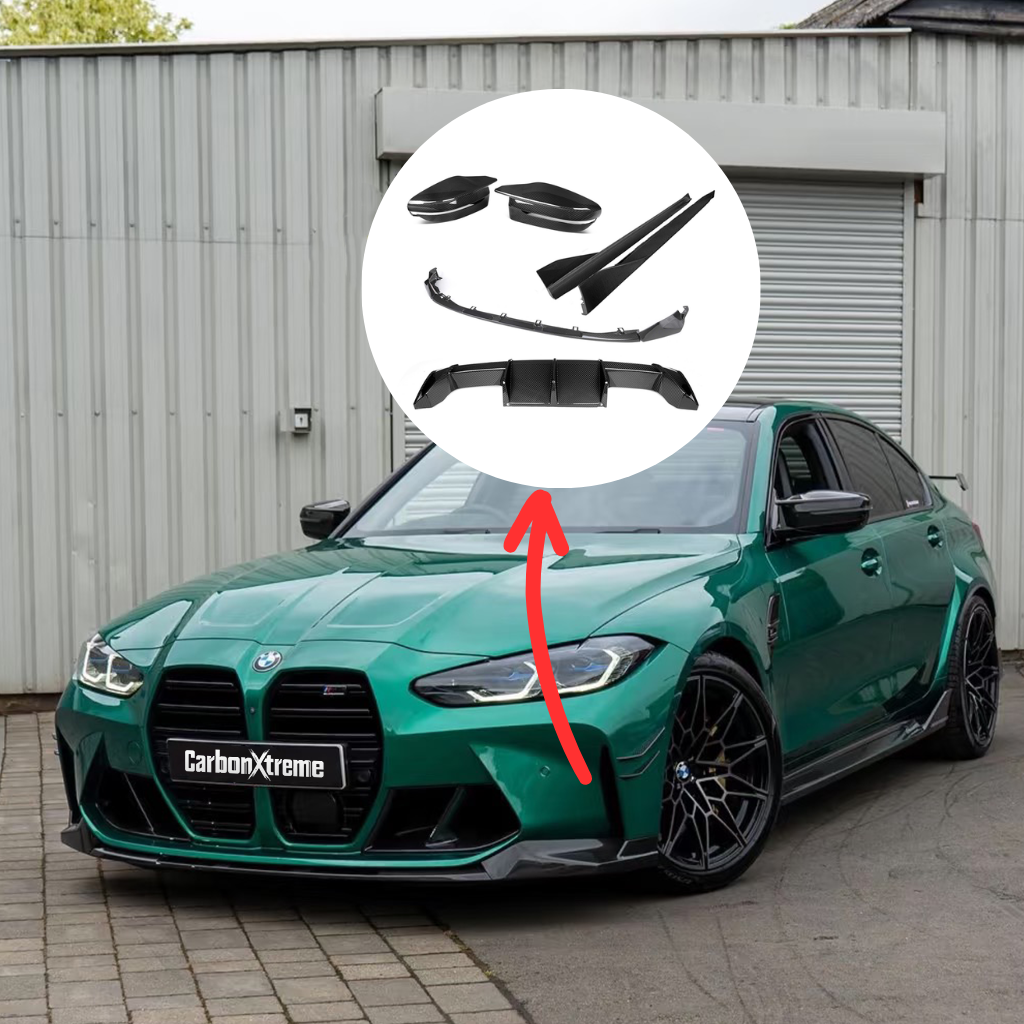
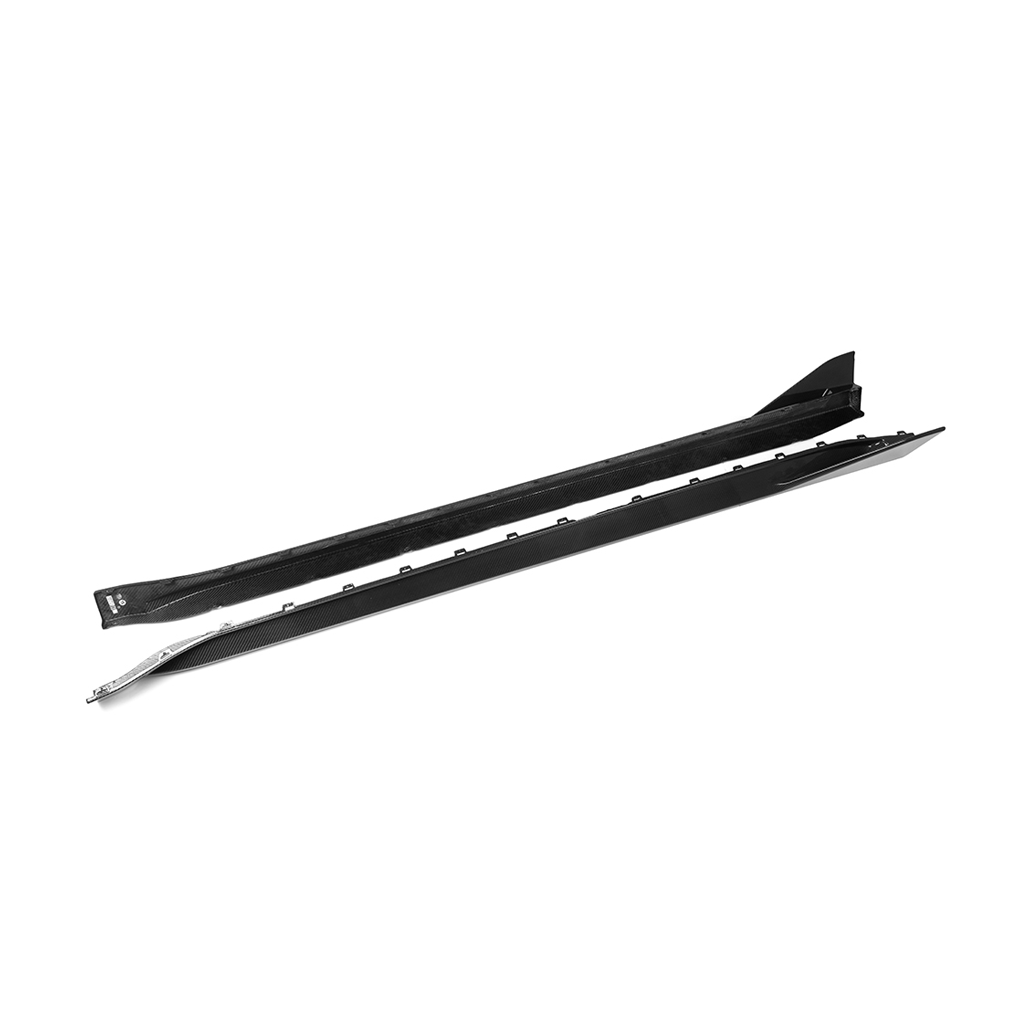
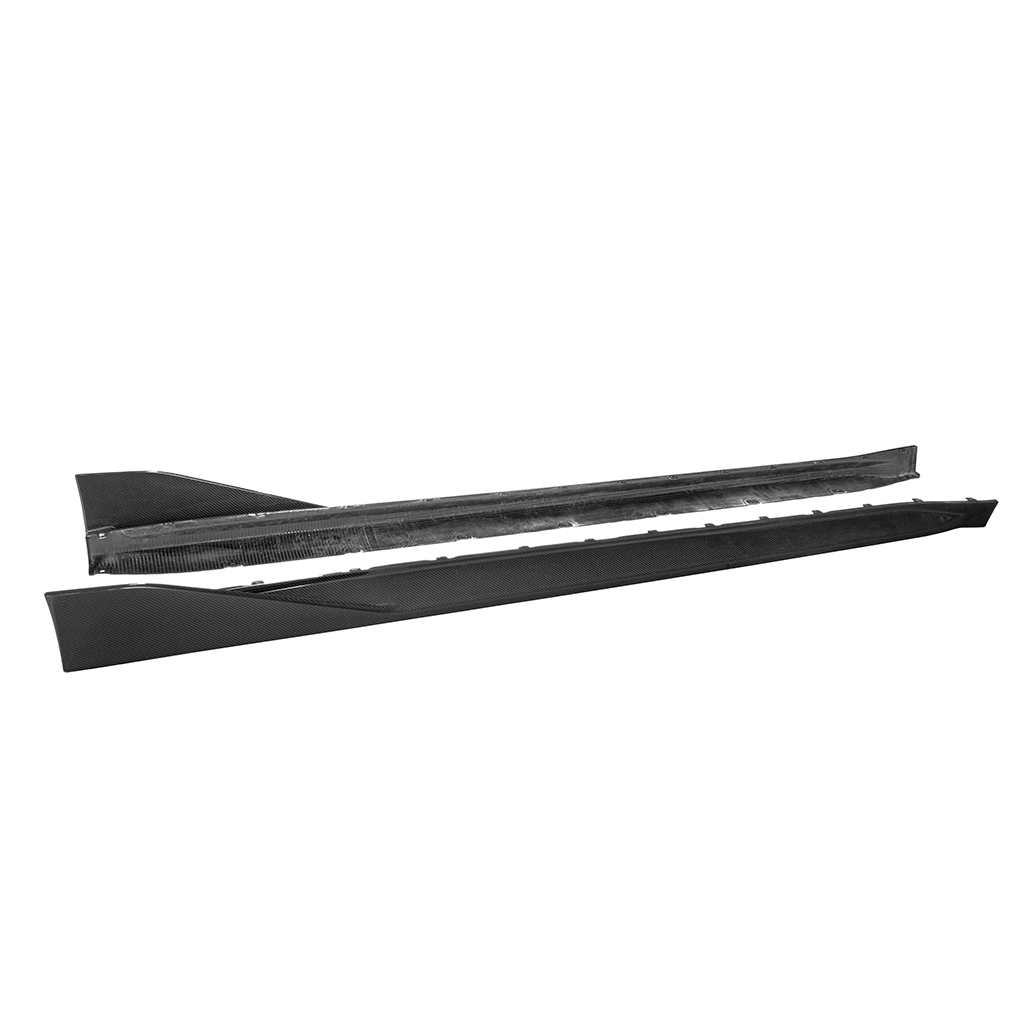
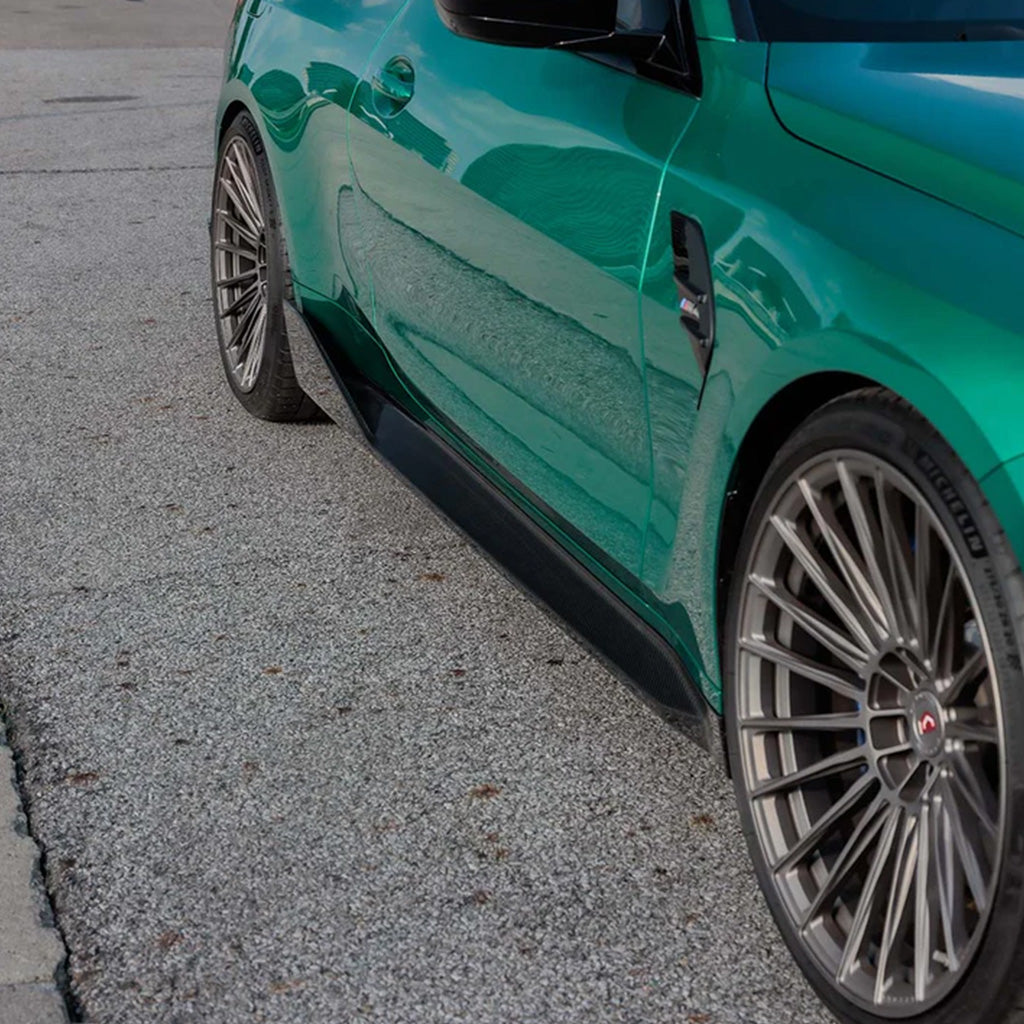
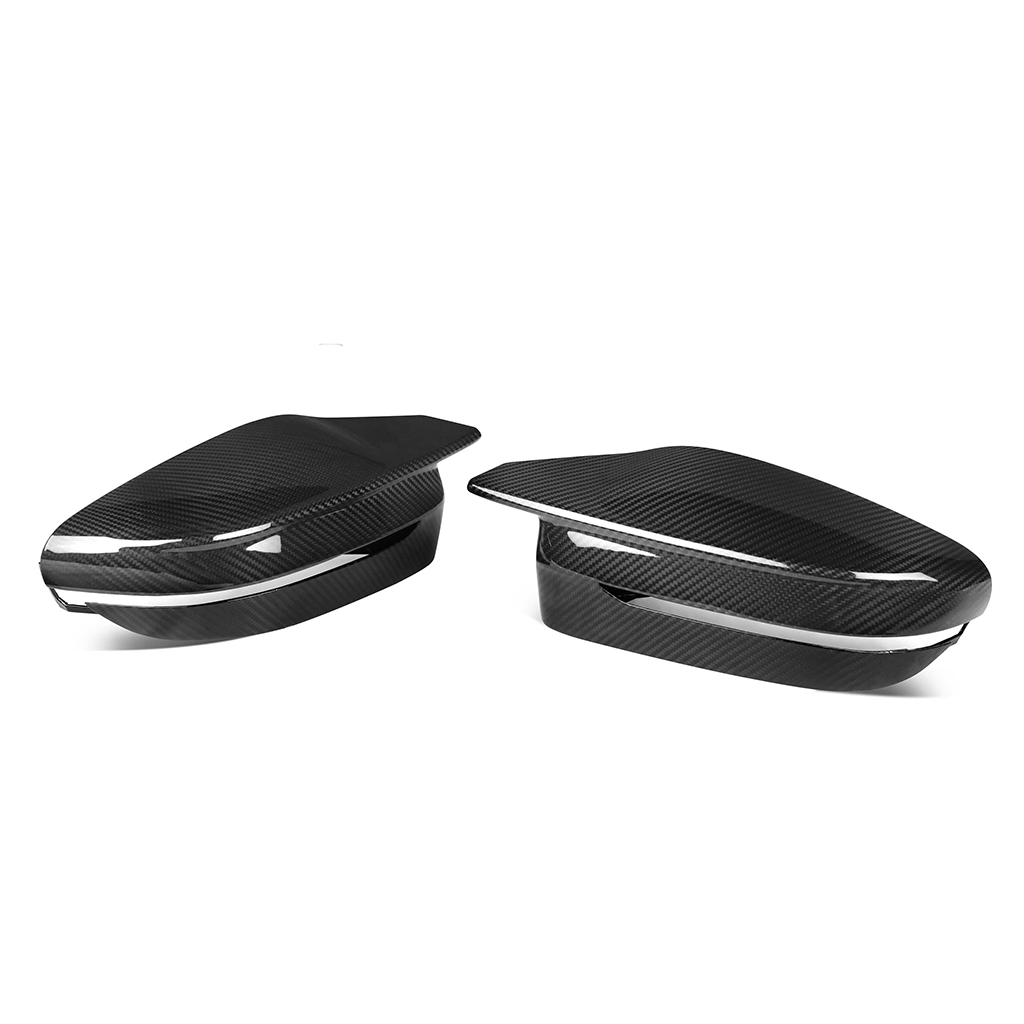
For the exterior, you have plenty of options to enhance both aesthetics and functionality. Consider adding:
-
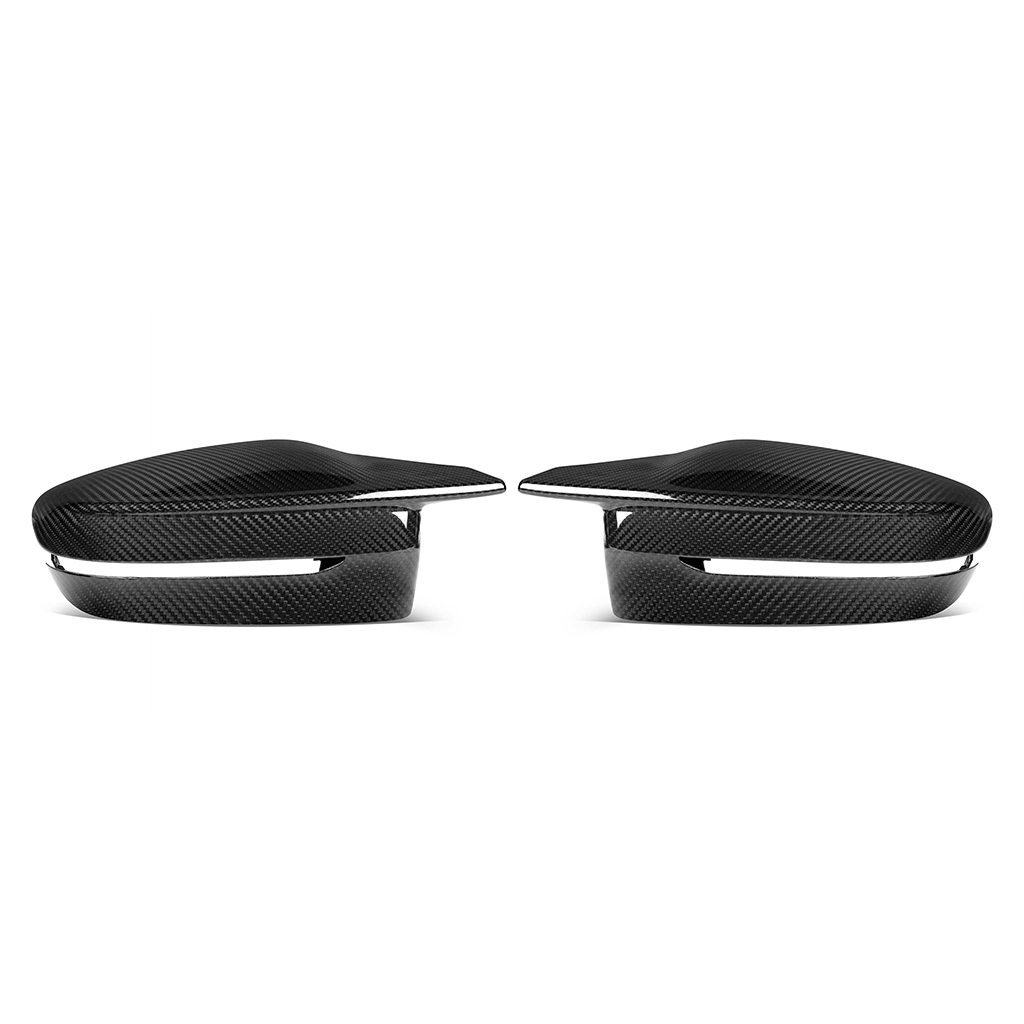
Mirror caps for a subtle yet striking look.
-
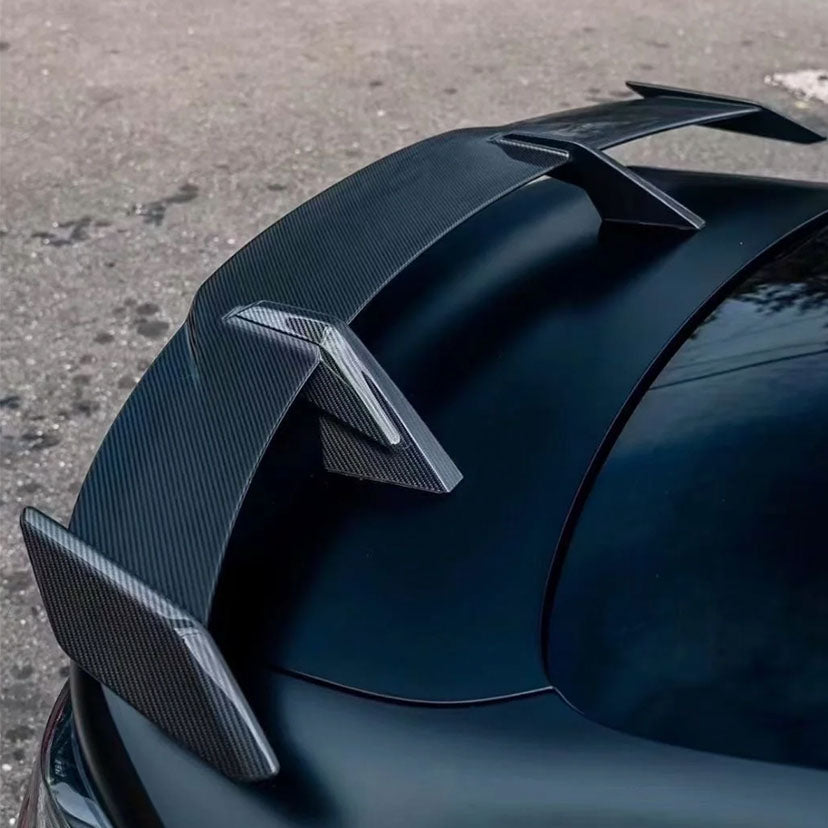
Trunk spoilers to boost aerodynamics and add aggression.
-
Front grilles for a lightweight, stylish alternative.
These upgrades let you tailor your BMW to your style while enjoying the benefits of carbon fiber components.
Finding and Maintaining Eco-Friendly Carbon Fiber BMW Upgrades
Where to Find Sustainable Carbon Fiber Upgrades
BMW dealerships and official suppliers.
If you’re looking for eco-friendly carbon fiber upgrades, your first stop should be an authorized BMW dealership. These dealerships offer genuine carbon fiber parts designed specifically for your BMW model. You’ll get the assurance of quality, proper fitment, and compatibility with your vehicle. Plus, official suppliers often provide warranties, giving you peace of mind.
Reputable aftermarket providers specializing in eco-friendly parts.
For more variety or custom options, reputable aftermarket providers are a great choice. Many specialty shops and online retailers focus on sustainable carbon fiber components for BMWs. For example, some providers hand-inspect every part to ensure top-notch quality and fitment. When choosing an aftermarket supplier, keep these tips in mind:
-
Research thoroughly. Check reviews and forums to find trusted providers.
-
Ask for samples. This helps you evaluate the quality before committing.
-
Look for certifications. Industry-recognized certifications indicate adherence to high standards.
-
Consider local options. Local shops can offer faster service and easier communication.
-
Compare quotes. Don’t settle for the first price—shop around for the best deal.
By following these steps, you can find reliable suppliers who prioritize sustainability and quality.
Maintenance Tips for Carbon Fiber Components
Proper cleaning and care techniques.
Keeping your carbon fiber components in top shape doesn’t have to be complicated. Regular cleaning is key to maintaining their shine and durability. Use a microfiber towel or soft cloth to gently remove dirt without scratching the surface. For stubborn stains, a detailing brush can help, but avoid abrasive methods or harsh chemicals. Applying a specialized wax or sealant with UV protection will also shield the carbon fiber from sun damage and environmental wear.
Tip: Consider using a ceramic coating for added protection. It creates a durable layer that resists scratches, dirt, and water.
Avoiding damage from harsh chemicals or impacts.
Protecting your carbon fiber parts from damage is just as important as cleaning them. Use mild soap or pH-neutral car shampoo to avoid harming the material. Applying transparent protective films on vulnerable areas, like the hood or side mirrors, can help absorb impacts from debris. Regular inspections are also crucial. If you spot cracks or discoloration, address them promptly to prevent further damage.
Pro Tip: Avoid driving in conditions that could stress your carbon fiber components, like rough terrain or extreme weather. Prevention is always better than repair.
By following these maintenance tips, you’ll ensure your BMW’s carbon fiber upgrades stay in excellent condition for years to come.
Eco-friendly carbon fiber upgrades redefine what it means to drive a luxury car. They improve your BMW’s performance with weight reduction, durability, and aerodynamic designs. These features not only enhance speed and fuel efficiency but also ensure long-term reliability.
BMW leads the way in sustainable innovation, earning recognition as the Dow Jones Sustainability Index leader for eight years. With initiatives like the iFactory, they’re setting benchmarks in energy-efficient production.
Now’s the time to explore these advancements. By choosing sustainable upgrades, you’re not just enhancing your car—you’re driving toward a greener future.


Share:
Best BMW Carbon Intercooler Piping for Top Performance
How to Choose the Best Personalized Carbon Fiber Steering Wheel for Your Car