

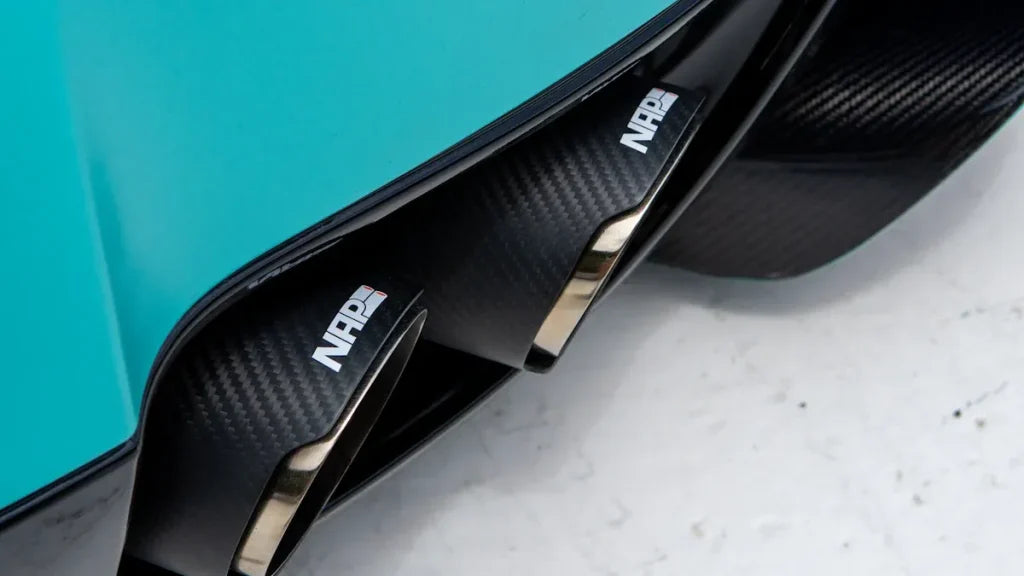
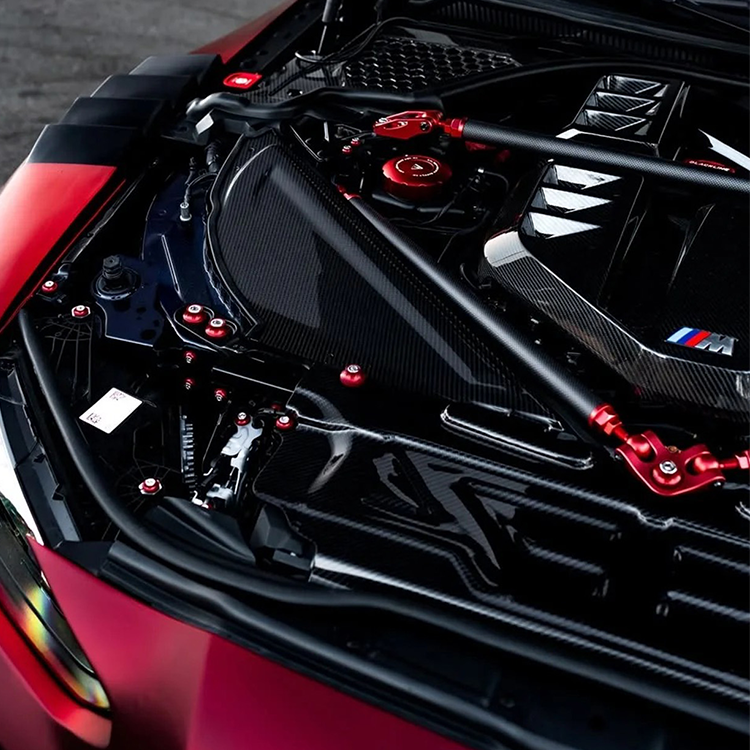
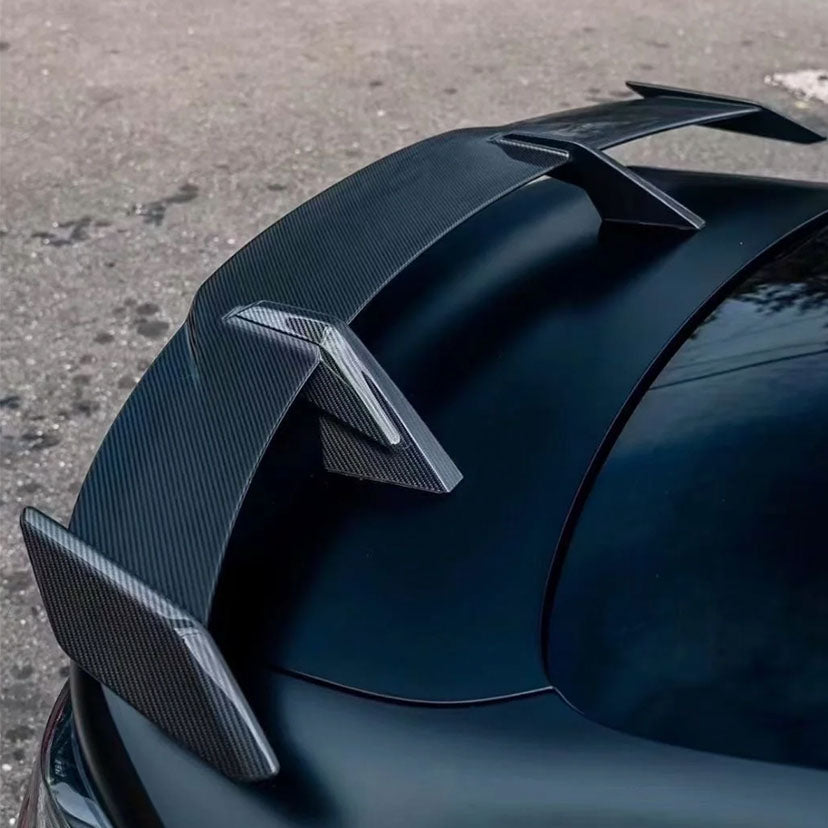
When considering a carbon fiber diffuser vs ABS plastic, durability is a crucial factor. The differences between carbon fiber and ABS plastic in terms of strength and resilience can significantly influence your car’s performance and longevity. Carbon fiber boasts exceptional tensile strength, reaching up to 5,000 MPa, while ABS plastic typically ranges between 40-80 MPa. This makes carbon fiber the preferred choice for high-performance vehicles. On the other hand, ABS plastic offers flexibility and affordability, making it a practical option for daily drivers.
Durability is vital since car diffusers face constant exposure to road debris, weather conditions, and impacts. Lightweight materials like carbon fiber improve aerodynamics, whereas ABS plastic provides a balance of cost and versatility. Choosing the right material in the carbon fiber diffuser vs ABS plastic debate ensures that your diffuser can effectively withstand these challenges.
Key Takeaways
-
Carbon fiber is very strong and lasts long, great for fast cars.
-
ABS plastic is cheaper and tough, good for regular cars.
-
Pick carbon fiber for lightness, but be careful not to break it.
-
Use ABS plastic because it handles bumps well and needs less care.
-
Think about how you drive: carbon fiber is for speed, ABS plastic is for daily use.
Material Properties: Carbon Fiber vs ABS Plastic
Carbon Fiber
Strength-to-Weight Ratio
When it comes to strength-to-weight ratio, carbon fiber stands out as one of the best materials in the automotive industry. It is up to five times stronger than steel while being significantly lighter. This makes it ideal for high-performance applications where reducing weight and maintaining structural integrity are critical. Carbon fiber composites have a tensile strength of up to 5,000 MPa, far surpassing the 40-80 MPa range of ABS plastic. This exceptional strength-to-weight ratio allows carbon fiber parts to withstand immense forces without adding unnecessary weight to your vehicle.
Rigidity and Brittleness
Carbon fiber is known for its rigidity, which ensures that it maintains its shape under stress. However, this rigidity comes with a trade-off: brittleness. While it resists deformation, it can crack or shatter under severe impact. This makes it less forgiving in situations where flexibility is required. For high-quality carbon fiber parts, proper care is essential to prevent damage from sudden impacts or excessive stress.
ABS Plastic
Flexibility and Toughness
ABS plastic offers a unique combination of flexibility and toughness, making it a practical choice for many automotive applications. Unlike carbon fiber, ABS plastic can bend and absorb impacts without breaking. This flexibility allows it to handle minor collisions or road debris more effectively. While it may not match the rigidity of carbon fiber, its toughness ensures durability in everyday driving conditions.
Tensile Strength
In terms of tensile strength, ABS plastic falls short when compared to carbon fiber. With a range of 40-80 MPa, it is much weaker than carbon fiber composites. However, this does not mean ABS plastic is unsuitable for car diffusers. Its lower strength is offset by its ability to deform under pressure without cracking, making it a reliable option for daily drivers who prioritize cost and practicality over high-performance materials.
Key Differences at a Glance:
Carbon fiber excels in strength-to-weight ratio and rigidity but is brittle.
ABS plastic offers flexibility and toughness but has lower tensile strength.
|
Property |
Carbon Fiber |
ABS Plastic |
|---|---|---|
|
Tensile Strength |
Up to 5,000 MPa |
40-80 MPa |
|
Rigidity |
High |
Moderate |
|
Flexibility |
Low |
High |
|
Weight |
Ultra-lightweight |
Lightweight |
|
Durability |
Extremely durable |
Durable but flexible |
This comparison highlights the key differences between these materials, helping you choose the best choice for your needs. Whether you prioritize weight and performance or cost and practicality, understanding these properties will guide you toward the right decision.
Impact Resistance: Carbon Fiber Diffuser vs ABS Plastic
Carbon Fiber
Resistance to Cracks
Carbon fiber excels in strength, but its rigidity makes it prone to cracking under impact. When a carbon fiber diffuser encounters road debris or a collision, it resists deformation but may develop cracks. This happens because carbon fiber parts lack the flexibility to absorb energy from impacts. While this material is ideal for high-performance vehicles due to its lightweight and structural integrity, its vulnerability to cracking requires careful handling.
Vulnerability to Severe Impacts
Severe impacts pose a significant challenge for carbon fiber diffusers. Unlike ABS plastic, which bends or dents, carbon fiber tends to break when subjected to extreme force. For example:
-
Carbon fiber is stronger than ABS plastic.
-
Upon impact, carbon fiber is likely to crack and break.
This brittleness makes carbon fiber less forgiving in situations where durability under heavy stress is essential. If you prioritize impact resistance, you may need to weigh this limitation against its other advantages, such as its lightweight and aerodynamic properties.
ABS Plastic
Ability to Absorb Impacts
ABS plastic offers excellent impact resistance due to its flexibility. When your car diffuser faces minor collisions or road debris, ABS plastic absorbs the energy by bending or denting instead of breaking. This characteristic makes it a practical choice for daily drivers who encounter unpredictable driving conditions. Its ability to handle impacts without catastrophic failure ensures reliability in everyday automotive use.
Deformation Under Pressure
Under severe pressure, ABS plastic may deform rather than crack. This deformation allows the material to maintain its structural integrity, even in challenging situations. For instance:
-
ABS plastic may dent or bend instead of breaking.
This property makes ABS plastic a durable option for car diffusers, especially when you prioritize cost-effectiveness and flexibility over rigidity. While it may not match the strength of carbon fiber, its resilience under impact makes it the best choice for drivers seeking a balance between durability and affordability.
Key Differences:
Carbon fiber resists deformation but cracks under severe impacts.
ABS plastic absorbs impacts and deforms without breaking.
This comparison highlights the impact resistance of carbon fiber vs plastic diffusers, helping you understand their strengths and weaknesses. Use this guide to choose the material that aligns with your needs, whether you drive a high-performance car or a daily commuter.
Environmental Durability: Carbon Fiber vs Plastic
Carbon Fiber
Heat and UV Resistance
Carbon fiber performs exceptionally well under high temperatures. Its low thermal expansion ensures stability even when exposed to extreme heat, making it a reliable material for automotive applications like engine bays and exhaust systems. Additionally, carbon fiber resists UV radiation, but prolonged exposure can erode the epoxy matrix that binds the fibers. This erosion may reduce tensile strength by up to 29%. To counter this, manufacturers often apply a clear coating to protect carbon fiber parts from UV damage. These properties make carbon fiber a durable option for high-performance vehicles operating in harsh environments.
Moisture and Corrosion Susceptibility
Unlike metals, carbon fiber does not rust or corrode. This makes it an excellent choice for areas with high humidity or saltwater exposure. However, long-term studies reveal that sustained exposure to moisture and saltwater can slightly reduce its tensile strength, with decreases ranging from 7% to 12%. While these effects are minimal, they highlight the importance of proper maintenance to preserve the material’s durability. Overall, carbon fiber offers impressive resistance to environmental factors, making it a strong contender in the carbon fiber vs plastic debate.
ABS Plastic
Weathering and UV Damage
ABS plastic is more susceptible to weathering and UV damage compared to carbon fiber. Prolonged exposure to sunlight can cause the material to fade, crack, or become brittle over time. This limits its effectiveness in outdoor applications without additional UV-resistant coatings. Despite this drawback, ABS plastic remains a practical choice for daily drivers who prioritize affordability over long-term durability.
Performance in Extreme Conditions
ABS plastic performs well in moderate conditions but struggles in extreme environments. High temperatures can cause it to warp or lose structural integrity, while freezing temperatures may make it brittle. However, its ability to withstand minor impacts and deformations makes it a versatile material for everyday automotive use. For drivers seeking a balance between cost and functionality, ABS plastic often emerges as the best choice.
Key Differences:
Carbon fiber resists heat, UV radiation, and corrosion but requires protective coatings for long-term durability.
ABS plastic is less resistant to environmental factors but offers flexibility and affordability for daily use.
This comparison highlights the environmental durability of carbon fiber diffuser vs ABS plastic options. Use this guide to determine which material aligns with your needs, whether you drive a high-performance car or a daily commuter.
Maintenance and Longevity: Carbon Fiber vs ABS Plastic
Carbon Fiber
Cleaning and Care
Maintaining carbon fiber parts requires attention to detail. Regular cleaning with non-abrasive products helps preserve their glossy finish. You should avoid harsh chemicals, as they can damage the resin coating that protects the material. Using a microfiber cloth and a mild cleaning solution ensures that your premium-quality carbon fiber remains in top condition. While carbon fiber components resist corrosion, exposure to dirt and debris can dull their appearance over time. Proper care not only enhances their look but also extends their lifespan.
|
Aspect |
Details |
|---|---|
|
Durability |
Carbon fiber is strong and rigid, ensuring longevity under normal conditions. |
|
Cleaning |
Regular cleaning with non-abrasive products is essential to maintain its glossy finish. |
|
Sensitivity to Impact |
Carbon fiber is sensitive to impacts; minor collisions can cause cracks or chips. |
|
Repair Needs |
Damages may require professional repair, emphasizing the need for careful handling. |
|
Chemical Sensitivity |
Avoid harsh chemicals as they can damage the resin coating. |
Repair Challenges
Repairing carbon fiber parts can be challenging. Minor cracks or chips often require professional expertise, which can be costly. Unlike ABS plastic, carbon fiber does not bend or deform, making repairs more complex. High-quality carbon fiber parts demand careful handling to avoid damage. If you own a high-performance vehicle, investing in proper maintenance is crucial to prevent costly repairs. While carbon fiber composites offer exceptional durability, their rigidity makes them less forgiving when damaged.
ABS Plastic
Ease of Maintenance
ABS plastic offers a straightforward maintenance routine. Cleaning it requires minimal effort, as the material is less sensitive to chemicals compared to carbon fiber. You can use standard automotive cleaning products without worrying about damaging the surface. Its flexibility also makes it less prone to cracking, reducing the need for frequent repairs. For daily drivers, ABS plastic is the best choice when balancing durability and maintenance simplicity.
Repair and Replacement Costs
Repairing ABS plastic is more affordable than fixing carbon fiber components. Minor dents or scratches can often be fixed with DIY solutions or inexpensive professional services. Replacement costs are also lower, making ABS plastic a practical option for budget-conscious drivers. While it may not match the weight and performance of carbon fiber, its cost-effectiveness ensures reliability for everyday use. This comparison highlights the key differences in maintenance and repair between these materials, helping you make an informed decision.
Key Takeaway: Carbon fiber requires meticulous care and professional repairs, while ABS plastic offers easier maintenance and lower repair costs.
Cost vs. Performance: Carbon Fiber Diffuser vs ABS Plastic
Carbon Fiber
High Initial Cost
Carbon fiber parts, including diffusers, come with a premium price tag. At approximately $15 per pound, carbon fiber is significantly more expensive than ABS plastic, which costs around $0.50 per pound. This high cost stems from the complex manufacturing process and the material’s superior properties. For high-performance vehicles, this investment often pays off due to the unmatched strength-to-weight ratio. Carbon fiber is lighter and stronger than ABS plastic, making it ideal for weight-sensitive applications. However, the upfront expense can be a barrier for those on a tight budget.
Long-Term Value for Performance Cars
Despite the high initial cost, carbon fiber offers excellent long-term value for high-performance car modifications. Its lightweight nature enhances aerodynamics and fuel efficiency, while its strength ensures durability under demanding conditions. For performance-focused applications, carbon fiber diffusers deliver superior results. However, you must consider its brittleness under severe impacts. If you prioritize performance and longevity over cost, carbon fiber is a worthwhile investment.
ABS Plastic
Budget-Friendly Option
ABS plastic is a cost-effective choice for car diffusers. At just $0.50 per pound, it is far more affordable than carbon fiber. This makes it an attractive option for daily drivers who want to upgrade their vehicles without breaking the bank. Many manufacturers use ABS plastic for OEM parts due to its durability and ease of customization. Its flexibility allows it to withstand minor impacts, such as scraping against curbs, without significant damage. For budget-conscious drivers, ABS plastic provides a practical solution.
Practicality for Daily Drivers
ABS plastic excels in practicality for everyday use. Its ability to absorb impacts and deform without breaking makes it ideal for unpredictable driving conditions. While it lacks the strength and lightweight properties of carbon fiber, it compensates with affordability and resilience. For daily drivers, ABS plastic offers a balance between cost and functionality. If you seek a reliable material for regular driving, ABS plastic is a dependable choice.
Key Differences:
Carbon fiber is lighter and stronger but comes with a higher price tag.
ABS plastic is more affordable and practical for daily use.
This comparison highlights the high-priority comparisons between carbon fiber vs ABS plastic. Use this guide to determine which material aligns with your needs, whether you drive a high-performance vehicle or a daily commuter.
Comparison Table: Durability Metrics
Key Metrics
Strength
Carbon fiber offers unmatched strength. Its tensile strength reaches up to 5,000 MPa, making it one of the strongest materials used in automotive applications. This strength allows it to withstand immense forces without deforming. ABS plastic, on the other hand, has a tensile strength of 40-80 MPa. While it is much weaker than carbon fiber, its flexibility compensates for this limitation. It bends under pressure instead of breaking, making it a practical choice for everyday use.
Impact Resistance
Carbon fiber resists deformation during impacts but is prone to cracking due to its rigidity. This makes it less suitable for situations where flexibility is required. ABS plastic absorbs impacts effectively. It bends or dents instead of breaking, which ensures reliability in unpredictable driving conditions. For drivers seeking a material that can handle minor collisions, ABS plastic provides a dependable solution.
Environmental Resilience
Carbon fiber performs well in extreme environments. It resists heat and UV radiation, but prolonged exposure can erode its epoxy matrix. Proper coatings can mitigate this issue. ABS plastic struggles in harsh conditions. High temperatures may cause warping, while freezing temperatures can make it brittle. However, it remains a practical option for moderate climates and daily use.
Maintenance Requirements
Carbon fiber requires careful maintenance. Cleaning it with non-abrasive products preserves its glossy finish, while professional repairs are often necessary for cracks or chips. ABS plastic is easier to maintain. Standard cleaning products work well, and minor damages can be repaired affordably. Its low maintenance needs make it ideal for budget-conscious drivers.
Quick Comparison:
Carbon Fiber: High strength, rigid, durable, requires careful maintenance.
ABS Plastic: Flexible, absorbs impacts, low maintenance, prone to fading.
|
Metric |
Carbon Fiber |
ABS Plastic |
|---|---|---|
|
Strength |
Extremely high |
Moderate |
|
Impact Resistance |
Rigid, prone to cracks |
Flexible, absorbs impacts |
|
Environmental Resilience |
Heat and UV resistant |
Susceptible to weathering |
|
Maintenance Requirements |
High maintenance |
Low maintenance |
This comparison highlights the durability metrics of carbon fiber and ABS plastic. Use this guide to choose the material that best suits your needs, whether you prioritize strength or practicality.
When choosing between carbon fiber and ABS plastic for car diffusers, you must weigh durability, cost, and application. Carbon fiber offers unmatched strength (up to 5,000 MPa) and lightweight properties, making it ideal for high-performance vehicles. However, its brittleness and higher cost ($15 per pound) may deter budget-conscious buyers. ABS plastic, with its flexibility and affordability, suits daily drivers who prioritize practicality over performance.
-
Key Takeaways:
-
Carbon fiber excels in strength and durability but requires careful handling.
-
ABS plastic provides cost-effective versatility, though it lacks the strength of carbon fiber.
-
For performance cars, carbon fiber is the superior choice. For everyday use, ABS plastic delivers reliability at a lower cost.


Share:
Protecting Your Carbon Fiber Ducktail Spoiler in 2025
Top Carbon Fiber Cold Air Intake Systems for Sports Cars in 2025