


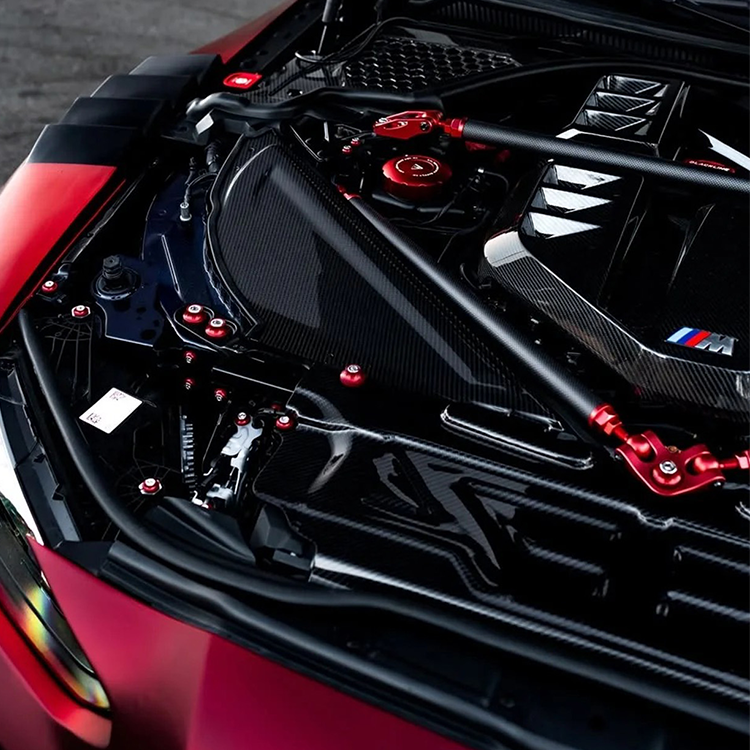
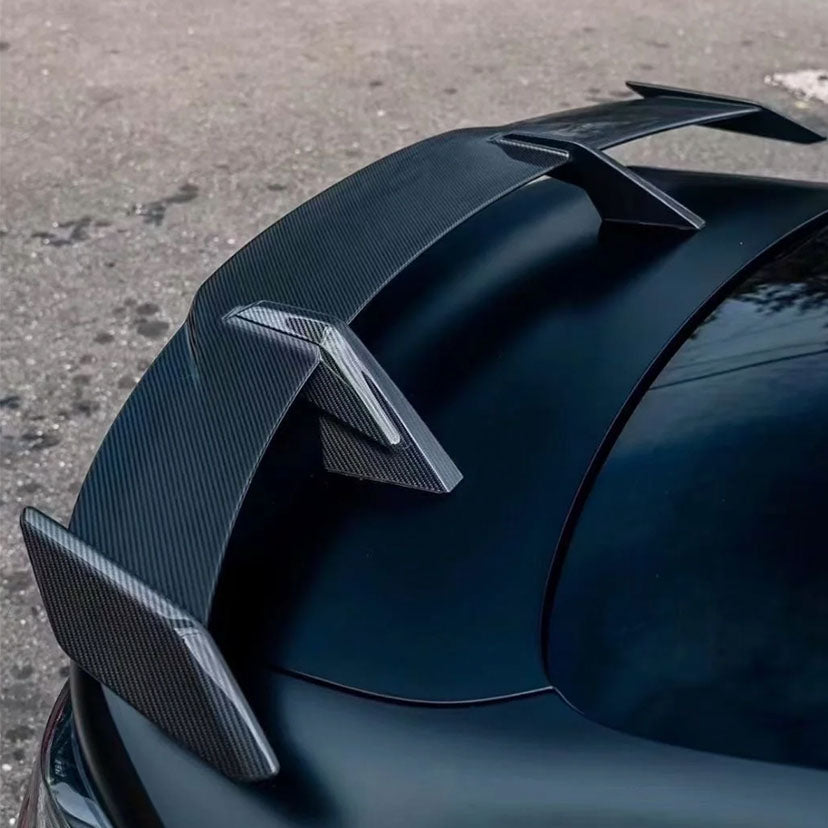
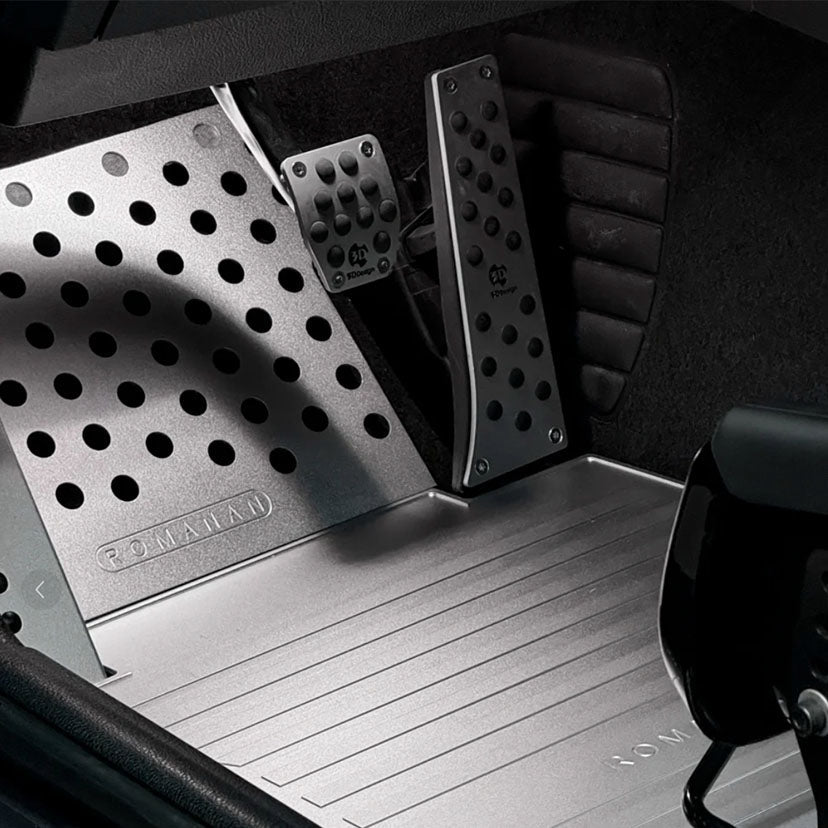

Selecting the right material for high-impact applications demands a deep understanding of its properties. Materials like Impact-Resistant Carbon Fiber Components, aluminum, Kevlar, and glass differ significantly in strength, weight, and durability. For instance, Impact-Resistant Carbon Fiber Components offer the highest tensile strength and strength-to-weight ratio, as shown in the table below:
|
Material |
Tensile Strength (MPa) |
Density (grams/cc) |
Strength-to-Weight Ratio |
|---|---|---|---|
|
E Glass |
3450 |
2.66 |
564 |
|
Impact-Resistant Carbon Fiber Components |
4127 |
1.58 |
1013 |
|
Kevlar |
2757 |
1.44 |
993 |
Understanding these differences is crucial. Impact testing reveals potential weaknesses that could lead to failures under sudden loads. Manufacturers use this knowledge to enhance designs and ensure materials meet performance standards. Impact-Resistant Carbon Fiber Components, for example, excel in applications requiring lightweight and durable solutions, while Kevlar and glass serve specialized purposes.
Key Takeaways
-
Carbon fiber is very strong and lightweight, perfect for tough uses.
-
Knowing strength, weight, and durability helps pick the best material.
-
Kevlar absorbs energy well and resists impacts, great for safety gear.
-
Aluminum is cheap and bendable but not as strong as carbon fiber.
-
Picking a material means thinking about use, cost, and environment.
Material Properties
Strength and Stiffness
Carbon fiber’s tensile strength and rigidity
Carbon fiber stands out for its exceptional strength and rigidity. Its tensile strength ranges from 4127 MPa, with a Young’s modulus between 125 and 181 GPa. This makes it significantly stronger and stiffer than materials like aluminum, Kevlar, and glass. The alignment of carbon fiber’s microscopic strands contributes to its high strength-to-weight ratio, making it ideal for structural applications. For example, carbon fiber offers 31% more rigidity than aluminum at the same thickness while being 42% lighter. This unique combination of strength and rigidity allows carbon fiber to resist deformation under heavy loads, ensuring reliability in demanding environments.
Aluminum vs carbon fiber in structural applications
When comparing aluminum vs carbon fiber in structural applications, carbon fiber consistently outperforms. Weight for weight, carbon fiber provides up to five times more rigidity than aluminum. Additionally, carbon fiber’s high strength and resistance to fatigue make it a superior choice for applications requiring long-term durability. While aluminum remains a cost-effective option, its lower stiffness and higher density limit its performance in high-impact scenarios. Industries like aerospace and automotive increasingly favor carbon fiber for its ability to maintain structural integrity under extreme conditions.
Weight and Density
Carbon fiber’s lightweight advantage
Carbon fiber’s lightweight nature is one of its most significant advantages. With a density of just 1.55 g/cm³, it is much lighter than aluminum, which has a density of 2.7 g/cm³. This reduced weight enhances performance in various applications. For instance, in Formula 1 racing, replacing aluminum with carbon fiber reduces vehicle weight, improving speed and fuel efficiency. Similarly, in aerospace, carbon fiber components contribute to better flight performance by lowering the overall weight of aircraft. Its lightweight properties also make it a preferred material in medical devices like prosthetics, where mobility and comfort are critical.
Trade-offs with heavier materials like aluminum
While aluminum is heavier than carbon fiber, it offers certain advantages, such as ductility and ease of manufacturing. However, the trade-offs become apparent in high-performance applications. Heavier materials like aluminum increase the overall weight of machinery, which can reduce efficiency and increase wear over time. In contrast, carbon fiber’s lightweight and high strength make it a more effective choice for applications where weight reduction is crucial, such as in sports equipment and luxury vehicles.
Durability and Longevity
Resistance to wear and fatigue in carbon fiber
Carbon fiber excels in durability, particularly in its resistance to wear and fatigue. Its fatigue resistance is rated as excellent, outperforming materials like aluminum, which only offers good resistance. This makes carbon fiber an ideal material for long-term structural applications. Its ability to withstand repeated stress without significant degradation ensures reliability in industries like construction and aerospace. As one expert noted, “The extraordinary durability of carbon fiber enables it to excel in industries ranging from automotive and aerospace to construction and sports.”
Kevlar and glass in long-term applications
Kevlar and glass also offer durability but in different ways. Kevlar provides exceptional resistance to heat and corrosion, making it suitable for environments with extreme temperatures. Glass, on the other hand, offers moderate durability and is more prone to wear over time. While both materials have their strengths, carbon fiber’s combination of high strength, lightweight, and excellent fatigue resistance makes it the preferred choice for most high-impact applications.
Impact Resistance and Toughness
Impact-Resistant Carbon Fiber Components
High strength but brittleness under severe impact
Impact-resistant carbon fiber components exhibit exceptional strength, making them ideal for high-impact applications. However, their brittleness under extreme impact can pose challenges. Unlike ductile materials, carbon fiber tends to crack or shatter when subjected to sudden, severe forces. This limitation arises from its rigid structure, which lacks the ability to deform significantly. Despite this, carbon fiber remains a top choice in industries where lightweight and high strength are critical.
Applications where carbon fiber excels
Carbon fiber’s impact resistance makes it the preferred material in several fields:
-
Military aviation: Enhances stealth and structural integrity in harsh conditions.
-
Space exploration: Critical for lightweight and resilient components in extreme environments.
-
Automotive advancements: Reduces weight for higher speeds and better handling in racing.
-
Competitive sports: Provides protective gear that balances impact resistance and mobility.
-
Construction: Increases load-bearing capacity while reducing weight for safer designs.
These applications highlight the versatility of impact-resistant carbon fiber components in demanding environments.
Kevlar’s Toughness
Superior energy absorption and impact resistance
Kevlar stands out for its superior energy absorption and impact resistance. Its unique molecular structure allows it to dissipate energy effectively, making it highly resistant to punctures and tears. This property makes Kevlar an excellent choice for applications requiring robust protection against high-impact forces.
Common uses in protective gear and aerospace
Kevlar’s toughness finds widespread use in protective gear, such as bulletproof vests and helmets. In aerospace, it contributes to lightweight yet durable components that can withstand extreme conditions. Its ability to combine strength with flexibility ensures reliable performance in critical applications.
Aluminum and Glass
Aluminum’s ductility under impact
Aluminum’s ductility allows it to deform without breaking, which is essential in high-impact situations. This property helps absorb energy during impacts, preventing catastrophic failure. While not as strong as carbon fiber, aluminum’s ability to bend rather than crack makes it a practical choice for applications requiring resilience.
Glass’s brittleness and limited high-impact use
Glass, on the other hand, exhibits significant brittleness. It lacks the ability to absorb energy effectively, making it unsuitable for most high-impact applications. While glass can provide moderate strength in controlled environments, its limited toughness restricts its use in scenarios involving sudden or severe forces.
Thermal and Environmental Resistance
Carbon Fiber in Extreme Conditions
Resistance to temperature fluctuations
Carbon fiber demonstrates remarkable stability under temperature fluctuations. Its low thermal expansion coefficient ensures minimal dimensional changes, even in extreme heat or cold. This property makes it a reliable choice for aerospace and automotive applications, where materials often face rapid temperature shifts. Unlike metals, carbon fiber resists warping or weakening, maintaining its structural integrity over time.
Performance in corrosive environments
Carbon fiber also excels in corrosive environments due to its chemical inertness. It does not oxidize, ensuring long-term durability. The polymer matrix, often epoxy, enhances resistance to moisture and chemicals. Additional benefits include:
-
Exceptional electrochemical stability, making it suitable for contact with electrolytes.
-
Structural integrity in high humidity and extreme temperatures.
-
Surface treatments that further improve corrosion resistance by adding protective layers.
These attributes make carbon fiber a preferred material for marine, industrial, and chemical processing applications.
Kevlar and Glass
Kevlar’s heat resistance and limitations
Kevlar offers excellent heat resistance, making it suitable for high-temperature environments. It retains its strength even in humid or wet conditions, ensuring consistent performance. However, compared to carbon fiber, kevlar lacks resistance to chemical exposure, particularly to acids and alkalis. This limitation restricts its use in environments where chemical durability is critical.
Glass’s vulnerability to thermal shock
Glass struggles with thermal shock, which occurs during rapid temperature changes. For example:
-
Sudden washdowns or exposure to hot materials can cause cracking.
-
Tempered borosilicate glass, with its lower thermal expansion coefficient, performs better in such conditions.
Despite these improvements, glass remains less reliable than carbon fiber or kevlar in high-impact applications involving extreme temperatures.
Aluminum
Susceptibility to corrosion and thermal expansion
Aluminum faces challenges in extreme conditions due to its susceptibility to corrosion and thermal expansion. Without protective measures, it corrodes in humid or saline environments. Additionally, its high thermal expansion coefficient can lead to dimensional instability, reducing its effectiveness in precision applications.
Protective coatings to enhance performance
To overcome these limitations, manufacturers apply various protective coatings to aluminum. Common options include:
-
Anodizing: Improves corrosion resistance and allows for aesthetic customization.
-
Marine coatings: Shields against UV exposure and salt spray in marine environments.
-
Powder coating: Provides a durable, decorative finish for automotive and home appliances.
-
Thermal spraying: Enhances performance in extreme conditions by restoring dimensions and adding functionality.
These coatings extend aluminum’s lifespan and broaden its usability in demanding environments.
Cost and Manufacturing Considerations
Carbon Fiber
High production costs and labor-intensive processes
Carbon fiber stands out as a high-performance composite material, but its production involves significant costs. The manufacturing process requires precision and specialized equipment. Producing carbon fiber composites involves weaving carbon strands into a fabric and combining them with a polymer matrix. This labor-intensive process contributes to its high price. Additionally, the raw materials used in carbon fiber production are expensive, further increasing costs. Despite these challenges, industries like aerospace and automotive continue to invest in carbon fiber due to its unmatched strength-to-weight ratio and advanced composite properties.
Long-term value in high-performance applications
Although carbon fiber has a high upfront cost, its long-term performance justifies the investment. Its durability and resistance to fatigue ensure reliability over extended periods. Applications in renewable energy, such as wind turbine blades, benefit from its lightweight and robust nature. In the automotive sector, carbon fiber composites enable significant weight reduction, improving fuel efficiency and performance. These advantages make carbon fiber a cost-effective choice for industries prioritizing long-term performance and innovation.
Aluminum
Lower cost and ease of manufacturing
Aluminum offers a cost-effective alternative to carbon fiber. Priced at just over $2 per kilogram, it is one of the most affordable metals available. Modern manufacturing processes, such as extrusion and casting, enhance its production efficiency. Aluminum’s versatility stems from its lightweight nature, good thermal properties, and recyclability. These attributes make it a practical choice for applications requiring a balance of cost and performance.
Trade-offs in performance and durability
While aluminum is durable and reliable for general use, it cannot match the performance of carbon fiber in high-impact or weight-sensitive applications. Aluminum’s higher density limits its effectiveness in achieving weight reduction. Additionally, it has moderate stiffness and fatigue resistance compared to carbon fiber composites. However, its affordability and ductility make it suitable for applications where cost is a primary concern.
|
Material |
Stiffness |
Fatigue Resistance |
Thermal Conductivity |
|---|---|---|---|
|
Carbon Fiber |
High |
Excellent |
Low |
|
Aluminum |
Moderate |
Good |
High |
Kevlar and Glass
Kevlar’s moderate cost and specialized applications
Kevlar occupies a middle ground in terms of cost. Its production process and limited availability make it more expensive than aluminum but generally less costly than carbon fiber. Kevlar’s strength and lightweight properties make it ideal for specialized applications in aerospace, automotive, and sporting goods. While it lacks the versatility of carbon fiber composites, its energy absorption and impact resistance provide unique advantages in protective gear and high-performance equipment.
Glass’s affordability but limited high-impact use
Glass is the most affordable composite material among the options discussed. Its low cost makes it attractive for applications where budget constraints are critical. However, its brittleness and limited durability restrict its use in high-impact scenarios. While tempered glass offers improved strength, it cannot compete with the advanced composite properties of carbon fiber or Kevlar in demanding environments.
Choosing the Right Material
Application-Specific Recommendations
When to choose carbon fiber for high-impact needs
Carbon fiber is the ideal choice for applications requiring a combination of strength, stiffness, and lightweight properties. Industries such as aerospace and automotive benefit significantly from its high strength-to-weight ratio. For example, carbon fiber components in aircraft reduce weight, improving fuel efficiency and performance. In sports, it enhances equipment like bicycles and tennis rackets, offering durability without adding bulk. Its resistance to fatigue and wear also makes it suitable for long-term structural applications, such as wind turbine blades and bridges.
Scenarios where Kevlar, aluminum, or glass are better suited
Kevlar excels in scenarios demanding superior impact resistance and energy absorption. Protective gear, such as bulletproof vests and helmets, relies on Kevlar for its ability to dissipate force effectively. Aluminum, with its ductility and affordability, works well in applications requiring moderate strength and ease of manufacturing. It is commonly used in construction, transportation, and consumer goods. Glass, while limited in high-impact uses, remains a cost-effective option for controlled environments, such as windows and laboratory equipment.
Tip: Consider the specific demands of the application before selecting a material. Each material offers unique advantages that cater to different needs.
Balancing Performance and Cost
Factors to consider when selecting a material
Selecting the right material involves evaluating several factors. Strength, weight, and durability should align with the application’s requirements. Cost is another critical consideration, especially for large-scale projects. For instance, while carbon fibre offers unmatched performance, its high production cost may not suit budget-sensitive applications. Environmental conditions, such as exposure to heat, moisture, or chemicals, also influence material choice.
Importance of understanding application requirements
Understanding the application’s requirements ensures the material performs as intended. High-impact applications, for example, demand materials that can withstand sudden forces without failure. Lightweight materials like carbon fibre improve efficiency in transportation and aerospace. On the other hand, cost-effective options like aluminum or glass may suffice for less demanding uses. A thorough assessment of these factors helps balance performance and cost effectively.
Carbon fiber, Kevlar, aluminum, and glass each offer unique properties suited to specific applications. Carbon fiber provides unmatched tensile strength and durability and corrosion resistance, making it ideal for lightweight, high-performance materials. Kevlar, an aramid fabric, excels in energy absorption and impact resistance, while aluminum offers affordability and ductility. Glass, though cost-effective, lacks the high tensile strength required for demanding environments.
Selecting the right material depends on the application’s requirements. Carbon fibre works best for high tensile strength and stiffness. Aramid fabrics like Kevlar suit protective gear, while aluminum and glass fit less demanding uses. Understanding these differences ensures optimal performance and cost-efficiency.


Share:
What Makes Carbon Fiber Sheets Thermally Stable
How Carbon Fiber Roll Cages Are Redefining Safety and Performance