

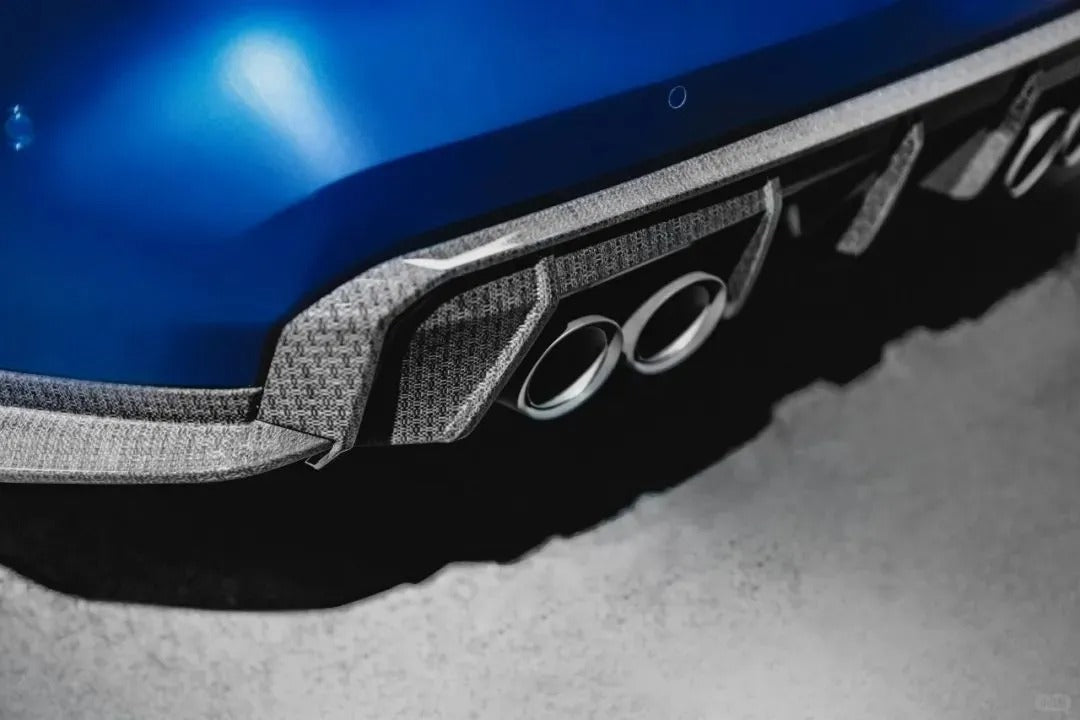
 Saying Goodbye to Carbon Fiber? BMW Experiments With Flax-Based Composites
For decades, carbon fiber has symbolized lightweight performance in the automotive world. From Formula 1 wings to everyday sports cars, it has been the go-to material for weight reduction and a high-tech look. But BMW’s latest move signals that carbon fiber may not remain the undisputed champion.
The German manufacturer has announced a deeper partnership with Swiss innovator Bcomp, a company specializing in flax-based natural fiber composites. These bio-based materials, already proven in motorsport, are now being tested for production use—appearing in roof panels, diffusers, and interior components. For a brand long associated with CFRP (carbon fiber reinforced plastics), this is a bold shift that points to a broader industry trend.
Why Flax?
According to Bcomp, flax composites can cut weight by up to 50% compared with standard plastics, while reducing CO₂ emissions during production by as much as 85% versus traditional carbon fiber. The material also offers superior vibration damping and a more sustainable lifecycle. In other words, it brings performance benefits without the environmental cost.
BMW has already showcased prototype parts made from these flax fibers. The message is clear: sustainability is no longer a side note—it’s becoming central to design and manufacturing strategies.
What It Means for Performance Cars
Some enthusiasts fear that “green” materials will compromise performance. But early tests suggest the opposite: weight savings remain significant, stiffness is sufficient for non-structural parts, and production emissions are dramatically reduced. Other manufacturers, especially in the EV and motorsport sectors, are now closely watching BMW’s progress.
At CarbonXtreme, we don’t see this as the end of carbon fiber, but as an expansion of the material landscape. Carbon fiber will continue to dominate in structural, high-load applications where strength-to-weight ratios are critical. Flax-based composites, meanwhile, may carve out a role in panels, trims, and other areas where sustainability and cost efficiency matter most.

CarbonXtreme’s Perspective
At CarbonXtreme, we view BMW’s move not as a replacement of carbon fiber, but as an expansion of what’s possible in lightweight engineering. Natural fibers like flax are entering the conversation, and their role will likely grow alongside traditional composites.
For us, the priority is simple: keep a close eye on these developments and understand how they fit into real-world performance. The industry is moving quickly, and we believe drivers deserve solutions that balance innovation, durability, and design integrity.
We will continue to follow these shifts carefully, ensuring that whatever direction materials take, enthusiasts can rely on CarbonXtreme for parts that reflect the best of what technology—and craftsmanship—have to offer.

References
-
Autocar, BMW and Bcomp partnership on flax composites
-
Bcomp Official Website: https://www.bcomp.ch
-
BMW Group Press Release (2022–2023)
Share:
Why Do Some Carbon Fiber Parts Experience Peeling or Clear Coat Failure? An Industry Perspective
The Split or the One-Piece: A Carbon Fiber Dilemma Behind BMW’s Iconic Grille