


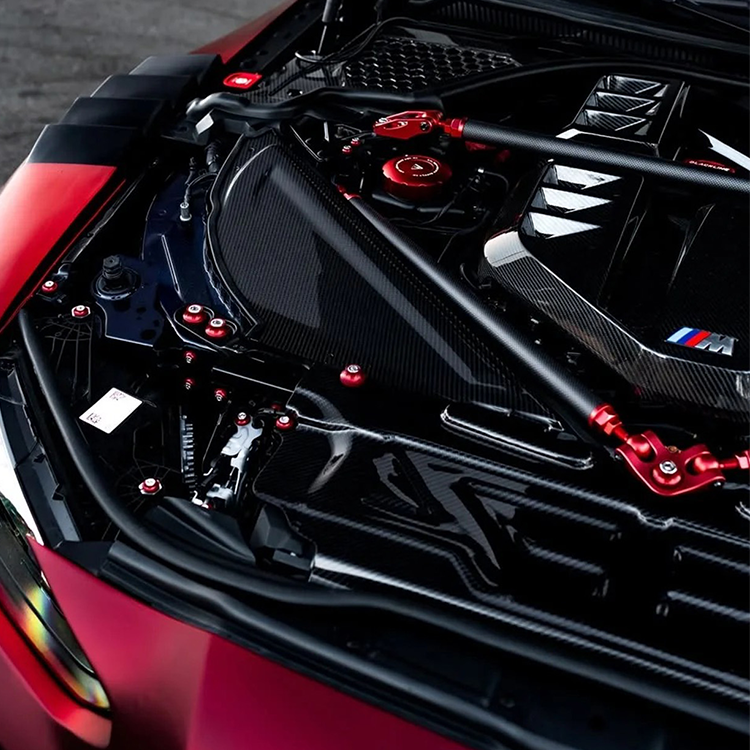
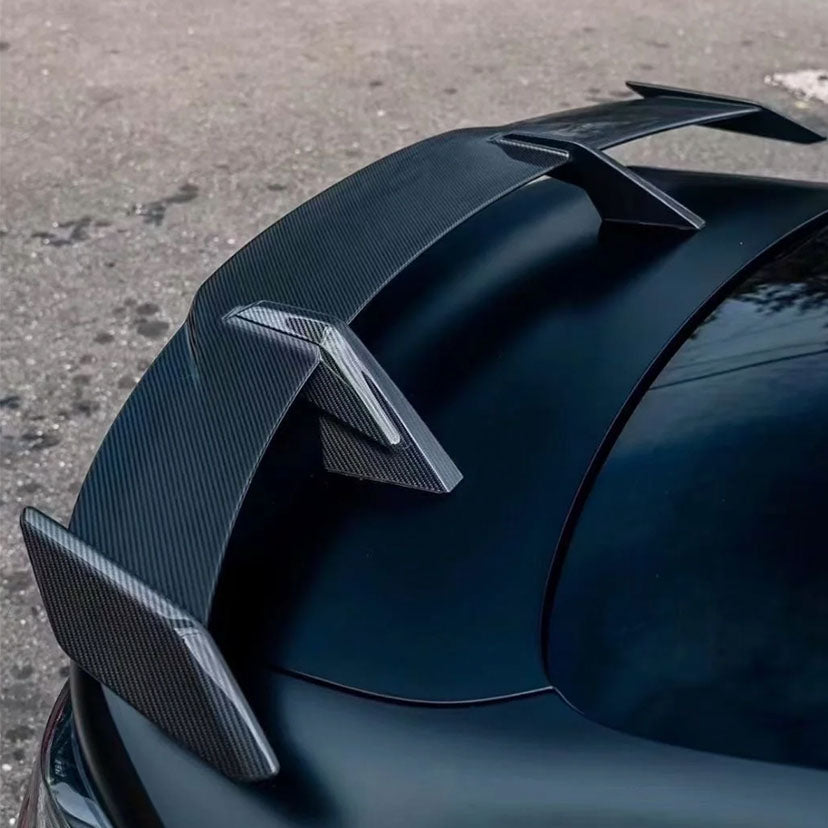
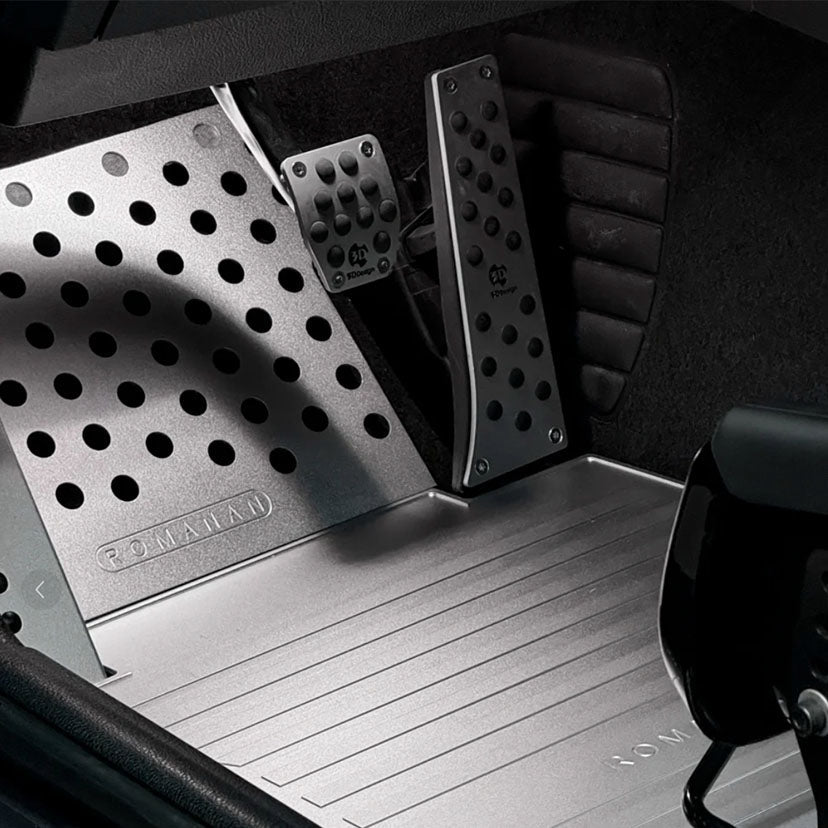

Imagine transforming your car into a more efficient, high-performing machine with just one change. Lightweight carbon fiber upgrades make this possible. These components are 50-70% lighter than steel and about 40% lighter than aluminum, giving your vehicle a significant edge. A 10% reduction in weight can boost fuel economy by 6% or extend the driving range of electric vehicles by 14%. This makes carbon fiber the best upgrade for anyone seeking better efficiency and performance. Its lightweight nature doesn’t just improve fuel savings; it also enhances handling and stability, making every drive smoother and more enjoyable. With these benefits, carbon fiber upgrades truly stand out as the ultimate upgrade for your car.
Key Takeaways
-
Carbon fiber parts are very light, cutting car weight by 50-70%. This helps cars use less fuel and electric cars go farther.
-
Switching to carbon fiber improves how your car handles, stays steady, and speeds up. It makes driving more fun.
-
Carbon fiber parts last long because they don’t wear out or rust easily. This means fewer repairs and lower costs.
-
Using carbon fiber is good for the planet. Lighter cars release less CO₂, keeping the air cleaner.
-
Carbon fiber looks cool. It makes your car work better and appear stylish too.
Unmatched Weight Reduction for Improved Efficiency
How Lightweight Carbon Fiber Reduces Vehicle Weight
When it comes to reducing your car’s weight, carbon fiber stands out as the ultimate solution. Its lightweight nature makes it significantly lighter than traditional materials like steel and aluminum. For example:
-
Carbon fiber is 50-70% lighter than steel and about 40% lighter than aluminum.
-
A 6mm thick, 1m² carbon fiber panel weighs only 9.3 kg, compared to 47.4 kg for steel and 16.2 kg for aluminum.
This dramatic weight reduction is possible because carbon fiber combines a low density with a high strength-to-weight ratio. By replacing heavy materials with carbon fiber parts, you can achieve substantial weight savings without compromising structural integrity. Manufacturers are increasingly using carbon fiber in body panels, chassis, and suspension systems to enhance vehicle performance and efficiency.
Impact on Fuel Economy and Energy Consumption
Reducing your car’s weight directly improves fuel economy and energy consumption. A lighter vehicle requires less energy to accelerate and maintain speed. Studies show that a 10% reduction in weight can boost fuel economy by 6-8%. This also leads to a 5-6% decrease in emissions, making carbon fiber an eco-friendly choice.
For electric vehicles, the benefits are even more pronounced. Lighter cars extend battery range, allowing you to drive farther on a single charge. By incorporating carbon fiber parts, you not only save on fuel or energy costs but also contribute to a greener environment.
Benefits of a Lighter Vehicle on Performance
Weight reduction doesn’t just improve efficiency—it transforms your car’s performance. Lighter vehicles accelerate faster, handle better, and stop more effectively. Carbon fiber’s lightweight properties enhance suspension systems, improving stability and cornering.
|
Performance Metric |
Description |
|---|---|
|
Fuel Efficiency |
Lighter vehicles require less energy to accelerate, leading to improved mileage and lower emissions. |
|
Handling |
Carbon fiber suspension systems enhance handling and stability due to their lightweight properties. |
|
Structural Integrity |
Carbon fiber components improve crashworthiness while reducing overall vehicle weight. |
By upgrading to carbon fiber, you unlock a new level of driving experience. Whether you’re looking for better fuel efficiency, sharper handling, or enhanced safety, carbon fiber delivers unmatched advantages.
Enhanced Performance and Handling
Carbon Fiber’s Role in Acceleration and Speed
Carbon fiber revolutionizes acceleration and speed in high-performance vehicles. Its lightweight yet strong properties reduce vehicle weight significantly, allowing engines to deliver power more efficiently. This translates to faster acceleration and improved fuel economy. Carbon fiber is approximately five times stronger than steel while being much lighter, making it ideal for performance parts like body panels and chassis components. By reducing weight, carbon fiber parts enable sharper handling and quicker responsiveness, giving you an edge on the road. Whether you’re looking for improved acceleration or better handling, carbon fiber delivers unmatched advantages for modern automotive design.
Improved Braking and Cornering with Carbon Fiber Upgrades
Carbon fiber upgrades enhance braking and cornering, transforming your driving experience. Tests comparing carbon fiber wheels to traditional aluminum wheels show shorter stopping distances, which improve safety and performance. Professional drivers report better responsiveness and stability during cornering, making carbon fiber a preferred choice for performance modifications. The lightweight nature of carbon fiber reduces rotational mass, allowing brakes to work more effectively and tires to grip the road with precision. Whether you’re navigating tight corners or stopping abruptly, carbon fiber upgrades ensure enhanced handling and control.
Enhanced Vehicle Stability and Control
Carbon fiber components improve vehicle stability and control, especially at high speeds. The material’s high strength-to-weight ratio minimizes flex and vibration, ensuring a smoother ride. Lightweight carbon fiber parts reduce the strain on suspension systems, enhancing stability during sharp turns and sudden maneuvers. Case studies highlight vehicles like the BMW i Series and Tesla Roadster, which achieve superior performance metrics due to carbon fiber implementation. By upgrading to carbon fiber, you gain better handling, improved acceleration, and a safer driving experience, making every journey more enjoyable.
Durability and Longevity
High Strength-to-Weight Ratio of Carbon Fiber
When you choose carbon fiber for your car, you’re investing in a material that offers an unmatched strength-to-weight ratio. This means you get a lightweight yet strong solution that outperforms traditional materials like steel and aluminum.
-
Carbon fiber is up to five times stronger than steel while being significantly lighter.
-
Its weight-to-strength ratio surpasses aluminum, making it ideal for performance-focused vehicles.
-
High-quality carbon fiber enhances crash resistance, ensuring better safety and structural integrity.
This superior power-to-weight ratio allows your car to achieve better performance without compromising durability. Whether you’re upgrading body panels or chassis components, genuine carbon fiber parts deliver exceptional results.
Resistance to Wear, Corrosion, and Environmental Damage
Carbon fiber parts are built to last. Unlike metals, they resist rust, corrosion, and oxidation, even under extreme weather conditions. Carbon Fiber Reinforced Polymer (CFRP) also handles high temperatures better, making it perfect for engine bays and exhaust systems.
|
Aspect |
Carbon Fiber |
Aluminum |
|---|---|---|
|
Corrosion |
Resistant |
Susceptible |
|
Fatigue |
Excellent resistance |
Moderate resistance |
Additionally, genuine carbon fiber can withstand UV radiation without degrading. A clear coating can help maintain its sleek appearance over time. With these properties, high-quality carbon fiber parts ensure enhanced durability and long-term reliability.
Long-Term Reliability of Carbon Fiber Components
Upgrading to carbon fiber means fewer maintenance worries and a longer vehicle lifespan. Its excellent fatigue resistance and lightweight nature reduce wear on other components, extending their durability. Studies show that carbon fiber can increase a vehicle’s lifespan by up to 30%.
Unlike aluminum, which requires regular upkeep to prevent corrosion, carbon fiber remains reliable with minimal maintenance. This makes it a cost-effective choice for anyone seeking enhanced durability and performance. By choosing high-quality carbon fiber, you’re not just upgrading your car—you’re future-proofing it.
Aerodynamic Benefits of Carbon Fiber
Reduced Drag for Better Fuel Efficiency
Carbon fiber plays a crucial role in improving aerodynamics by reducing drag. Its lightweight nature allows manufacturers to design sleek, streamlined shapes that improve airflow over the vehicle. This reduces resistance, enabling your car to move more efficiently.
-
Carbon fiber enables the creation of aerodynamic designs that minimize drag.
-
Studies show that replacing traditional materials with carbon fiber-reinforced polymer (CFRP) reduces weight, improving fuel economy and lowering emissions.
By reducing drag, carbon fiber upgrades help you save on fuel costs while contributing to a cleaner environment. Whether you drive a sports car or an electric vehicle, these benefits make carbon fiber a smart choice for superior aerodynamics.
Improved Stability at High Speeds
When driving at high speeds, stability is essential for safety and performance. Carbon fiber enhances stability by reducing weight and increasing structural strength. This combination improves handling, especially during sharp turns or sudden maneuvers.
-
Lightweight carbon fiber improves handling and stability, which is vital for high-performance vehicles.
-
Its strength supports better crash resistance, ensuring safety during high-speed driving.
-
Reduced weight enhances acceleration and top speed, giving you better control on the road.
In racing, carbon fiber’s lightness allows for precise speed control and efficient fuel consumption. Whether you’re on the track or the highway, carbon fiber upgrades give you the confidence to push your car to its limits.
Applications in Aerodynamic Vehicle Design
Carbon fiber’s unique properties make it a favorite for innovative vehicle designs. Its high tensile strength and low weight allow manufacturers to create cars with improved aerodynamics and increased downforce. These features enhance both performance and safety.
-
Carbon fiber’s lightweight nature improves aerodynamics, boosting overall vehicle performance.
-
Its energy absorption capabilities enhance safety, enabling more aggressive design choices.
-
Advances in carbon fiber production have made it more accessible, leading to its use in a wide range of vehicles.
From sports cars to electric vehicles, carbon fiber is shaping the future of automotive design. Its ability to reduce weight and improve aerodynamics makes it an essential upgrade for anyone seeking better performance and efficiency.
Aesthetic and Customization Appeal
Sleek and Modern Look of Carbon Fiber
Carbon fiber car parts are not just about performance; they redefine style. Their glossy, woven texture exudes sophistication, making them a hallmark of luxury and high-performance vehicles. You’ll notice how their sleek, modern design enhances the overall aesthetic of any car. Manufacturers often choose carbon fiber for its ability to combine functionality with visual appeal. Its unique appearance has become synonymous with cutting-edge automotive design, ensuring your car stands out on the road.
-
Carbon fiber’s glossy finish adds a premium touch to vehicles.
-
The woven texture symbolizes innovation and high performance.
-
Its aesthetic appeal makes it a favorite for future automotive designs.
By upgrading to carbon fiber car parts, you’re not just improving your car’s efficiency—you’re making a bold style statement.
Versatility in Customizing Interior and Exterior Parts
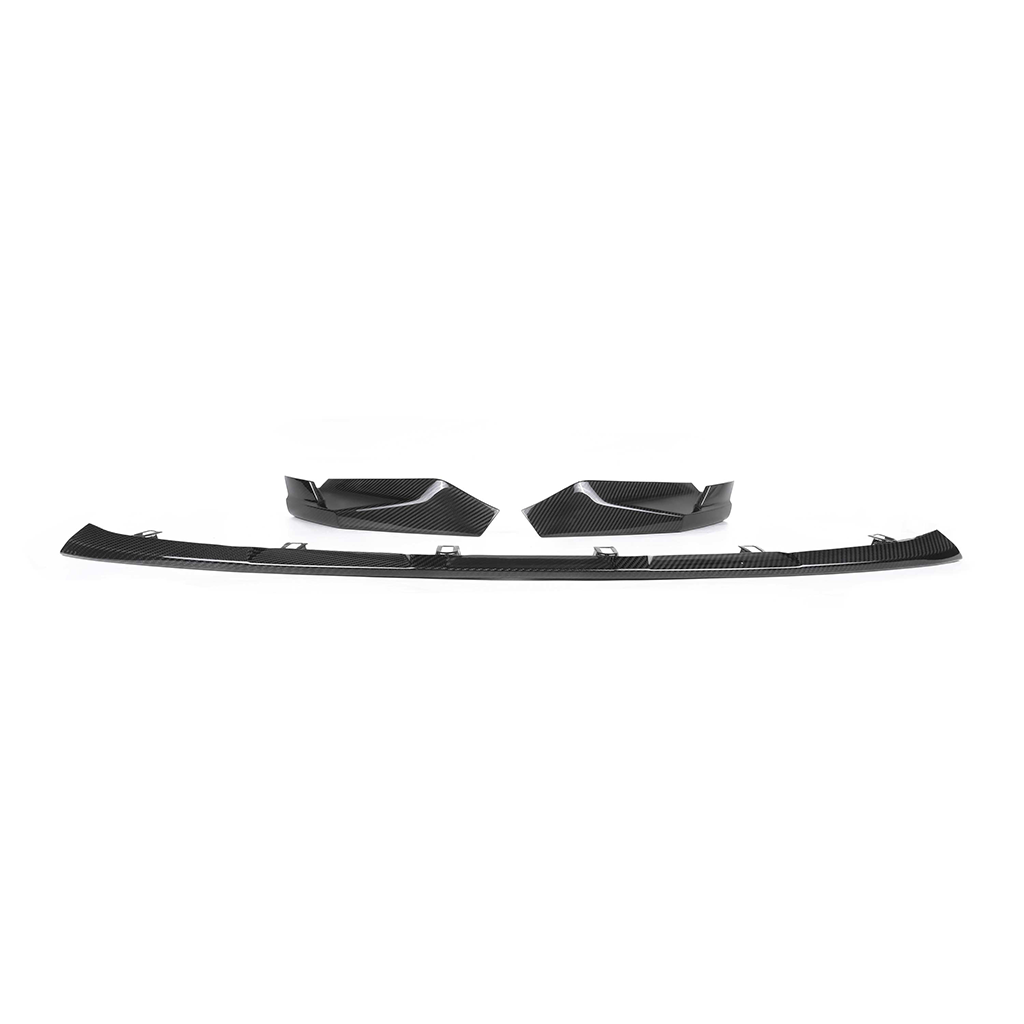
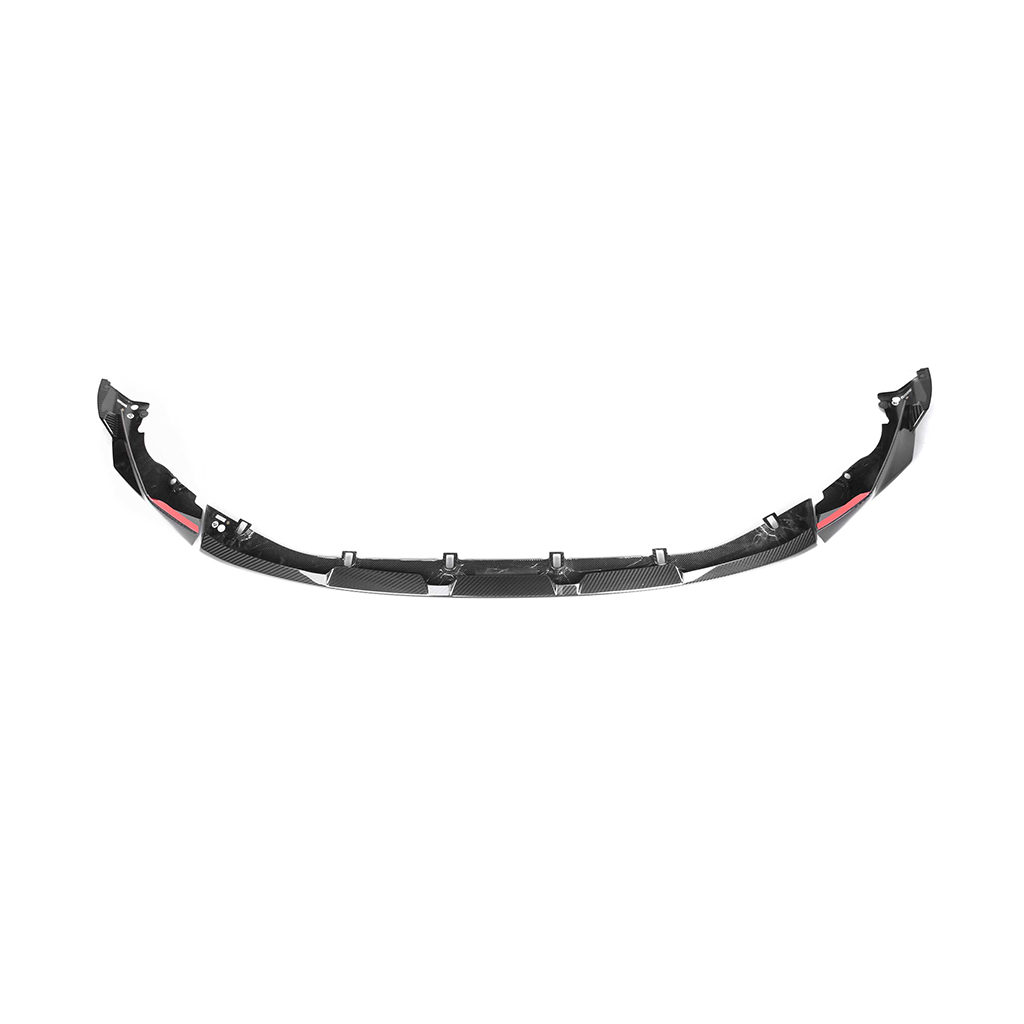
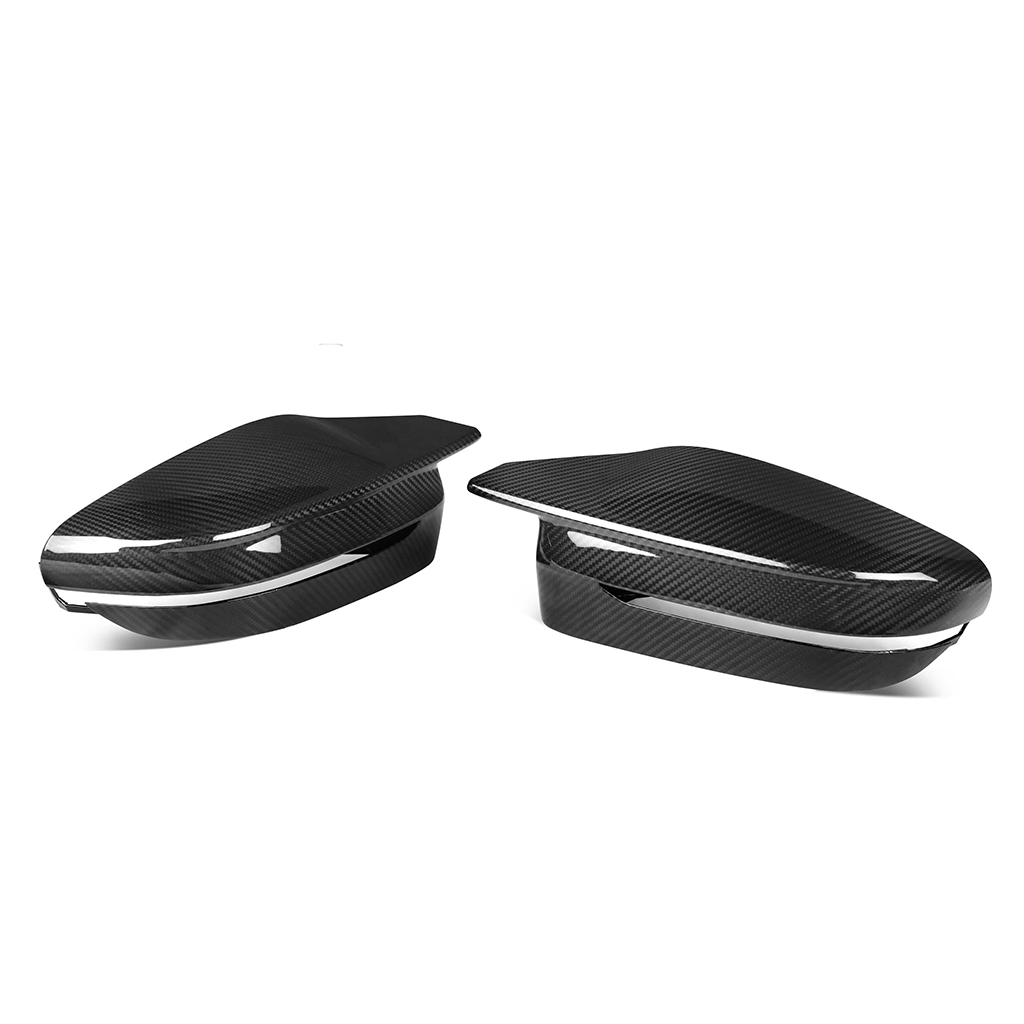
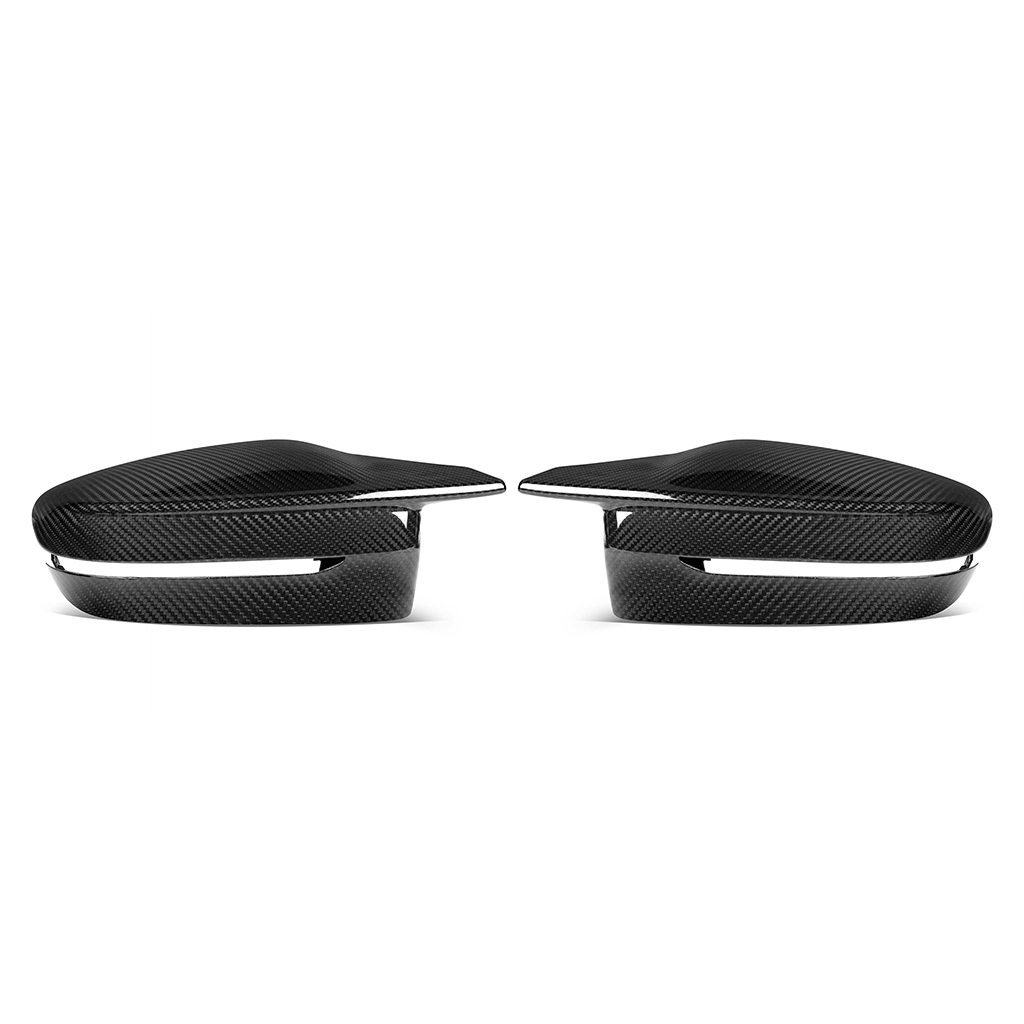
Custom carbon fiber offers endless possibilities for personalizing your car. Whether you want to upgrade the interior or exterior, carbon fiber parts provide unmatched versatility. Imagine a steering wheel or dashboard trim crafted from forged carbon fiber, adding a modern, high-tech vibe to your car’s interior. Exterior upgrades like carbon fiber side mirrors or front canards not only enhance aesthetics but also improve aerodynamics.
-
Interior options include full carbon fiber packages, such as dashboard trims and center console covers.
-
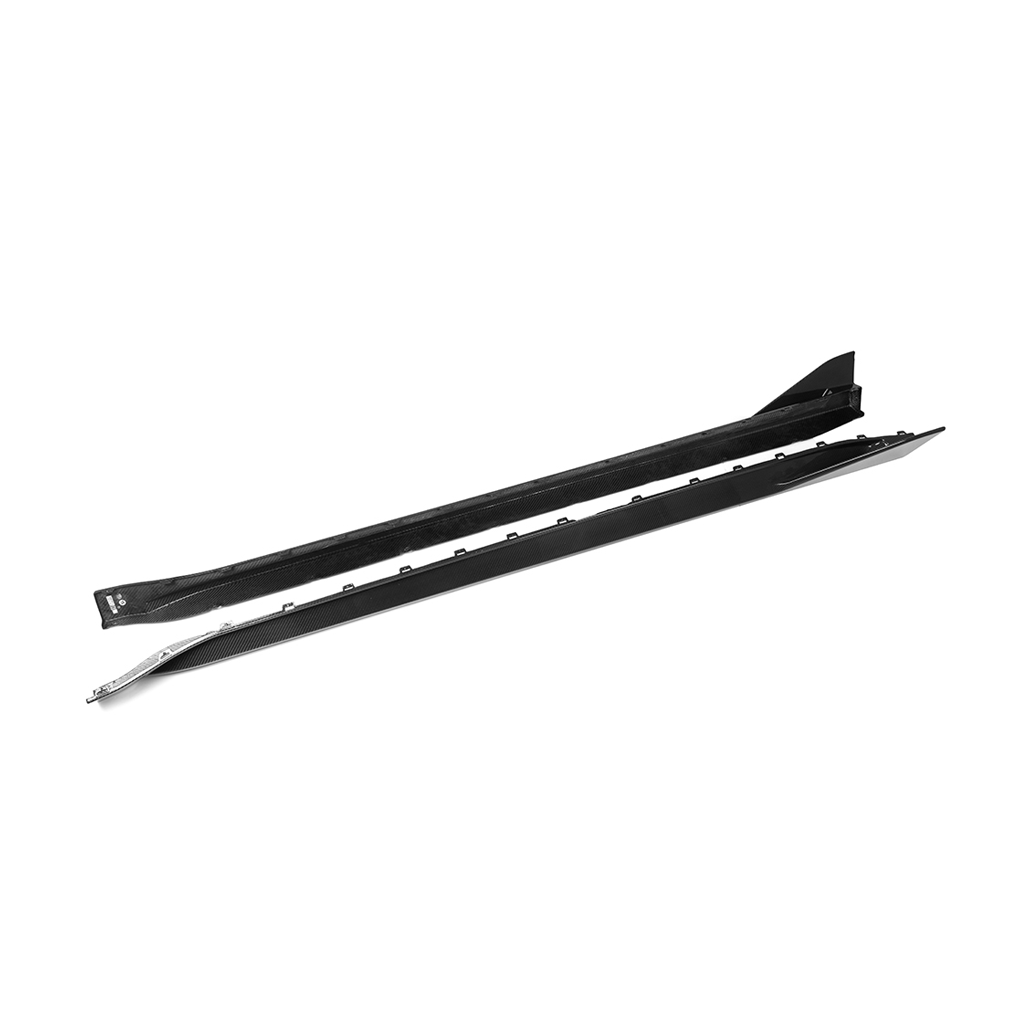
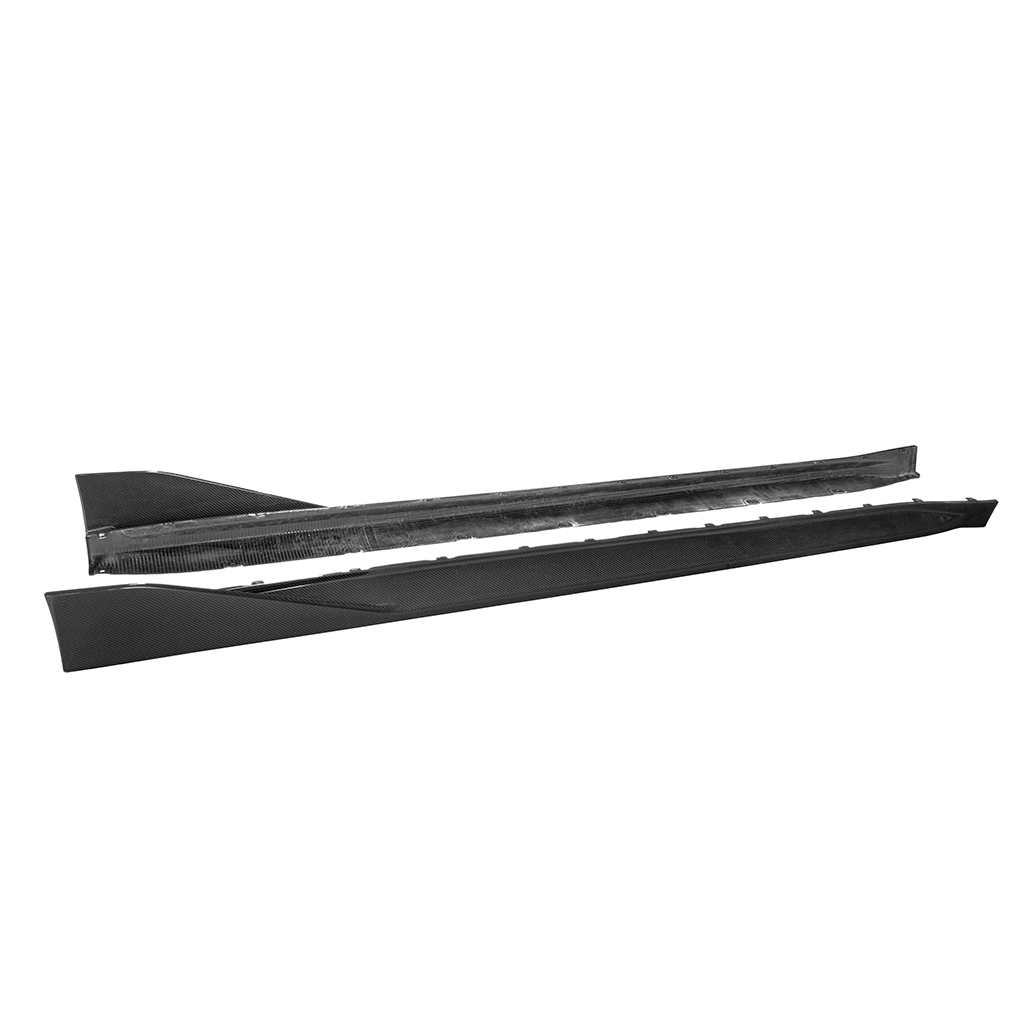
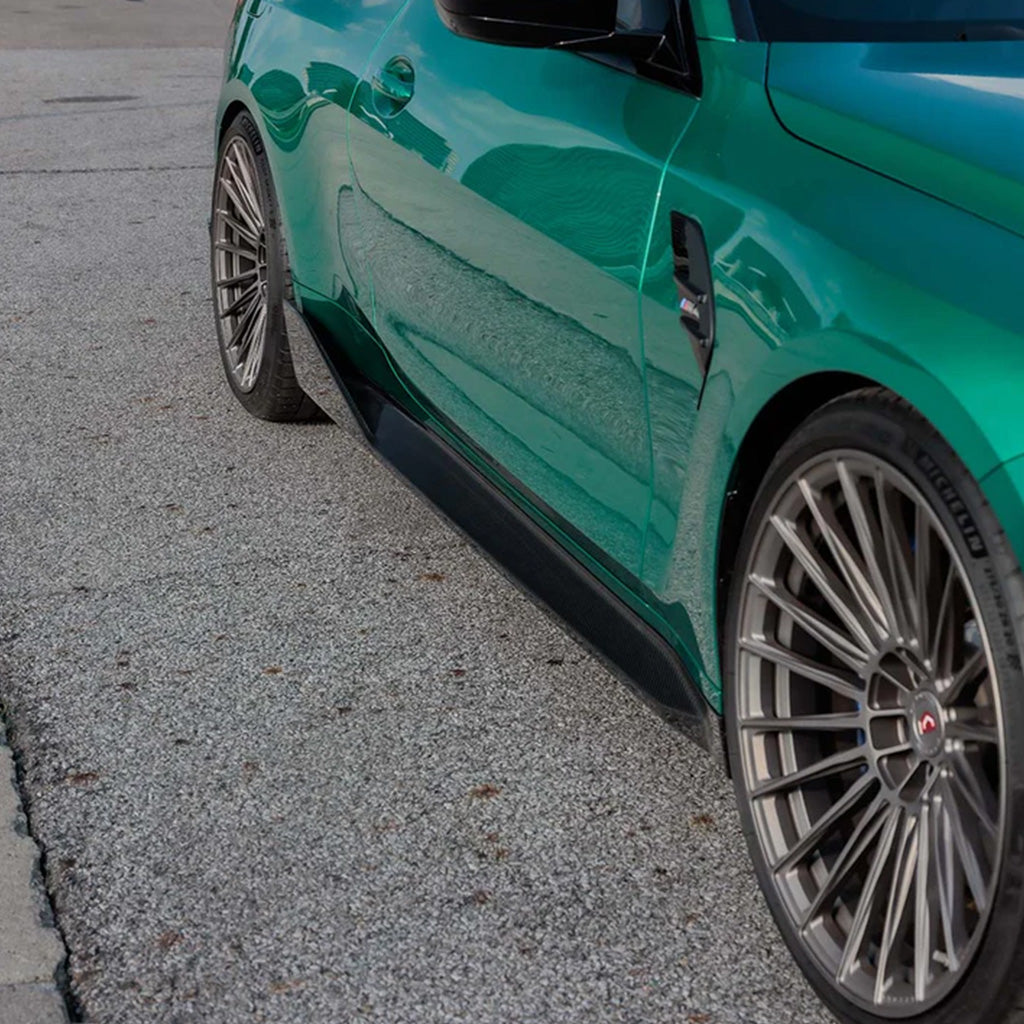
Exterior upgrades range from lightweight aero components to custom carbon fiber accents.
-
These parts combine durability, performance, and a sleek look, giving you the freedom to create a car that reflects your personality.
With custom carbon fiber, you can transform your vehicle into a masterpiece that’s uniquely yours.
Popularity of Carbon Fiber in Performance Car Parts
The demand for carbon fiber car parts is skyrocketing, especially in the realm of performance car parts. Market research shows that the automotive carbon fiber parts market was valued at $2.92 billion in 2023 and is projected to grow to $6.8 billion by 2032. This growth reflects the increasing adoption of carbon fiber for its lightweight, strength, and durability.
Performance car parts like carbon fiber hoods, spoilers, and wheels are becoming standard in high-performance vehicles. Their ability to enhance fuel efficiency and handling makes them indispensable for both sports cars and electric vehicles. As more drivers recognize the benefits of carbon fiber, its popularity continues to soar.
By choosing carbon fiber car parts, you’re joining a growing community of enthusiasts who value both performance and style.
Long-Term Value and Sustainability
Cost-Effectiveness of Carbon Fiber Upgrades
Investing in carbon fiber upgrades may seem expensive at first, but the long-term savings make it a smart financial decision. These lightweight components improve fuel efficiency by 5% to 10%, reducing your fuel costs over time. Additionally, their durability means fewer repairs and lower maintenance expenses.
-
Carbon fiber’s strength ensures fewer replacements compared to traditional materials.
-
Enhanced vehicle performance leads to lower operational costs.
-
Improved fuel efficiency translates to significant savings over the vehicle’s lifespan.
While the initial cost of carbon fiber is higher than aluminum or steel, the long-term benefits outweigh the upfront expense. You’ll also enjoy a potential boost in resale value, as vehicles with carbon fiber components are highly sought after. By choosing carbon fiber, you’re not just upgrading your car—you’re making a financially sound investment.
Eco-Friendly Benefits of Lightweight Carbon Fiber
Carbon fiber isn’t just good for your wallet; it’s great for the planet too. Every 10 kg reduction in vehicle weight decreases carbon emissions by 1g/km. Replacing steel parts with carbon fiber can reduce weight by up to 60%, significantly lowering your car’s environmental impact.
|
Benefit |
Description |
|---|---|
|
Weight Reduction |
Lighter vehicles emit less CO₂, improving overall sustainability. |
|
Material Advantages |
Carbon fiber resists fatigue and corrosion, reducing waste over time. |
|
Environmental Impact |
Using carbon fiber enhances fuel efficiency and reduces harmful emissions. |
By upgrading to carbon fiber, you’re contributing to a cleaner, greener future. Its eco-friendly properties make it an ideal choice for anyone looking to reduce their carbon footprint.
Contribution to Reduced Emissions and Fuel Consumption
Carbon fiber upgrades directly impact your car’s fuel consumption and emissions. Lighter vehicles require less energy to accelerate and maintain speed, leading to better mileage. Many manufacturers now use Carbon Fiber Reinforced Polymer (CFRP) in critical components to achieve these benefits.
-
CFRP lowers vehicle weight, improving fuel efficiency and reducing emissions.
-
Lighter cars consume less energy, making them more environmentally friendly.
-
Carbon fiber’s durability ensures long-term performance with minimal environmental impact.
By choosing carbon fiber, you’re not only saving money but also helping to protect the environment. Whether you drive a gas-powered car or an electric vehicle, these upgrades make a noticeable difference in efficiency and sustainability.
Lightweight carbon fiber upgrades redefine what’s possible for your car. They combine unmatched efficiency, durability, and performance with a sleek, modern aesthetic. By reducing weight, carbon fiber enhances fuel economy, handling, and stability, making every drive more enjoyable.
Why choose carbon fiber? Its high strength-to-weight ratio and long-term reliability make it the ultimate choice for car enthusiasts.
|
Feature |
Carbon Fiber |
Aluminum |
Plastic |
|---|---|---|---|
|
Weight |
Lightweight |
Moderate |
Lightweight |
|
Strength |
High |
Moderate |
Low |
|
Durability |
High |
Moderate |
Low |
|
Cost |
High |
Moderate |
Low |
|
Aesthetic Appeal |
Premium |
Standard |
Basic |
|
Environmental Impact |
Positive |
Neutral |
Negative |
Despite the higher upfront cost, carbon fiber delivers long-term savings through reduced maintenance and improved fuel efficiency. Its eco-friendly benefits also contribute to a greener future. Whether you want better performance, a premium look, or a sustainable upgrade, carbon fiber offers unmatched advantages.



Share:
Protecting Your Carbon Fiber Ducktail Spoiler in 2025
Top Carbon Fiber Cold Air Intake Systems for Sports Cars in 2025