


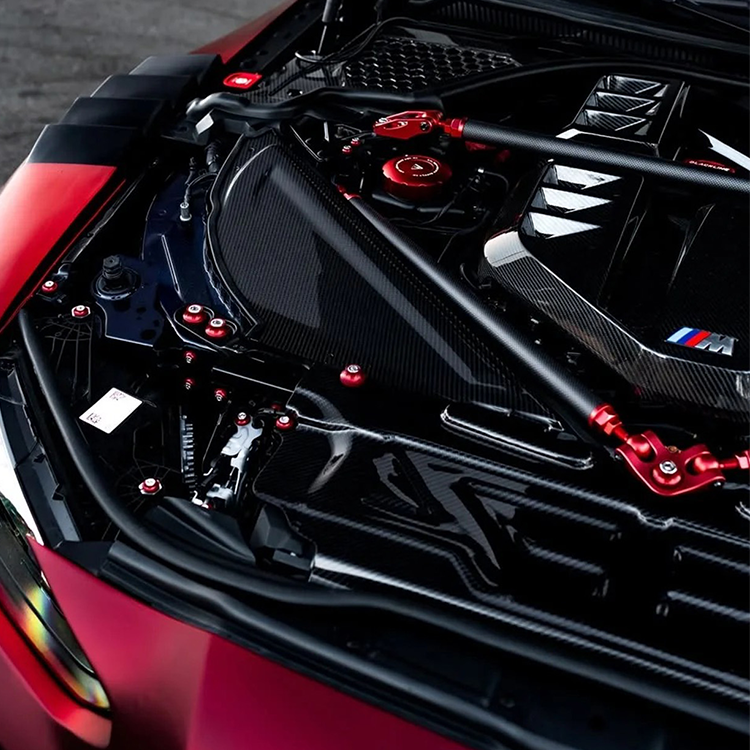
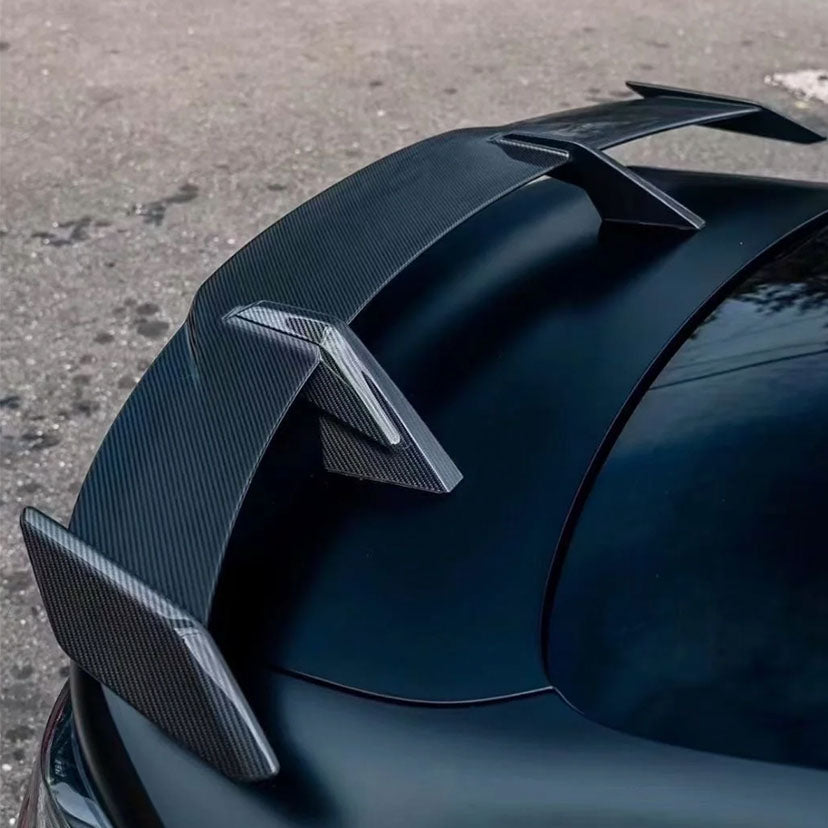
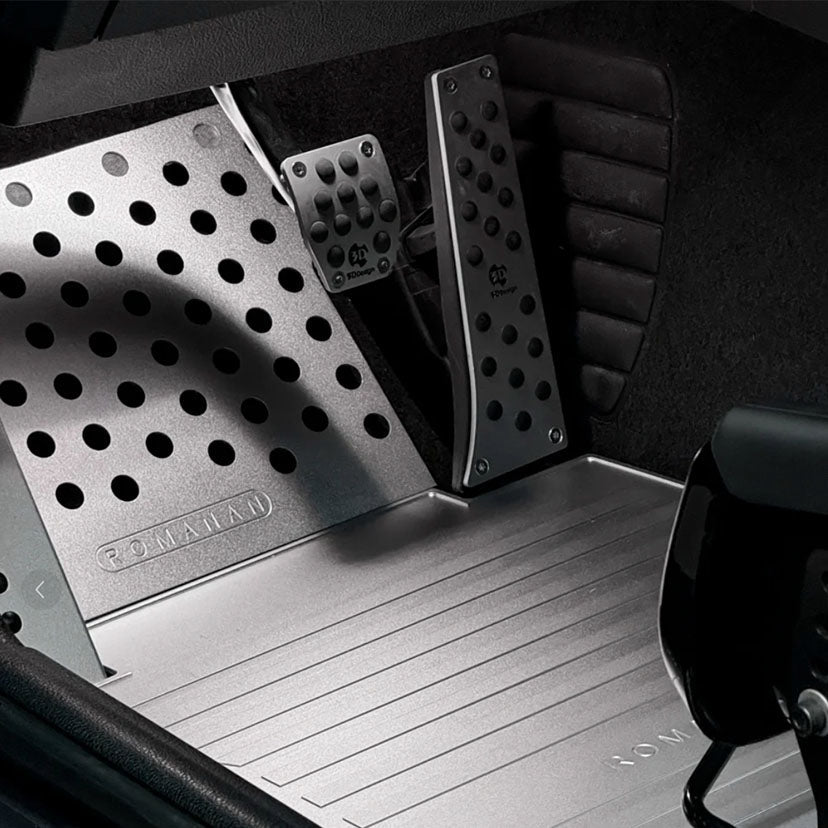

Carbon fiber has revolutionized the way sports cars perform and look. Its lightweight yet strong structure reduces vehicle weight, allowing you to experience faster acceleration and improved fuel efficiency. The sleek woven pattern and glossy finish also give your car a modern, high-tech appearance. Beyond aesthetics, carbon fiber enhances aerodynamics, reducing drag and increasing downforce for better handling at high speeds.
In 2025, advancements in carbon fiber technology are making these benefits even more accessible. New manufacturing methods are improving versatility and affordability. Automation is boosting production speed and precision, while innovative techniques are lowering costs without compromising quality. Sustainability is also a priority, with eco-friendly materials and bio-based carbon fibers gaining traction.
When choosing carbon fiber body components, you should consider factors like compatibility with your car, intended use, and budget. These elements ensure you get the best performance and value from your investment.
Key Takeaways
-
Carbon fiber makes cars lighter, helping them go faster and use less fuel.
-
It is very strong and lasts long, making it great for tough driving and safer rides.
-
Picking the right carbon fiber parts means checking if they fit your car, how you’ll use them, and how much you can spend.
-
Looking up trusted brands and reading reviews helps you find good-quality parts that work well.
-
Getting a pro to install them ensures they fit right and work their best.
Why Carbon Fiber?
Benefits of Carbon Fiber for Sports Cars
Lightweight for Better Speed and Handling
Carbon fiber is one of the lightest materials used in sports car manufacturing. Its weight is about one-fourth that of steel and one-third that of aluminum, making it ideal for high-performance vehicles. Lighter cars accelerate faster and handle better on the road or track. Reduced weight also lowers inertia, allowing you to maneuver corners with precision and stop more quickly when needed.
|
Material |
Weight Comparison |
Performance Impact |
|---|---|---|
|
Carbon Fiber |
1/4 the weight of steel |
Significant gains in speed and acceleration |
|
Steel |
Full weight |
Requires more power to move |
|
Aluminum |
1/3 the weight of aluminum |
Less efficient than carbon fiber in high-performance contexts |
High Durability and Resistance to Wear
Carbon fiber auto parts offer exceptional durability. The material has a high strength-to-weight ratio, meaning it provides strength without adding unnecessary weight. This makes it resistant to wear and tear, even under extreme conditions like high-speed driving or harsh weather. Additionally, carbon fiber absorbs energy effectively during impacts, enhancing crashworthiness and safety.
Aesthetic Appeal and Modern Design
The sleek, woven texture of high-quality carbon fiber gives sports cars a futuristic and luxurious look. Its glossy finish complements modern designs, making your car stand out. Carbon fiber auto parts are often used for hoods, spoilers, and other visible components to enhance both performance and aesthetics.
Carbon Fiber and Environmental Impact
Reduced Fuel Consumption Through Weight Savings
The lightweight nature of carbon fiber significantly reduces vehicle weight, which lowers fuel consumption. Lighter cars require less energy to move, allowing you to drive longer distances on the same amount of fuel. This reduction in fuel usage also decreases emissions, helping to combat climate change. For every 10 kilograms of weight reduced, carbon emissions drop by approximately 1g/km.
Advances in Sustainable Carbon Fiber Production
Recent innovations in manufacturing have made carbon fiber more eco-friendly. Recycling techniques now recover up to 93.6% of the material’s tensile strength, allowing for efficient reuse. Bio-based materials, such as polylactic acid composites, are also being integrated into production, reducing reliance on petroleum-based resources. These advancements ensure that carbon fiber auto parts not only improve performance but also align with environmental goals.
Top Carbon Fiber Body Components and Brands
Carbon Fiber Aero Components
Spoilers and Wings for Improved Aerodynamics
Spoilers and wings are essential carbon fiber aero components that enhance your car’s aerodynamics. By reducing drag and increasing downforce, these parts improve stability and handling at high speeds. For track-focused performance, carbon fiber spoilers and wings are unmatched. For example, the Lamborghini Huracán Performante uses dry carbon fiber components, making it 88 lbs lighter than the standard model. This weight reduction significantly boosts acceleration and cornering precision. Replacing standard parts with carbon fiber auto parts like these can transform your car’s aerodynamic performance.
Splitters and Diffusers for Better Handling
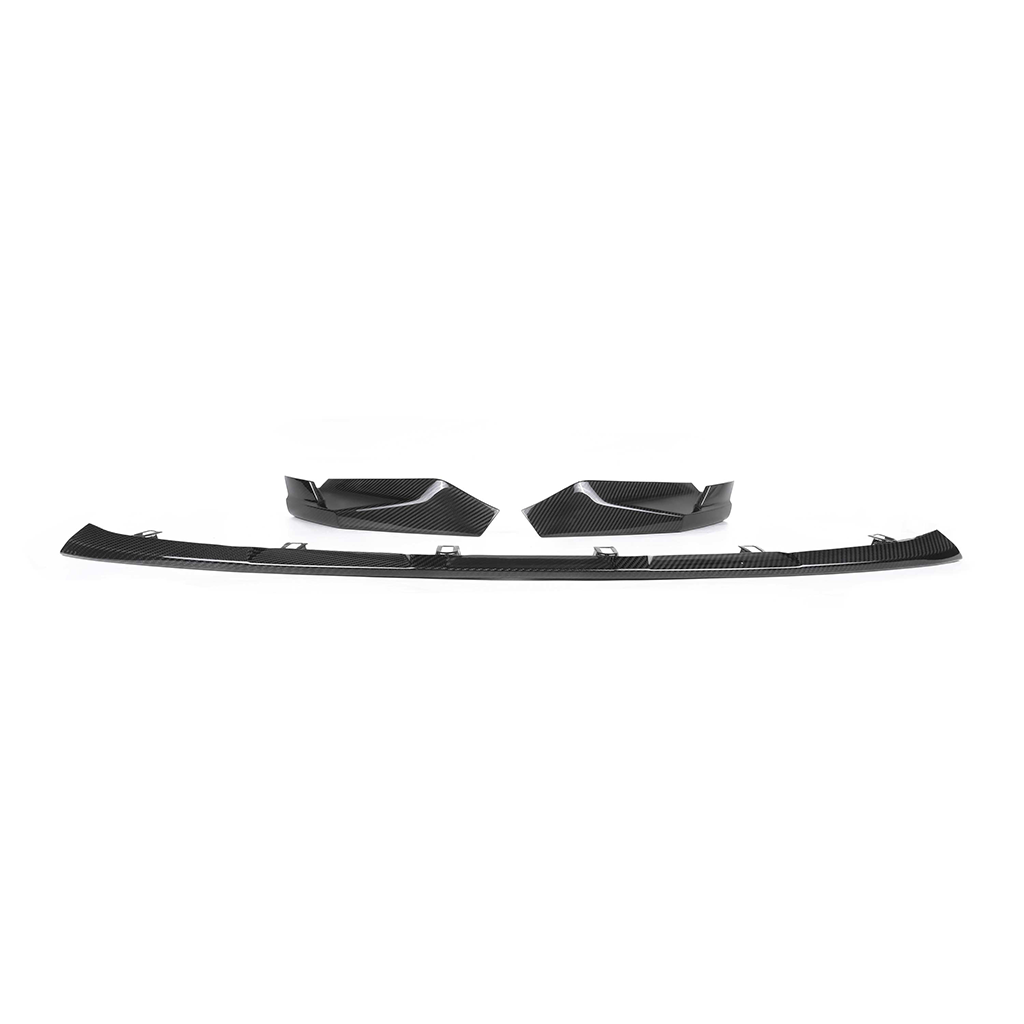
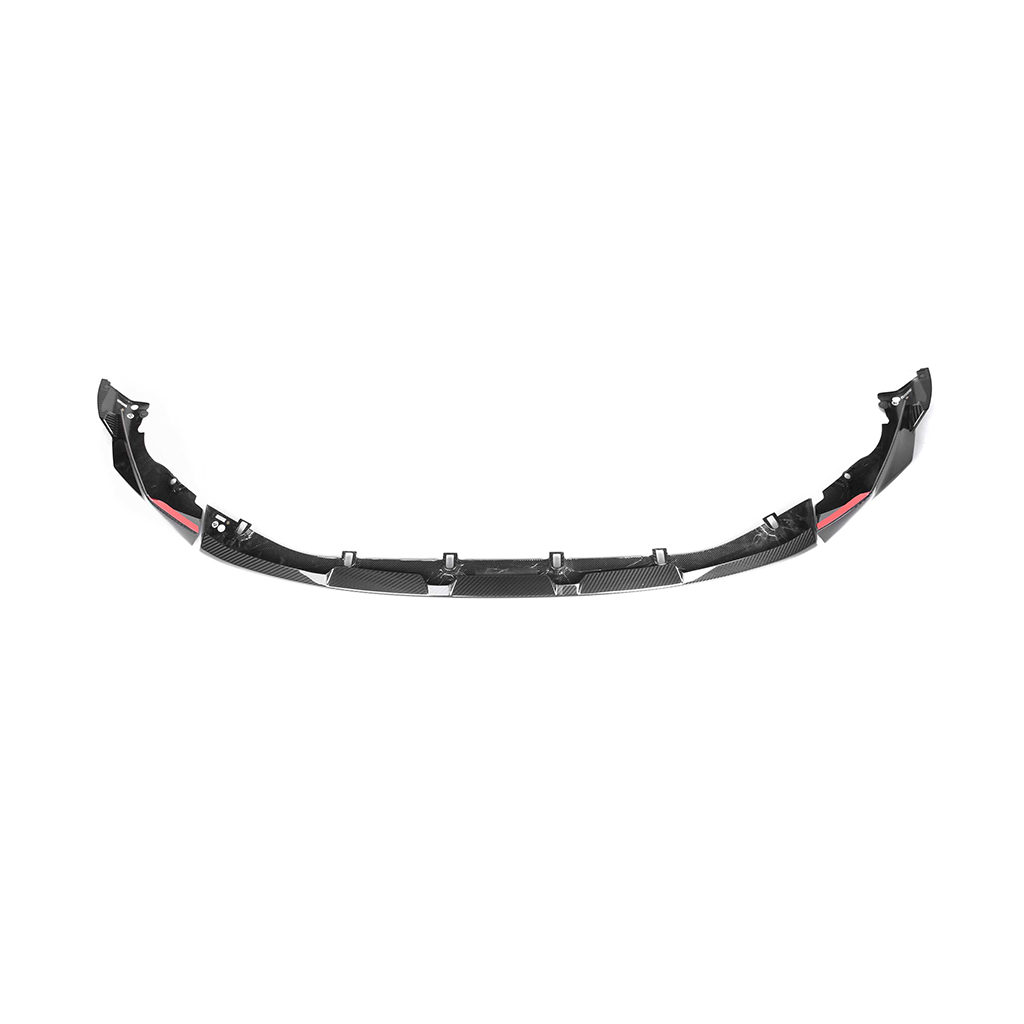
Splitters and diffusers are vital for maintaining control during high-speed driving. A front splitter directs airflow to reduce lift, keeping your car grounded. Meanwhile, a rear diffuser manages air exiting from underneath the vehicle, enhancing stability. High-quality carbon fiber splitters and diffusers not only improve handling but also add a sleek finish to your car’s design. These components are popular among enthusiasts for their ability to combine functionality with aesthetics.
Body Panels and Hoods
Lightweight Hoods for Engine Performance
Carbon fiber hoods are a game-changer for engine performance. They weigh significantly less than traditional materials, allowing more energy to focus on acceleration rather than lifting the vehicle. This weight reduction also improves handling and stability. High-quality carbon fiber hoods provide a glossy finish that complements your car’s modern look while enhancing its performance.
Doors and Fenders for Weight Reduction
Switching to carbon fiber doors and fenders reduces your car’s overall weight, improving both speed and fuel efficiency. These components also enhance crashworthiness, ensuring safety without compromising performance. Carbon fiber body panels, including doors and fenders, are a staple in the carbon fiber parts industry for their durability and aesthetic appeal.
Trusted Brands in 2025
Overview of Standout Products
In 2025, the carbon fiber parts industry continues to innovate with high-quality carbon fiber performance parts. Leading brands focus on creating components that balance functionality and style. Their products often feature a flawless finish, ensuring they meet the demands of both performance enthusiasts and design-conscious drivers.
Quality and Fitment Analysis
When evaluating carbon fiber auto parts, you should consider their material type and fitment. OEM carbon fiber components guarantee a perfect fit, as they are designed for specific vehicles. Aftermarket carbon fiber parts vary in fitment quality, with high-quality brands offering precision engineering. The table below highlights the specific strength and stiffness of carbon fiber compared to other materials:
|
Material Type |
Specific Strength (KSI) |
Specific Stiffness (MSI) |
|---|---|---|
|
Carbon Fiber |
1800 |
200 |
|
Aluminum |
350 |
100 |
|
Steel |
417 |
100 |
Pricing and Value for Money
Carbon fiber auto parts range in price depending on their quality and brand reputation. While high-quality carbon fiber components may cost more upfront, their durability and performance benefits make them a worthwhile investment. Always compare pricing and reviews to ensure you get the best value for your money.
Customer Reviews and Feedback
Key Insights from Customer Experiences
Performance Improvements and Satisfaction
Many sports car enthusiasts report noticeable performance gains after upgrading to carbon fiber components. You can expect better acceleration, improved handling, and enhanced stability. For example, lightweight carbon fiber hoods and doors reduce your car’s weight, allowing for quicker response times and sharper cornering. Customers also praise the sleek fit and finish of these parts, which elevate the overall aesthetic of their vehicles.
Challenges with Installation and Fitment
While carbon fiber components offer numerous benefits, some users face challenges during installation. Fitment issues are a common concern, especially with aftermarket parts. Poorly fitting components can lead to gaps or misalignment, which may affect both performance and appearance. To avoid this, you should prioritize brands known for perfect fitment and precision engineering. Consulting a professional installer can also help ensure a seamless fit.
Long-term Durability and Maintenance
Carbon fiber parts are highly durable, but they require proper care to maintain their performance and appearance. Customers often highlight the importance of regular cleaning to prevent damage from dirt and debris. Some users also recommend applying protective coatings to preserve the glossy finish. With proper maintenance, you can enjoy the long-term benefits of carbon fiber without compromising its structural integrity.
Positive and Negative Feedback
Examples of Highly Rated Components
Several carbon fiber products stand out for their quality and innovation. Customers frequently praise components that combine performance with sustainability. Examples include kayak models featuring plant-based resins and upcycled aerospace carbon fiber fabrics. These products demonstrate how advanced materials can deliver both functionality and eco-friendliness.
Common Complaints and How Brands Address Them
Fitment remains one of the most common complaints among customers. Misaligned parts or poor fit and finish can detract from the overall experience. Leading brands address these issues by improving manufacturing precision and offering detailed installation guides. Some companies also provide warranties to ensure customer satisfaction. By choosing trusted brands, you can minimize these challenges and enjoy a hassle-free upgrade.
Buying Guide for Carbon Fiber Body Components in 2025
Factors to Consider
Compatibility with your car model
When selecting carbon fiber components, ensuring compatibility with your vehicle is crucial. Parts designed specifically for your car model guarantee a proper fit, which enhances both functionality and appearance. Poorly fitting components can disrupt aerodynamics and reduce performance. Always verify that the parts you choose are tailored to your car’s make and model to achieve an OEM fit.
Budget and cost-effectiveness
Setting a clear budget helps you balance performance upgrades with affordability. Carbon fiber components vary in price based on quality, grade, and manufacturing techniques. To ensure good value, compare prices from multiple suppliers and consider any additional costs, such as installation or maintenance. Bulk purchases may also offer discounts, making them a cost-effective option for larger projects.
Intended use (performance vs. aesthetics)
Your goals for upgrading should guide your choices. If you prioritize performance, focus on lightweight components like hoods or splitters that improve speed and handling. For aesthetics, opt for visible parts like spoilers or body panels with a sleek carbon fiber finish. Understanding your needs ensures you select parts that align with your objectives.
Tips for Making the Right Choice
Researching brand reputation and reviews
Before purchasing, research the reputation of brands and read customer reviews. High-quality carbon fiber parts often come from trusted manufacturers with a history of delivering durable and well-designed products. Reviews provide insights into real-world performance and fitment, helping you make an informed decision.
Consulting professionals for installation
Installing carbon fiber components requires precision. Consulting a professional ensures proper alignment and fitment, which maximizes performance and maintains the structural integrity of your vehicle. Professional installation also reduces the risk of damage during the process, saving you time and money in the long run.
Checking warranties and return policies
Warranties and return policies protect your investment. A warranty ensures that you can replace or repair defective parts, while a flexible return policy allows you to address fitment issues. Always review these terms before purchasing to avoid unexpected costs and ensure peace of mind.
Tip: Balancing weight reduction with structural integrity is key when choosing carbon fiber parts. Lightweight materials improve performance, but they must also maintain durability for long-term use.
Carbon fiber body components offer unmatched advantages for sports cars. These include being five times lighter than steel, improving fuel efficiency, and enhancing speed and handling. Their high strength-to-weight ratio ensures durability without adding unnecessary weight. Additionally, their heat resistance and aesthetic appeal make them a reliable and stylish choice for automotive upgrades.
When considering components in 2025, focus on trusted manufacturers offering high-performance materials. For example:
|
Manufacturer |
Notable Carbon Fiber Products |
|---|---|
|
Toray Industries |
T300, T700, T800 |
|
Mitsubishi Chemical |
M40J, M60J |
|
Solvay |
SPX carbon fiber range |
To make an informed purchase, prioritize compatibility with your car model, research brand reputation, and consult professionals for installation. By choosing wisely, you can enjoy the perfect balance of performance, durability, and style.



Share:
How Carbon Fiber Air Ducts Improve Engine Efficiency in Racing
BMW Carbon Fiber Scratch Repair Tips You Need