
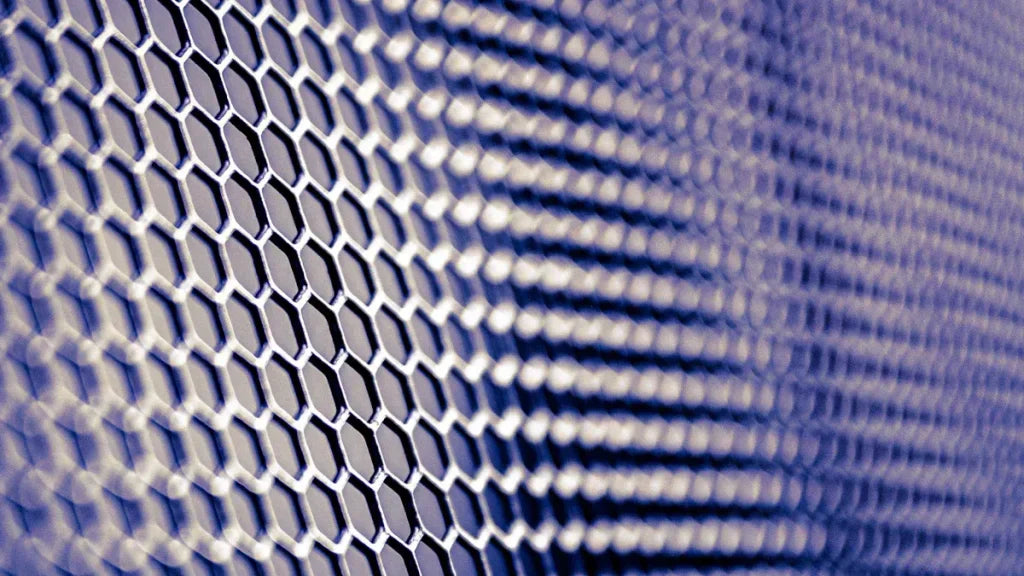
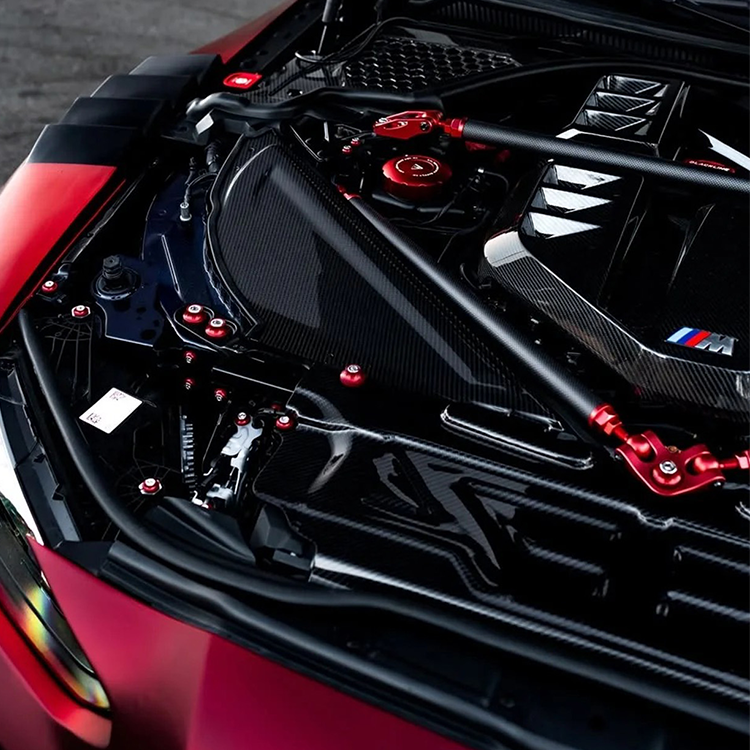
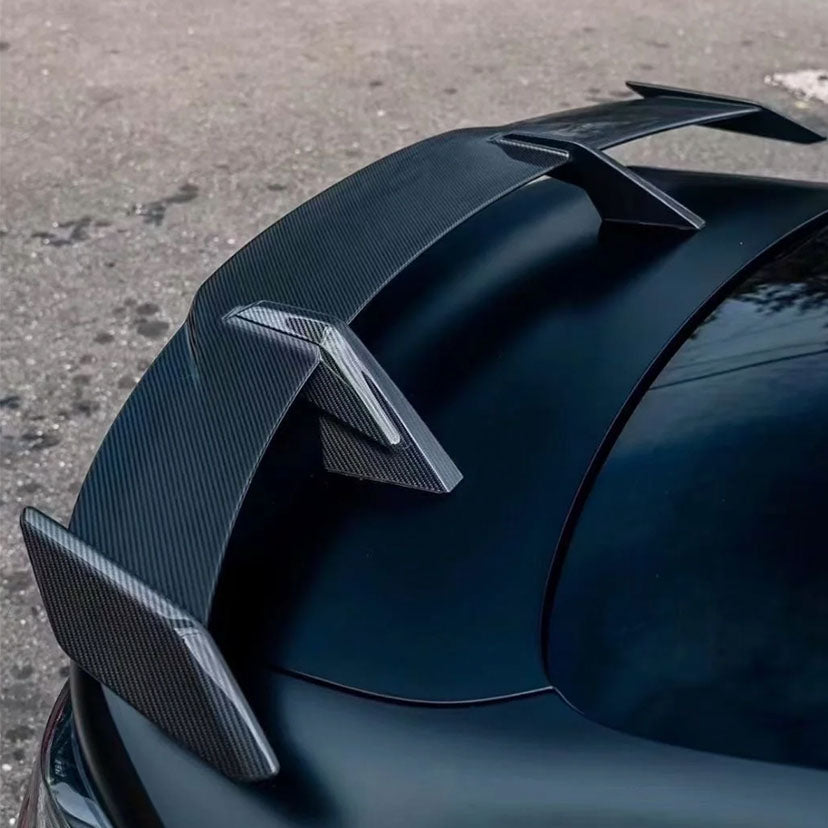
BMW cars are special because they utilize a BMW-specific carbon weave pattern matching that enhances both aesthetics and performance. These carbon fiber weaves not only improve the car’s appearance but also provide numerous advantages. For instance, the use of carbon fiber fabric makes vehicles lighter, which helps save fuel and ensures a smoother driving experience. Additionally, carbon fiber is incredibly strong and durable, allowing the car to withstand various conditions.
Car manufacturers are increasingly adopting carbon fiber to reduce weight and improve fuel efficiency.
BMW employs unique carbon weave patterns to give their cars a sleek and modern look. The global market for automotive carbon fiber is rapidly expanding, projected to grow from $24.13 billion in 2022 to $64.05 billion by 2032. This trend indicates that carbon fiber is significantly shaping the future of the automotive industry.
Key Takeaways
-
BMW uses special carbon fiber patterns to improve how cars look and work.
-
The plain weave is light and cheap, great for parts like seat backs and dashboards.
-
Twill weave is strong and bendable, good for roofs and spoilers on fast cars.
-
Harness satin weaves are shiny and flexible, perfect for smooth designs and aerodynamic parts.
-
Spread tow carbon fiber weaves are light and strong, helping BMW’s M series go faster and use less fuel.
Plain Weave in BMW Vehicles
Appearance
The plain weave has a simple checkerboard design. This pattern comes from fibers crossing over and under each other. You can see this design in many BMW parts. Its neat look adds a stylish touch to the car.
Properties
The plain weave is very stable and holds its shape well. It keeps its fiber direction and angle steady. This makes it strong in all directions, great for flat or simple shapes. But it’s not flexible enough for curvy or complex parts.
Advantages
The plain weave is affordable because it’s easy to make. Its low cost makes it a good choice for less important car parts. It’s also lightweight, which helps save fuel while staying strong.
-
Main benefits of the plain weave in BMW cars:
-
Lightweight design for better fuel efficiency.
-
Strong and balanced, perfect for simple parts.
-
Classic checkerboard look for added style.
-
BMW uses plain weave carbon fiber in non-structural areas. For example, it’s found in seat backs, speaker covers, and dashboard trims. These uses show how it combines function and style effectively.
Applications
The plain weave is important for BMW’s interior and non-structural parts. It’s used where lightweight materials are needed, but strength isn’t the main focus. Its even strength and simple checkerboard pattern make it useful and stylish for many car parts.
BMW uses plain weave carbon fiber in different interior pieces. For example, it’s often seen in seat backs. Its light weight helps lower the car’s overall weight. This improves fuel efficiency and makes driving smoother. The plain weave is also great for speaker grills. It looks sleek and stays strong. Its neat pattern adds elegance to dashboard trims, combining style with function.
Here are common places where BMW uses plain weave:
-
Seat backs
-
Speaker grills
-
Dashboard trims
These uses show how the plain weave mixes usefulness and style. Its light weight is perfect for non-essential areas, and its classic look improves the car’s interior design. By using plain weave carbon fiber, BMW ensures every detail adds to the car’s performance and beauty.
The plain weave is flexible and affordable, making it a favorite for non-structural parts. You’ll see how it balances low cost with great design, keeping every BMW part up to the brand’s high standards.
Twill Weave and BMW-Specific Carbon Weave Pattern Matching
Appearance
The twill weave has a slanted, diagonal design. This pattern gives BMW cars a stylish and modern look. It is made by fibers crossing over and under in a staggered way. This creates the unique “twill line” design. Unlike the plain weave’s checkerboard style, twill weave looks more elegant and lively. It is often used for both inside and outside parts of BMW cars.
Properties
Twill weave is stronger and more flexible than plain weave. Its diagonal design helps it handle stress better. This makes it great for high-performance car parts. It spreads out forces evenly, lowering stress on any one spot. Even though it is strong, it stays lightweight, which is important for cars. Its flexibility also allows it to fit complex shapes perfectly.
|
Property |
Twill Weave |
Plain Weave |
|---|---|---|
|
Resistance to External Stresses |
Stronger due to diagonal design |
Weaker resistance |
|
Force Distribution |
Spreads forces better |
Less effective at spreading forces |
|
Weight |
Lightweight |
Heavier |
|
Conformity to Contours |
More flexible and stable |
Less flexible |
Variations
2×2 Twill
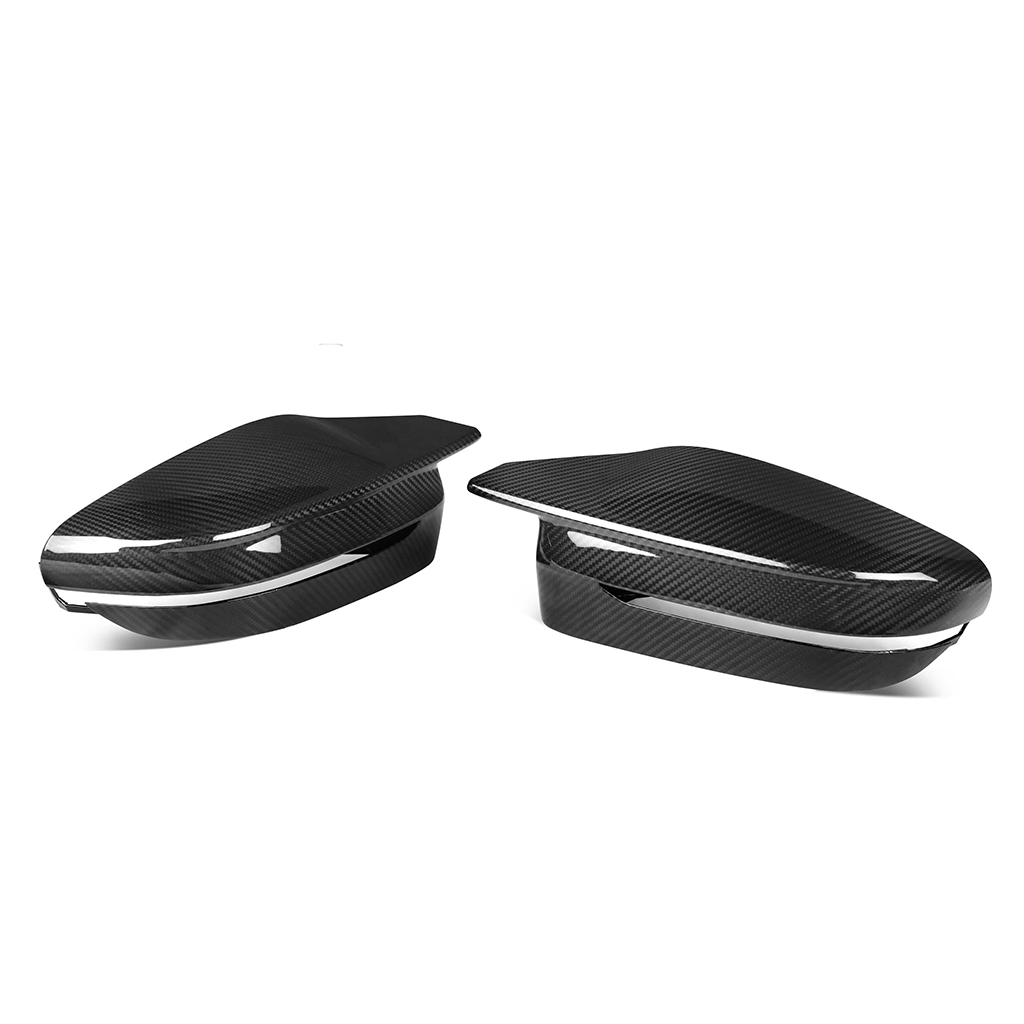
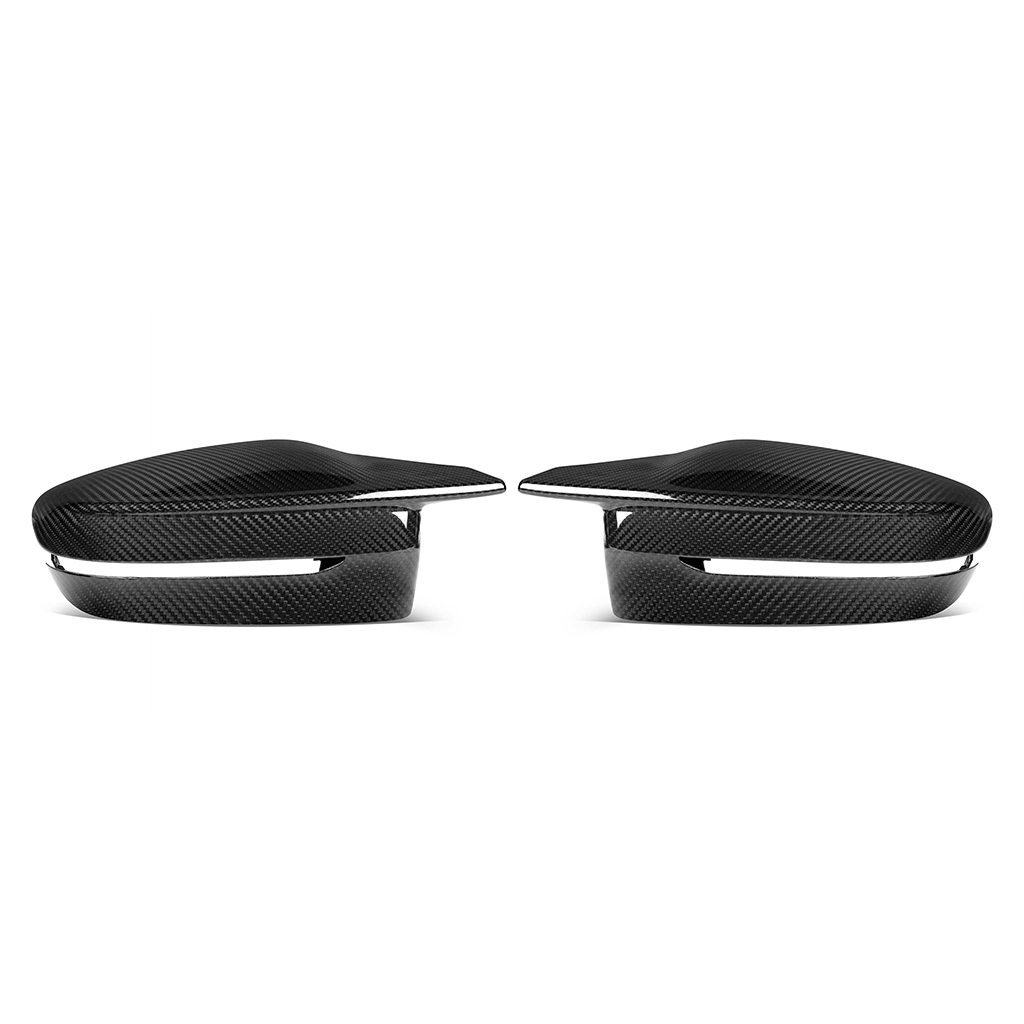
The 2×2 twill is the most common type in BMW cars. It has a pattern where fibers go over two and under two threads. This makes it look balanced and feel strong. It also reduces crimping, which improves its strength and stability. Its flexibility makes it perfect for detailed parts like roofs, mirrors, and spoilers.
4×4 Twill
The 4×4 twill has a tighter pattern, with fibers going over four and under four threads. This design adds more crimps, making it tougher for general car parts. However, it is less flexible than the 2×2 twill. It works better for simple shapes or areas needing extra strength.
|
Feature |
2×2 Twill |
4×4 Twill |
|---|---|---|
|
Interlace Pattern |
Over 2, under 2 threads |
Over 4, under 4 threads |
|
Crimp Reduction |
Fewer crimps, stronger fabric |
More crimps, slightly weaker fabric |
|
Fabric Stability |
Very stable, fits curves well |
Stable, but less flexible |
|
Application Suitability |
Best for detailed car parts |
Good for general car parts |
The twill weave and its types show BMW’s special carbon weave designs. It combines strength, flexibility, and beauty. This ensures every part works well and looks great in BMW vehicles.
Applications
Commonly used for exterior parts like roofs, spoilers, and mirrors.
BMW uses twill weave carbon fiber in many outside car parts. This material improves how the car looks and performs. You can find it in roofs, spoilers, and side mirrors. These parts gain strength and style from the twill weave.
The slanted fiber design of the twill weave makes it stronger against outside forces. This is great for parts that face impacts or fast speeds. For example, roofs made with this material handle wind pressure better when driving fast. Spoilers, which help with airflow, use it for its strength and light weight. Side mirrors, which deal with weather and debris, stay tough and stylish thanks to the twill weave.
Twill weave carbon fiber also spreads out stress evenly. This is important for lightweight parts like spoilers and hoods. By spreading stress, it lowers the chance of damage. Its light weight also helps the car perform better by reducing overall weight. This improves gas mileage and makes driving smoother and easier.
Here’s why BMW picks twill weave for outside parts:
-
Strength: Handles outside forces well.
-
Force Distribution: Spreads stress evenly to prevent damage.
-
Lightweight: Great for parts like spoilers and mirrors.
When you see a BMW with twill weave carbon fiber, you’re seeing a mix of smart design and style. The material adds a cool diagonal look and helps the car work better. Whether it’s the roof, spoiler, or mirrors, twill weave makes BMW cars strong and attractive.
Harness Satin Weaves in BMW Design
Appearance
Harness satin weaves have a shiny, smooth surface. This texture hides patterns, giving a clean and fancy look. The glossy finish reflects light, making BMW cars more stylish. You’ll see this weave in places where looks matter, like trims and consoles. Its classy design adds elegance to the car’s interior.
Properties
Harness satin weaves are very flexible and easy to shape. This makes them great for tricky car designs. Unlike other weaves, they can bend into complex shapes without losing strength. This is helpful for parts that need exact molding. The weave is also strong under pressure, making it dependable for tough uses.
|
Aspect |
Description |
|---|---|
|
Warp Face Recognition |
Important for matching layers and keeping panels stiff. |
|
Yarn Count |
Shows yarns per inch; harness satin has a main face for stiffness. |
|
Flexural Stiffness |
Satin weaves are stiffer along the outer fibers, unlike plain weaves. |
Variations
4HS (Four-Harness Satin)
The 4HS type balances strength and flexibility. It works well for parts needing some bending and durability. This weave is good for designs that need to be both strong and adaptable.
8HS (Eight-Harness Satin)
The 8HS type is the most flexible, perfect for detailed shapes. It bends easily into complex forms, making it ideal for aerodynamic parts.
-
Key features of harness satin weaves:
-
Great for shaping into tricky designs.
-
Higher harness counts, like 8HS, offer more flexibility.
-
Perfect for detailed car parts needing strength and formability.
-
Harness satin weaves mix beauty and usefulness, fitting BMW’s design goals. Their shiny look and flexible nature ensure every car detail is both stylish and high-performing.
Applications
Used in parts needing airflow and detailed shaping.
Harness satin weaves are important for BMW’s aerodynamic parts. These materials help reduce air resistance and improve airflow. Their smooth texture and flexibility make them great for shaping into detailed designs. This ensures every curve of the car helps it perform better.
Parts like spoilers, diffusers, and air intakes often use harness satin weaves. These areas face fast-moving air, so they need to be light and strong. The satin weave stays tough under pressure and keeps its shape. Its shiny surface also makes the car look sleek and stylish.
For detailed designs, harness satin weaves work very well. You’ll see them in places like interior trims or consoles. Their flexibility helps them fit into tricky shapes while staying durable. This ensures even the most detailed parts stay strong and last long.
Tip: Designers love satin weaves for high-performance cars. They combine strength, flexibility, and style to meet BMW’s high standards.
Here’s where BMW uses harness satin weaves:
-
Spoilers: Helps the car move through air smoothly.
-
Diffusers: Improves airflow under the car.
-
Air Intakes: Keeps the engine cool and working well.
-
Interior Trims: Adds a shiny, classy look to the cabin.
By using harness satin weaves, BMW combines function and style. These materials make sure every part, inside and out, adds to the car’s quality.
Spread Tow Carbon Fiber Weaves
Appearance
Spread Tow Carbon Fiber Weaves have a simple and clean look. The fibers are wider and flatter than regular weaves. This creates a smooth surface that looks modern and stylish. The flat fibers also make the surface finish better. This is perfect for BMW’s high-performance cars, where looks and function are both important.
|
Evidence Description |
Key Points |
|---|---|
|
Spread tow fibers are straighter than normal bundled fibers. |
This improves load-carrying ability, surface finish, and style. |
|
PrimeTex fabrics use spreading tech to close weave gaps. |
This boosts strength, surface quality, and gives a sleek appearance. |
Properties
Spread Tow Weaves are very strong and stiff because they have less crimping. The straighter fibers help transfer loads better and spread resin evenly. This makes the material handle stress well and stay strong. It also resists impacts by spreading energy over a larger area. This keeps it durable even in tough conditions.
|
Performance Benefit |
Description |
|---|---|
|
Better Load Transfer |
Straighter fibers improve load sharing and resin distribution. |
|
Impact Resistance |
Energy spreads across more fibers, absorbing impacts better. |
|
Higher Stiffness |
Parts are up to 20% stiffer with less crimping. |
|
Damage Tolerance |
Spread tow laminates handle stress and impacts better. |
|
Custom Material Properties |
Can adjust weight and crack resistance for specific needs. |
Advantages
Spread Tow Weaves are lightweight, making them great for performance cars. They reduce weight, which improves fuel efficiency and handling. For example, parts made with spread tow can be 20% lighter than regular composites. This is especially important for BMW M series cars, where every bit of weight matters.
Tip: Spread Tow Weaves are not just strong—they also look sleek, making them ideal for BMW’s luxury designs.
Unordered List of Key Advantages:
-
Better load transfer with even resin distribution.
-
Stronger impact resistance by spreading energy across fibers.
-
Up to 20% stiffer parts with reduced crimping.
-
Handles stress and damage better after impacts.
-
Customizable for specific car part needs.
BMW uses Spread Tow Carbon Fiber Weaves to stay innovative. These weaves are lightweight, strong, and stylish. They ensure every detail improves the car’s performance and design.
Applications
Used in BMW M series for lighter weight and better aerodynamics.
Spread Tow Carbon Fiber Weaves are key in BMW’s M series cars. These weaves make the car lighter and improve how it moves through air. They are used in important parts where performance is critical.
One main use is in roof panels. By using Spread Tow Carbon Fiber instead of heavier materials, BMW lowers the car’s center of gravity. This makes the car more stable and easier to control, especially on sharp turns. The lighter roof also helps the car go faster and use less fuel.
Another important use is in aerodynamic parts like spoilers and diffusers. These parts face strong air pressure when driving fast. Spread Tow Carbon Fiber keeps them strong and light. This helps the car move through air smoothly, improving speed and saving fuel.
Fun Fact: Cutting a car’s weight by 10% can boost fuel efficiency by 6-8%. That’s why lightweight materials like Spread Tow Carbon Fiber are so valuable in fast cars.
You’ll also find this material in structural supports. For example, it’s used in the car’s frame to add strength without making it heavy. This keeps the car safe and fun to drive.
Main benefits of Spread Tow Carbon Fiber in BMW M series:
-
Lighter Weight: Helps the car go faster and handle better.
-
Better Aerodynamics: Improves airflow for smoother driving.
-
Strong and Durable: Handles stress and stays tough under pressure.
By using Spread Tow Carbon Fiber Weaves, BMW makes the M series faster, safer, and more stylish. From the roof to the spoilers, every part shows BMW’s focus on top performance and design.
Uni-Directional Carbon Fiber Weaves
Appearance
Uni-directional carbon fiber has a straight, smooth design. The fibers all go in one direction, giving it a clean and modern style. This simple look fits well with BMW’s high-performance cars. Its sleek texture adds a classy touch to important car parts.
Properties
This weave is very strong in one direction. The fibers work together to handle stress along their alignment. This makes it perfect for parts that carry heavy loads. Unlike other weaves, it focuses on strength in a single direction. This helps it perform well under specific forces, like in crash zones or chassis supports. The strong fibers make it durable and able to handle tough conditions.
|
Property |
Description |
|---|---|
|
Directional Strength |
Very strong in one direction, great for heavy loads. |
|
Stress Handling |
Designed to handle force in specific areas. |
|
Durability |
Strong fibers make it last a long time. |
Advantages
Uni-directional carbon fiber is lightweight but very strong. It’s a great choice for parts that need to be sturdy. Its stiffness keeps the car stable and safe. By focusing strength in one direction, it reduces extra weight while staying strong. This improves how the car performs and keeps it safer.
Tip: Engineers pick uni-directional weaves for parts that need to handle heavy forces, like crash zones. This design makes them reliable and efficient.
Key benefits of uni-directional carbon fiber:
-
Lightweight but very strong for better performance.
-
Stiff and stable for critical car parts.
-
Perfect for load-bearing areas with strong fibers.
BMW uses this weave in parts where strength and accuracy matter most. Its special features help make the car safer and perform better.
Applications
Found in key parts like chassis supports and crash zones
Uni-directional carbon fiber is vital for BMW’s strong car parts. It is used in areas like chassis supports and crash zones, where strength and accuracy are crucial. This material helps keep the car safe and working well in tough situations.
The chassis is the car’s main frame. It holds the car’s weight and handles forces while driving. Uni-directional carbon fiber strengthens the chassis by aligning fibers with the force direction. This makes the car more stable and lighter. A lighter chassis improves fuel use and makes steering easier.
Crash zones are another important use for this material. These parts take in energy during crashes to protect passengers. Uni-directional carbon fiber spreads the crash force along its fibers, lowering damage inside the car. Its lightweight yet strong design keeps these parts protective without adding extra weight.
Did you know? A good crash zone can cut collision force by 50%, making passengers much safer.
BMW uses this material to build durable and smart parts. For example, side beams and front reinforcements often use uni-directional carbon fiber. These parts handle specific forces to keep the car safe during accidents.
Why uni-directional carbon fiber works well for structural parts:
-
Directional Strength: Handles heavy forces with ease.
-
Lightweight Build: Lowers the car’s total weight.
-
Crash Protection: Absorbs impact to keep passengers safe.
By using uni-directional carbon fiber, BMW ensures its structural parts are safe and high-performing. This technology keeps you protected while improving your driving experience.
BMW’s smart use of carbon fiber wraps shows their focus on making cars better and more unique. By picking the right weaves, BMW makes sure each car is strong, long-lasting, and stylish. For instance, the Carbon Cage design in the iX series mixes carbon fiber vinyl film with metals. This mix cuts the car’s weight by 176 pounds compared to regular materials. This lighter design helps the car move through air better and improves how it drives.
More high-performance cars are using carbon fiber wraps because they save fuel and make driving safer. BMW uses advanced materials like 3d carbon fiber wrap and 6d carbon fiber wrap to meet the need for lighter, more efficient cars. Whether it’s a 4d carbon fiber wrap for the outside or a 5d carbon fiber wrap for the inside, these wraps change how cars look and perform.
Note: Carbon fiber wraps not only make BMW cars work better but also make them look amazing, keeping BMW a leader in car design.
Performance Metrics Table:
|
Metric |
Value |
|---|---|
|
Vehicle Range |
Up to 300 miles per charge |
|
Curb Weight |
5,659 pounds (2,566 kilograms) |
|
Weight Savings |
176 pounds (80 kilograms) lighter than the X5 |
|
Stiffness Improvement |
Increased body stiffness |
|
Weight Savings per Part |
5 kilograms (11 pounds) compared to steel |
BMW’s focus on carbon fiber keeps their cars safe, stylish, and high-performing. Drivers enjoy top materials that make every ride better and more fun.


Share:
Why ISO 9001 Certification Matters for Carbon Fiber Layup
The Best E92 M3 Carbon Interior Kits for Enthusiasts in 2025