


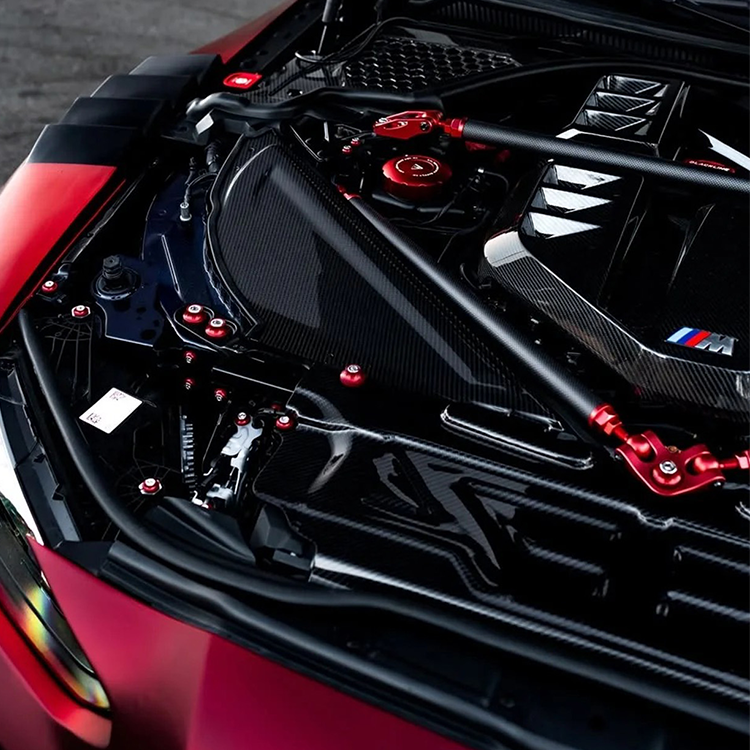
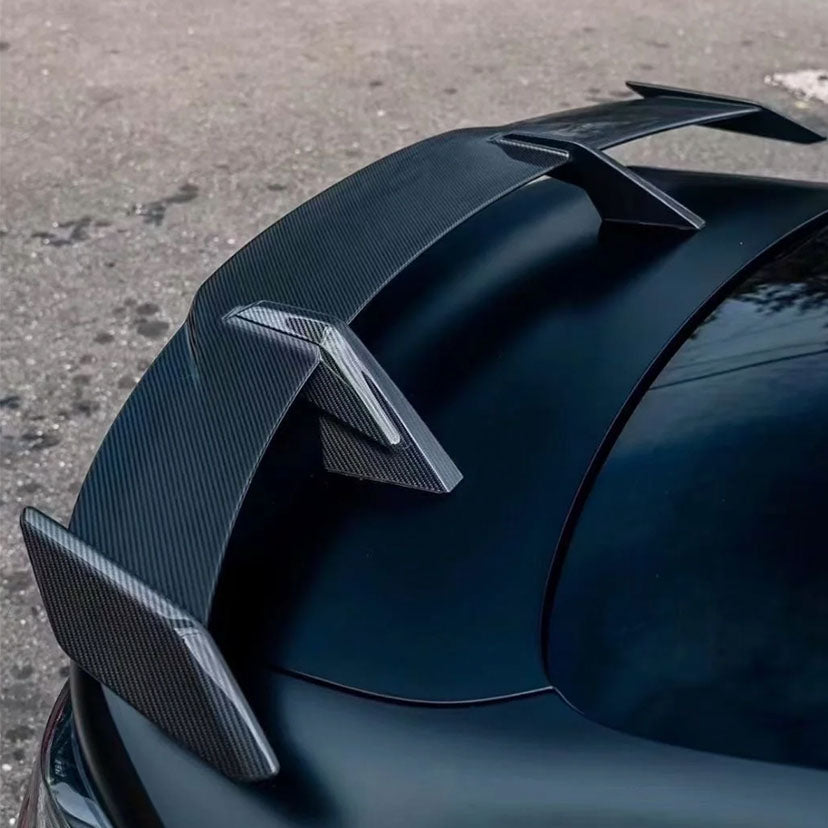

When choosing between carbon fiber vehicle panels and fiberglass for your automotive needs, you must consider factors like performance, cost, and durability. Carbon fiber vehicle panels stand out as a high-performance material due to their lightweight properties and exceptional strength. They are about 15% lighter than fiberglass, making them ideal for lightweight vehicles and race-purpose vehicles. Fiberglass, on the other hand, offers versatility and affordability, which makes it a popular choice in the automotive industry.
Carbon fiber vehicle panels are commonly used in high-performance applications such as aerospace and motorsports. Their strength-to-weight ratio is nearly twice that of fiberglass, ensuring superior durability and vehicle performance. However, fiberglass remains a cost-effective option for body panels, especially when budgets are tight. For example, a project with Volkswagen demonstrated that a glass fiber SUV liftgate is 36% lighter than steel while reducing recurring costs by 9%. Understanding these differences will help you select the right material for your needs.
Key Takeaways
-
Carbon fiber panels are lighter and tougher than fiberglass. They are great for fast, high-performance cars.
-
Fiberglass costs less and is simpler to use. It works well for projects with smaller budgets.
-
Think about how the vehicle will be used. Fiberglass handles impacts better, but carbon fiber is stronger and lighter.
-
Decide what matters most: pick carbon fiber for speed and efficiency, or fiberglass for flexibility and saving money.
-
Both materials affect the environment. Fiberglass is usually greener since it uses less energy to make.
Overview of Carbon Fiber and Fiberglass
What is Carbon Fiber?
Carbon fiber is a lightweight yet incredibly strong material made from thin strands of carbon atoms. These strands are woven into fabric and combined with resin to create rigid panels. The manufacturing process involves several steps:
-
Fiber Spinning: Acrylonitrile plastic is transformed into fibers through a chemical bath.
-
Stabilization: The fibers are heated to alter their bonding pattern.
-
Carbonization: The fibers are heated in an oxygen-free furnace to form carbon crystals.
-
Curing: Resin is applied and cured with heat to bond the fibers.
Two common methods for shaping carbon fiber include Hand Layup, which requires skilled labor, and Automated Fiber Placement (AFP), a modern, automated process. Carbon fiber is nearly 15% to 20% lighter than fiberglass, making it ideal for weight-sensitive applications like race cars and aerospace components.
What is Fiberglass?
Fiberglass is a composite material made by combining glass fibers with resin. It is known for its versatility and affordability. The production process includes:
-
Material Selection: Choosing resins (polyester, epoxy) and fiberglass forms (mats, fabrics).
-
Mold Preparation: Using release agents and gelcoat for precision.
-
Lamination: Methods like hand lay-up or vacuum infusion create the desired shape.
-
Curing: The resin hardens at room temperature or in an oven.
-
Finishing: Trimming, sanding, and polishing ensure a smooth surface.
Fiberglass is heavier than carbon fiber but remains a cost-effective option for vehicle panels.
Key Differences Between Carbon Fiber and Fiberglass
When comparing fiberglass vs carbon fiber, you’ll notice significant differences in strength, weight, and cost. Carbon fiber has a tensile strength of approximately 500,000 psi, while fiberglass measures around 350,000 psi. This makes carbon fiber nearly 16% stronger. Additionally, carbon fiber has a strength-to-weight ratio of 1013, almost double that of fiberglass at 564.
|
Material |
Tensile Strength (psi) |
Strength-to-Weight Ratio |
|---|---|---|
|
Carbon Fiber |
500,000 |
1013 |
|
Fiberglass |
350,000 |
564 |
However, fiberglass is more affordable and easier to work with, making it a practical choice for budget-conscious projects. Carbon fiber, on the other hand, excels in high-performance applications where weight and strength are critical.
Key Comparison Factors
Weight Comparison
When it comes to weight, carbon fiber outshines fiberglass. It weighs about 70% less than fiberglass, giving it a significant advantage in applications where reducing weight is critical. For vehicle panels, this translates to a weight difference of approximately 15% for similar components. This lightweight property allows manufacturers to use less material while maintaining structural integrity.
The weight of a vehicle directly impacts its performance and fuel efficiency. Heavier vehicles require more energy to accelerate, maintain speed, and brake. This increases fuel consumption and places additional strain on the engine. By choosing carbon fiber panels, you can reduce the overall weight of your vehicle, improving fuel efficiency and handling.
Strength and Durability
Carbon fiber offers enhanced strength compared to fiberglass. It boasts high tensile strength, making it stronger than steel and resistant to corrosion. Its high strength-to-weight ratio ensures excellent structural integrity, even under stress. The production process and fiber orientation further influence its durability, allowing it to withstand harsh environments. However, exposure to strong oxidizing agents can affect its performance.
Fiberglass, while not as strong as carbon fiber, remains a durable and cost-effective material. It provides sufficient structural integrity for many automotive applications. However, it is heavier and less resistant to environmental factors, which may limit its use in high-performance vehicles.
Cost Considerations
Fiberglass is a cost-effective alternative to carbon fiber. Its widespread use and simpler manufacturing process make it a durable and cost-effective material for vehicle panels. On average, you’ll pay three to five times more for carbon fiber parts compared to fiberglass. However, carbon fiber’s high strength-to-weight ratio and lightweight properties justify the higher cost in performance-focused applications.
For budget-conscious projects, fiberglass remains the practical choice. It balances affordability with adequate strength and durability, making it ideal for general-purpose automotive needs.
Flexibility and Impact Resistance
When choosing between carbon fiber and fiberglass, understanding their flexibility and impact resistance is crucial. These properties determine how well the material performs under stress or sudden force.
Fiberglass offers superior impact resistance and flexibility. It can absorb shocks effectively, making it less likely to crack or shatter. This quality makes fiberglass a reliable choice for vehicle panels that may encounter minor collisions or debris. Additionally, fiberglass can be molded into various shapes, enhancing its adaptability for different designs and applications.
Carbon fiber, on the other hand, is known for its strength and stiffness. However, it lacks the flexibility of fiberglass. While it excels in maintaining structural integrity under normal conditions, it can shatter upon high-impact force. This brittleness makes it less suitable for scenarios where frequent impacts are expected. Despite this limitation, carbon fiber remains a top choice for high-performance vehicles due to its lightweight and strength.
Tip: If your vehicle is likely to face rough conditions or frequent impacts, fiberglass panels may be the better option. For performance-focused applications, carbon fiber’s lightweight and strength might outweigh its lower impact resistance.
Aesthetic Appeal
Both carbon fiber and fiberglass offer a range of aesthetic customization options, allowing you to tailor the look of your vehicle panels to your preferences.
Fiberglass panels provide versatility in finishes and colors. You can choose from high-gloss, satin, semi-gloss, or matte finishes. Additionally, fiberglass can be colored or marbled, giving you creative freedom to match your vehicle’s style. Molded parts and high-performance adhesives further enhance its design potential.
Carbon fiber panels, while less flexible in design, exude a premium and modern appearance. They are often available in high-gloss finishes, which highlight the unique weave patterns of the material. You can also order custom weaves, such as plain or twill, to achieve a distinctive look. Single-sided gloss panels are another option for those seeking a sleek finish.
Note: If aesthetics are a priority, consider the visual appeal of carbon fiber’s weave patterns. For more diverse design options, fiberglass offers greater flexibility.
Performance in Specific Conditions
Thermal Expansion and Heat Resistance
Understanding how materials respond to heat is crucial for vehicle panels. Carbon fiber and fiberglass differ significantly in their thermal expansion properties. Carbon fiber exhibits a low coefficient of thermal expansion (CTE), which varies based on the fiber orientation. In the direction parallel to the fibers, the CTE ranges from -1 K⁻¹ to +8 K⁻¹, making it highly stable under extreme temperatures. This stability ensures that carbon fiber panels maintain their shape and performance even in high-heat environments, such as near engines or exhaust systems.
Fiberglass, while less thermally stable, still performs well in most automotive applications. Its higher CTE compared to carbon fiber means it may expand slightly more under heat. However, fiberglass remains a reliable choice for vehicle panels that do not experience prolonged exposure to extreme temperatures. If your vehicle operates in high-heat conditions, carbon fiber offers superior durability and performance.
Corrosion Resistance
Both carbon fiber and fiberglass resist corrosion effectively, but their behavior in different environments varies. Fiberglass is non-conductive and chemically inert, making it highly resistant to corrosion in aggressive environments. This property makes fiberglass panels ideal for vehicles exposed to saltwater or harsh chemicals.
Carbon fiber, while also corrosion-resistant, can face challenges when in contact with metals. Galvanic corrosion may occur if carbon fiber panels touch metal components, especially in the presence of moisture. To prevent this, manufacturers often use insulating layers or coatings. If your vehicle operates in chemically aggressive environments, fiberglass provides better long-term reliability.
Maintenance and Repair Challenges
Maintaining and repairing vehicle panels depends on the material’s properties. Fiberglass panels are easier to repair due to their flexibility and lower cost. You can patch cracks or chips with resin and fiberglass mats, making it a practical choice for everyday vehicles.
Carbon fiber panels, on the other hand, require specialized tools and expertise for repairs. Their brittleness means that damage often necessitates complete replacement rather than repair. While carbon fiber offers unmatched strength and lightweight properties, its maintenance challenges make it less suitable for vehicles prone to frequent wear and tear.
Tip: If you prioritize ease of maintenance, fiberglass panels are a more practical option. For high-performance vehicles, carbon fiber’s advantages may outweigh its repair difficulties.
Applications and Suitability for Vehicle Panels
Carbon Fiber Vehicle Panels
Carbon fiber vehicle panels are a top choice for high-performance applications. Their lightweight nature significantly reduces the overall weight of a vehicle, which improves speed, handling, and fuel efficiency. For example, lighter vehicles require less energy to accelerate, making them more efficient and responsive. These panels also offer a high strength-to-weight ratio, ensuring excellent structural integrity without adding unnecessary bulk.
Another advantage of carbon fiber is its ability to absorb energy during collisions. This property enhances crashworthiness, making vehicles safer in accidents. Additionally, carbon fiber vehicle panels maintain their shape and performance under extreme conditions, such as high heat or stress. These qualities make them ideal for race cars, luxury vehicles, and other high-end automotive applications.
|
Advantage |
Description |
|---|---|
|
Lightweight material |
Carbon fiber is significantly lighter than steel, aiding in weight reduction. |
|
High strength-to-weight ratio |
Offers superior strength while maintaining a lower weight. |
|
Increased fuel efficiency |
Lighter vehicles require less fuel, enhancing overall efficiency. |
|
Enhanced performance |
Improves speed and handling, crucial for high-performance vehicles. |
|
Improved crashworthiness |
Excellent energy absorption enhances safety in collisions. |
Fiberglass Vehicle Panels
Fiberglass body panels are a practical and cost-effective option for many automotive needs. These panels weigh about 75% less than steel and 50% less than aluminum, which improves fuel efficiency and reduces strain on the engine. Fiberglass also offers excellent strength and durability, making it suitable for vehicles exposed to harsh environments.
One of the standout features of fiberglass body panels is their resistance to weather. They can withstand moisture, UV damage, and corrosion, ensuring they maintain their appearance over time. Additionally, fiberglass requires minimal maintenance. You won’t need to repaint or refinish these panels frequently, saving you time and money. Their aerodynamic properties also enhance vehicle handling and speed, making them a versatile choice for general-purpose vehicles.
|
Advantage |
Description |
|---|---|
|
Lightweight Construction |
Fiberglass is about 75% lighter than steel and 50% lighter than aluminum, improving fuel efficiency. |
|
Strength and Durability |
High strength-to-weight ratio, resistant to wear and tear, and able to withstand harsh environments. |
|
Low Maintenance |
Requires less upkeep, does not need frequent painting or refinishing. |
|
Resistance to Weather |
Highly resistant to moisture, UV damage, and corrosion, maintaining appearance over time. |
|
Improved Performance |
Enhances aerodynamics, leading to better handling and increased speed. |
Choosing the Right Panels for Your Needs
When deciding between carbon fiber and fiberglass body panels, consider your priorities. If you need lightweight materials for high-performance vehicles, carbon fiber vehicle panels are the best choice. They provide unmatched strength, durability, and efficiency, making them ideal for racing or luxury cars.
For budget-conscious projects or general-purpose vehicles, fiberglass body panels offer a reliable and affordable solution. They balance strength, flexibility, and resistance to environmental factors, ensuring long-lasting performance. Evaluate your vehicle’s requirements and operating conditions to select the material that aligns with your goals.
Environmental Impact and Recyclability
Environmental Impact of Carbon Fiber
Carbon fiber production has significant environmental implications. The manufacturing process consumes a large amount of energy, which increases its carbon footprint. Additionally, the production generates waste materials that can harm ecosystems if not managed properly. While carbon fiber improves fuel efficiency and reduces emissions in vehicles, its production challenges cannot be ignored. The recyclability of carbon fiber reinforced plastics (CFRP) remains limited, adding to the environmental concerns.
Did you know? Carbon fiber’s high energy consumption during production makes it less eco-friendly compared to other materials.
Environmental Impact of Fiberglass
Fiberglass production has a smaller environmental impact compared to carbon fiber. Manufacturers are adopting eco-friendly practices to reduce its footprint. For example, they are developing bio-based or recycled resins to minimize reliance on fossil fuels. Additionally, advancements in reinforcement techniques and thermal insulation solutions improve the material’s efficiency and sustainability.
|
Eco-Friendly Practices |
Description |
|---|---|
|
Eco-Friendly Resins |
Use of bio-based or recycled resins to lower emissions. |
|
Reinforcement Techniques |
Adding layers or foam cores to enhance performance. |
|
Thermal Insulation Solutions |
Incorporating insulating foam for better thermal conductivity. |
|
Efficient Production Processes |
Refining methods to make production more sustainable. |
These innovations make fiberglass a more environmentally friendly option for vehicle panels.
Recyclability of Carbon Fiber and Fiberglass
Recycling carbon fiber and fiberglass presents unique challenges. Carbon fiber recycling is still in its early stages. The process requires advanced technologies to recover fibers without compromising their quality. This limitation makes it difficult to reuse carbon fiber in new applications.
Fiberglass, on the other hand, is more recyclable. You can grind it into smaller particles for use in other products, such as construction materials. However, the recycling process for fiberglass is not yet widespread, and it often ends up in landfills. Despite these challenges, ongoing research aims to improve the recyclability of both materials, making them more sustainable in the future.
Choosing between carbon fiber and fiberglass depends on your priorities. Carbon fiber offers unmatched strength and lightweight properties, making it ideal for high-performance applications like luxury cars or aerospace components. However, its high cost, ranging from $10 to $30 per pound, limits its accessibility. Fiberglass, costing only $1 to $5 per pound, provides a more affordable and versatile option. It works well for general-purpose vehicles and applications requiring flexibility and impact resistance.
|
Material |
Cost (per pound) |
|---|---|
|
Fiberglass |
$1 to $5 |
|
Carbon Fiber |
$10 to $30 |
Evaluate your budget and vehicle requirements to select the material that aligns with your goals.
FAQ
What is the main advantage of carbon fiber over fiberglass?
Carbon fiber offers a higher strength-to-weight ratio. This makes it ideal for high-performance vehicles where reducing weight and increasing durability are critical. You’ll notice improved speed, handling, and fuel efficiency when using carbon fiber panels.
Why is fiberglass more affordable than carbon fiber?
Fiberglass uses simpler manufacturing processes and more readily available materials. This reduces production costs, making it a budget-friendly option for vehicle panels. If you’re looking for cost-effective solutions, fiberglass is a practical choice.
Can you repair carbon fiber panels easily?
Repairing carbon fiber panels requires specialized tools and expertise. Damage often leads to replacement rather than repair. Fiberglass panels, however, are easier to fix with basic materials like resin and fiberglass mats.
Which material is better for vehicles exposed to harsh weather?
Fiberglass performs better in harsh weather conditions. It resists moisture, UV damage, and corrosion effectively. Carbon fiber, while durable, may face issues like galvanic corrosion when in contact with metals.
Are carbon fiber panels recyclable?
Recycling carbon fiber is challenging due to its complex structure. Advanced technologies are required to recover fibers without degrading their quality. Fiberglass, on the other hand, can be ground into particles for reuse, though recycling facilities remain limited.



Share:
5 Best Carbon Fiber Spoilers for Style and Speed
5 best M Sport carbon diffusers in 2025