


Engine control systems are crucial in the evolution of car technology. They have enhanced vehicle performance, making them more efficient and environmentally friendly. This advancement is evident in several ways. Cutting-edge engine control systems have replaced traditional mechanical systems, providing improved accuracy. Closed-loop systems now adjust air-fuel ratios in real-time, while multi-point fuel injection has revolutionized engines by delivering fuel to each cylinder individually. Real-time data enables engines to comply with emission regulations effectively. Today, the integration of AI and software updates further enhances vehicle capabilities, showcasing the remarkable potential of advanced engine control systems.
Key Takeaways
-
Engine systems have changed from carburetors to smart electronic controls, boosting car performance and fuel use.
-
Fuel injection replaced carburetors, giving better fuel use, fewer emissions, and more reliable engines.
-
Electronic Control Units (ECUs) check and adjust engines instantly, making them run smoother and follow environmental rules.
-
Artificial Intelligence (AI) helps engines work better and predicts repairs based on how you drive.
-
New tech like IoT and cloud computing allows instant data checks and updates, keeping cars modern and connected.
The Era of Carburetors
How They Worked and Why They Were Simple
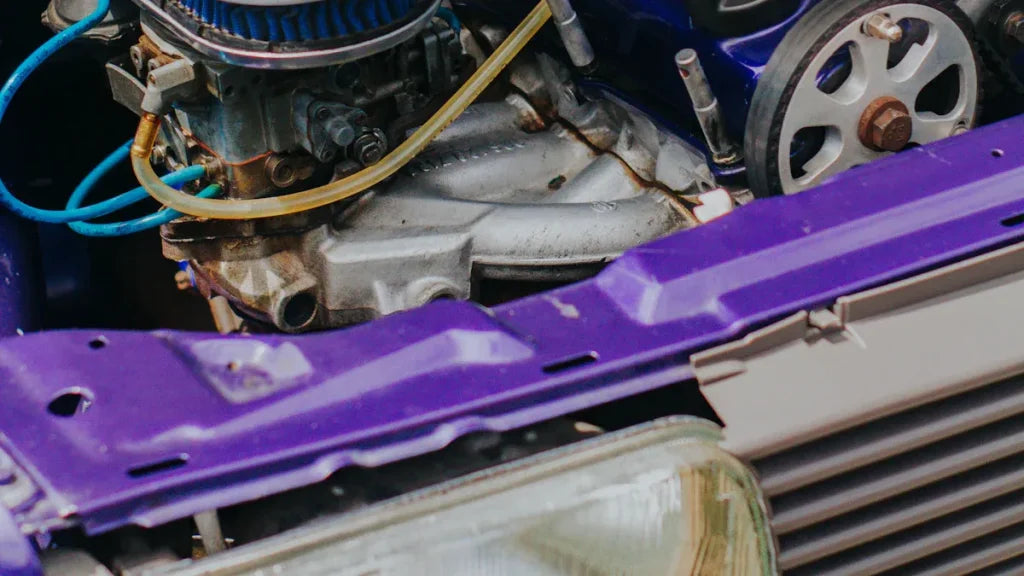
Carburetors were important in early cars. They mixed air and fuel for the engine to work. This mix had to be just right for the engine to run well. Carburetors used the Venturi effect. Air moving through a small tube created low pressure, pulling fuel into the air. This simple design helped cars run in different conditions.
Carburetors were easy to make and fix. Early types, like updraft and side-draft carburetors, improved as cars needed more power. Features like the idle circuit gave fuel when the engine ran slow. The power valve added extra fuel when the engine worked hard. These features made carburetors a key part of cars for many years.
|
Feature |
What It Did |
|---|---|
|
Air-Fuel Mixing |
Mixed air and fuel for the engine to burn. |
|
Venturi Effect |
Fast air lowered pressure, pulling fuel into the air. |
|
Idle Circuit |
Gave fuel when the engine ran at low speeds. |
|
Power Valve |
Added fuel when the engine needed more power to prevent knocking. |
Problems and Why They Changed
Carburetors had problems despite being useful. Their mechanical parts sometimes made the air-fuel mix uneven. Engines could get too much fuel or air, causing bad mileage and poor performance. These problems became worse as cars got more advanced.
Carburetors also couldn’t meet new pollution rules. In the 1960s and 1970s, gas prices went up, and stricter rules showed their flaws. Carbureted engines made more pollution, which hurt the environment. New electronic fuel injection systems replaced carburetors in the late 1900s. These systems were better for fuel use and pollution control.
The fall of carburetors shows how new ideas can fix old problems. While carburetors were once very important, their issues led to better solutions.
The Transition to Fuel Injection Systems
Improvements in Fuel Delivery
Fuel injection systems brought big changes to car engines. Unlike carburetors, which used mechanical parts, these systems use electronics for better fuel delivery. Fuel injectors spray fuel into the intake manifold or combustion chamber. This ensures the right mix of fuel and air for the engine.
There are different types of fuel injection systems for various engines. Multi-point injection sends fuel to each cylinder separately, making engines more efficient. Direct injection sprays fuel straight into the combustion chamber, boosting power and saving fuel. These improvements make engine management systems more flexible and easier to adjust.
Fun Fact: By the 1990s, most cars used fuel injection instead of carburetors.
Why They Are Better Than Carburetors
Fuel injection systems have many advantages over carburetors. They save fuel by delivering just the right amount, reducing waste. This also cuts down on pollution, helping cars meet stricter environmental rules. With better air-fuel control, engines run smoother and respond faster when you press the gas pedal.
Fuel injectors are also more reliable. They have fewer moving parts than carburetors, so they last longer. But fixing them needs special tools, unlike carburetors, which were easier to repair by hand. Modern engine systems, powered by advanced technology, make tuning engines even better for today’s cars.
|
Feature |
Carburetors |
Fuel Injection |
|---|---|---|
|
Fuel Efficiency |
Wastes fuel with less precision |
Saves fuel with accurate delivery |
|
Emissions |
More pollution from unburned fuel |
Cleaner with controlled fuel-air mix |
|
Performance |
Inconsistent engine performance |
Smooth and steady engine operation |
|
Reliability |
Many parts, breaks more often |
Fewer parts, lasts longer |
|
Maintenance |
Easy to fix manually |
Needs special tools for repairs |
Switching to fuel injection changed how engines work. It helped cars meet modern needs for better performance, fuel savings, and less pollution. Today, fuel injectors are key to making engines run efficiently and smoothly.
The Rise of Cutting-Edge Engine Control Systems
The Role of Electronic Control Units (ECUs)
How ECUs changed engine management.
The arrival of ECUs was a big step for cars. These systems replaced mechanical parts with electronic controls. They monitor and adjust things like fuel injection and ignition timing. This helps engines work better in different conditions, like cold weather or high places.
ECUs also use closed-loop systems to improve performance. Oxygen sensors check exhaust gases and adjust the air-fuel mix instantly. This makes cars use less fuel and meet strict pollution rules.
Sensors and real-time data processing.
Modern ECUs depend on sensors to collect engine data. These sensors measure things like air pressure, temperature, and throttle position. The ECU uses this data to make quick changes for better efficiency and lower emissions. For example, if the engine is cold, the ECU adds more fuel to keep it running smoothly.
Digital ECUs became popular in the 1980s. They handle more data and do harder calculations than older analog systems. This upgrade allowed features like multi-point fuel injection and adaptive ignition timing, making engines smarter.
Advancements in ECU Technology
Moving to microprocessors and digital systems.
Switching to digital ECUs improved engine control. Early analog ECUs could only do simple tasks, like controlling solenoids. Digital ones, with microprocessors, added features like real-time diagnostics and feedback systems. These changes made engines more efficient and eco-friendly.
-
1970s: Basic engine controls with ECUs.
-
1980s: Digital ECUs introduced fuel injection.
-
1990s: Added security and diesel engine management.
-
2000s: Features like Drive-by-Wire appeared.
-
2010s and later: Helped with self-driving and safety systems.
Working with hybrid and electric vehicles.
Modern ECUs are key for hybrid and electric cars. They balance energy between the battery and engine for smooth operation. ECUs also extend battery life and adjust to driving habits. AI systems help predict when maintenance is needed.
The rise of advanced engine control systems shows how ECUs shape car technology. From improving gas engines to managing electric ones, ECUs lead the way in innovation.
Modern Technologies Shaping the Future
Artificial Intelligence in Engine Control
AI improving performance and cutting emissions.
Artificial intelligence is changing how engines work. It uses real-time data to make engines run better and use less fuel. This also helps reduce pollution. AI adjusts engines to match different conditions, like speed or weather, without losing power. Studies show AI can handle lots of data quickly, making engines smarter and improving how cars drive. This makes AI an important part of today’s engine systems.
Predicting problems and adjusting to your driving.
AI helps predict engine problems before they happen. It watches engine parts and warns you about possible issues. This saves money and avoids sudden breakdowns. AI also changes engine settings based on how you drive. Whether you’re in the city or on highways, AI makes sure your engine works its best for your needs.
Real-Time Data and Connectivity
IoT and cloud tech in engine systems.
The Internet of Things (IoT) and cloud computing have changed engine systems. These tools let cars collect and study data all the time. This makes engines more reliable and efficient. Key improvements include:
-
IoT handling big data for quick analysis.
-
Cloud storage keeping all engine data safe.
-
Remote monitoring helping with maintenance and performance.
These tools keep your car connected and running well, even in tough conditions.
Updates without visiting the shop.
Over-the-air (OTA) updates let car makers fix or improve your car’s software from anywhere. These updates can add new features, fix problems, and make engines better. This keeps your car up-to-date with the newest technology, improving safety and performance.
The Role in Hybrid and Electric Vehicles
Balancing energy and battery health.
In hybrid and electric cars, advanced systems manage energy between the motor and battery. The ECU makes sure power is used wisely, helping the car go farther. It also checks the battery’s health and improves braking to save energy. This makes these cars more reliable and efficient.
Working with self-driving tech.
Engine systems in hybrid and electric cars also help with self-driving features. They work with sensors and cameras to keep the car running smoothly. For example, the ECU controls power during self-driving to keep things safe and efficient. This shows how engine systems are shaping the future of cars.
|
Benefit |
Description |
|---|---|
|
Energy Efficiency |
The ECU saves power, helping hybrids and EVs go farther. |
|
Advanced Features |
It handles braking and keeps the battery in good shape. |
|
Future-Proof |
The ECU is ready for next-gen electric and hybrid cars. |
Note: Moving from gas engines to hybrid and electric cars shows how technology keeps improving, making cars cleaner and better for the planet.
The history of engine control systems shows how cars improved. Starting with simple carburetors in the 1970s, technology has advanced a lot. Each decade brought new ideas to make engines better. For example:
-
In the 1980s, digital ECUs helped with emissions and accuracy.
-
By the 2000s, features like Drive-by-Wire and turbo controls were common.
-
Now, ECUs handle many tasks, like braking and entertainment systems.
In the future, AI and self-driving will change engines even more. AI will guess road conditions, and ECUs will use sensor data for self-driving. These changes will make cars cleaner, smarter, and more efficient, helping the planet.




Share:
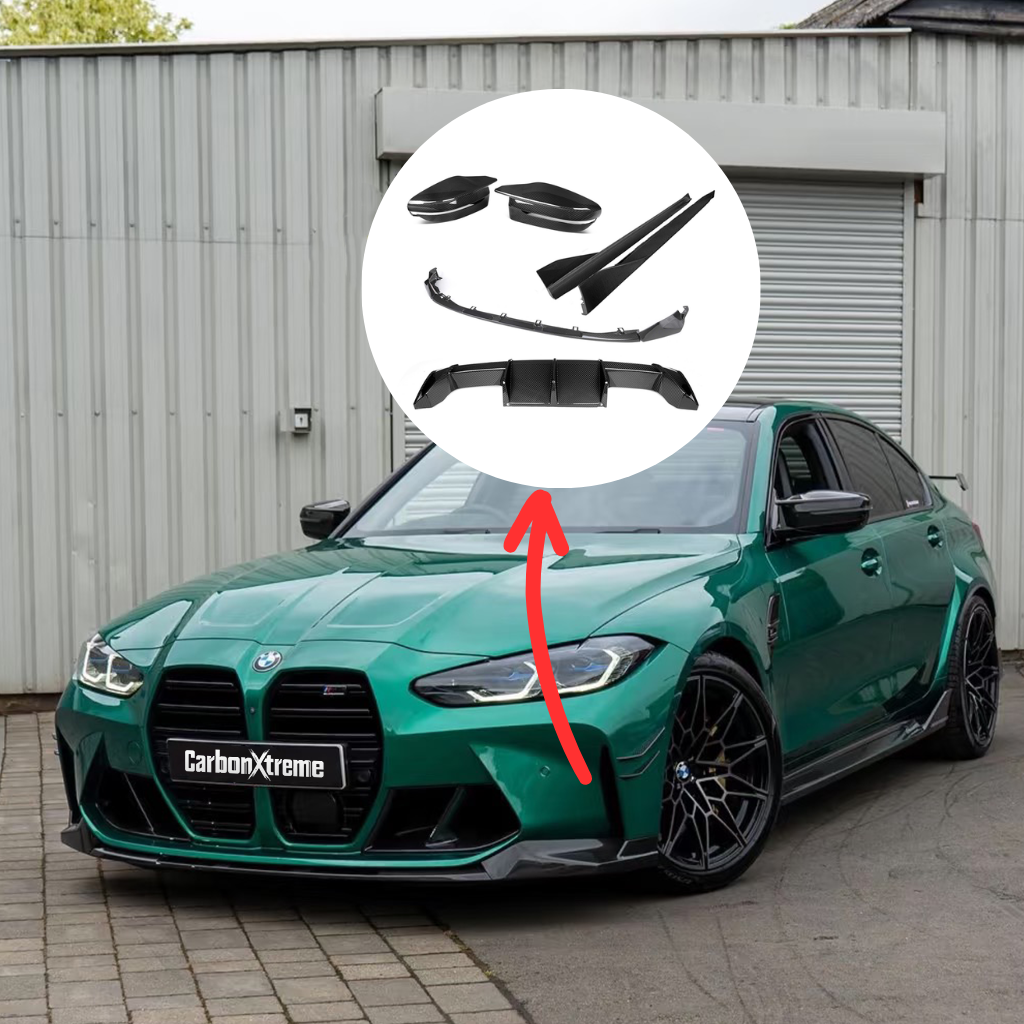
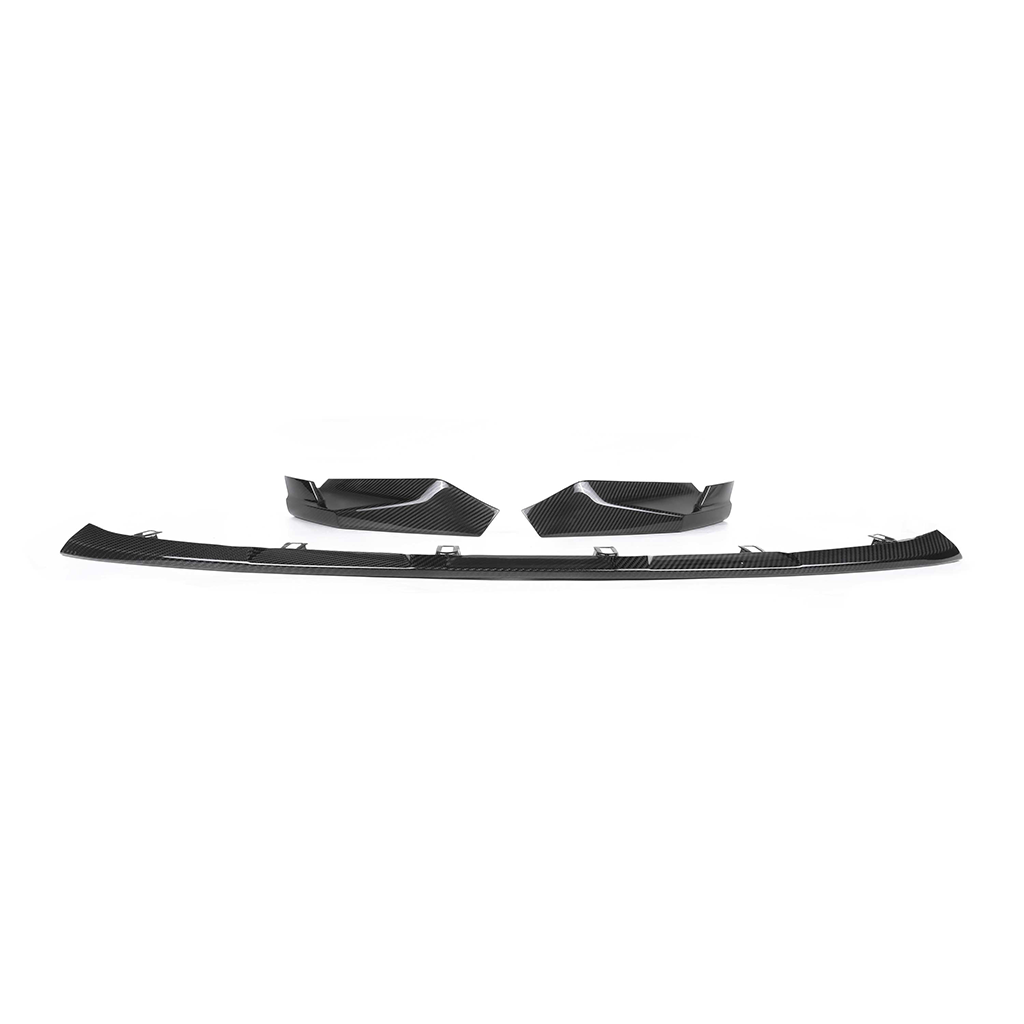
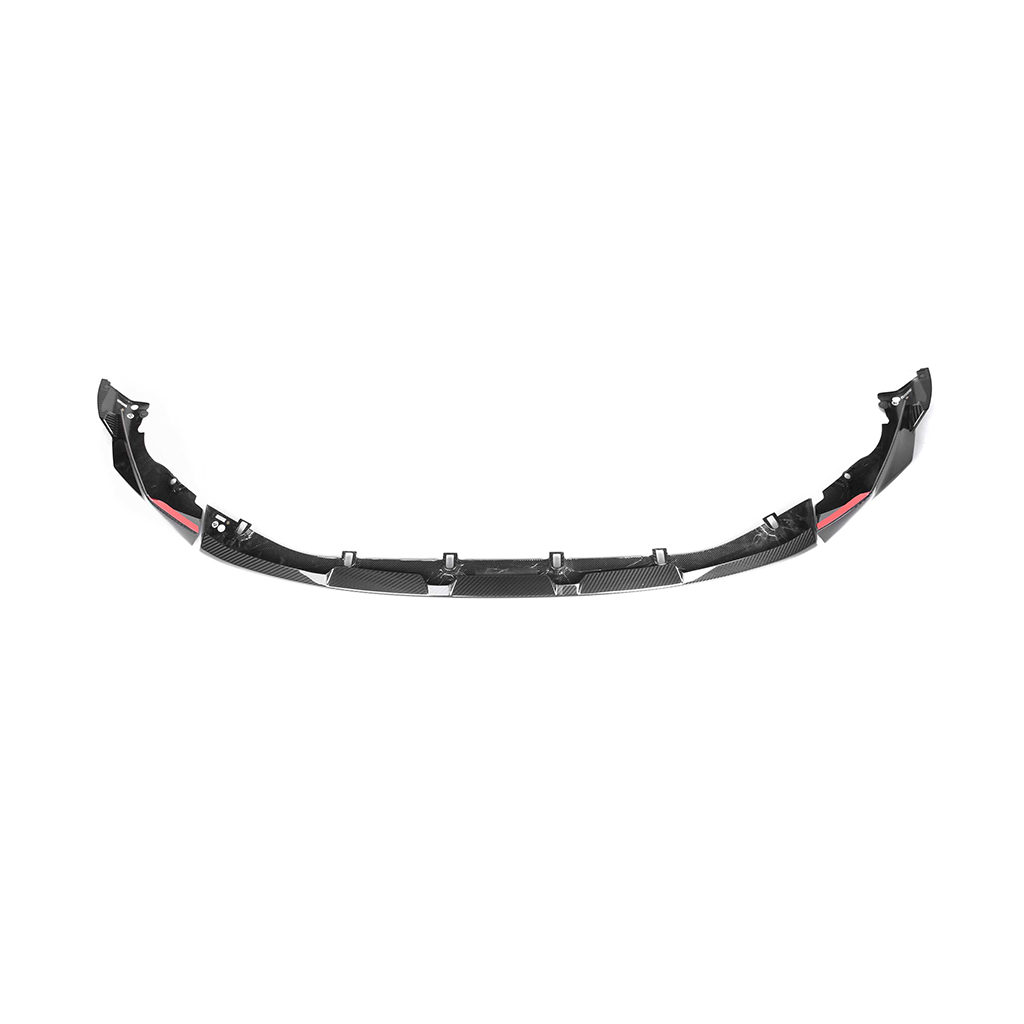
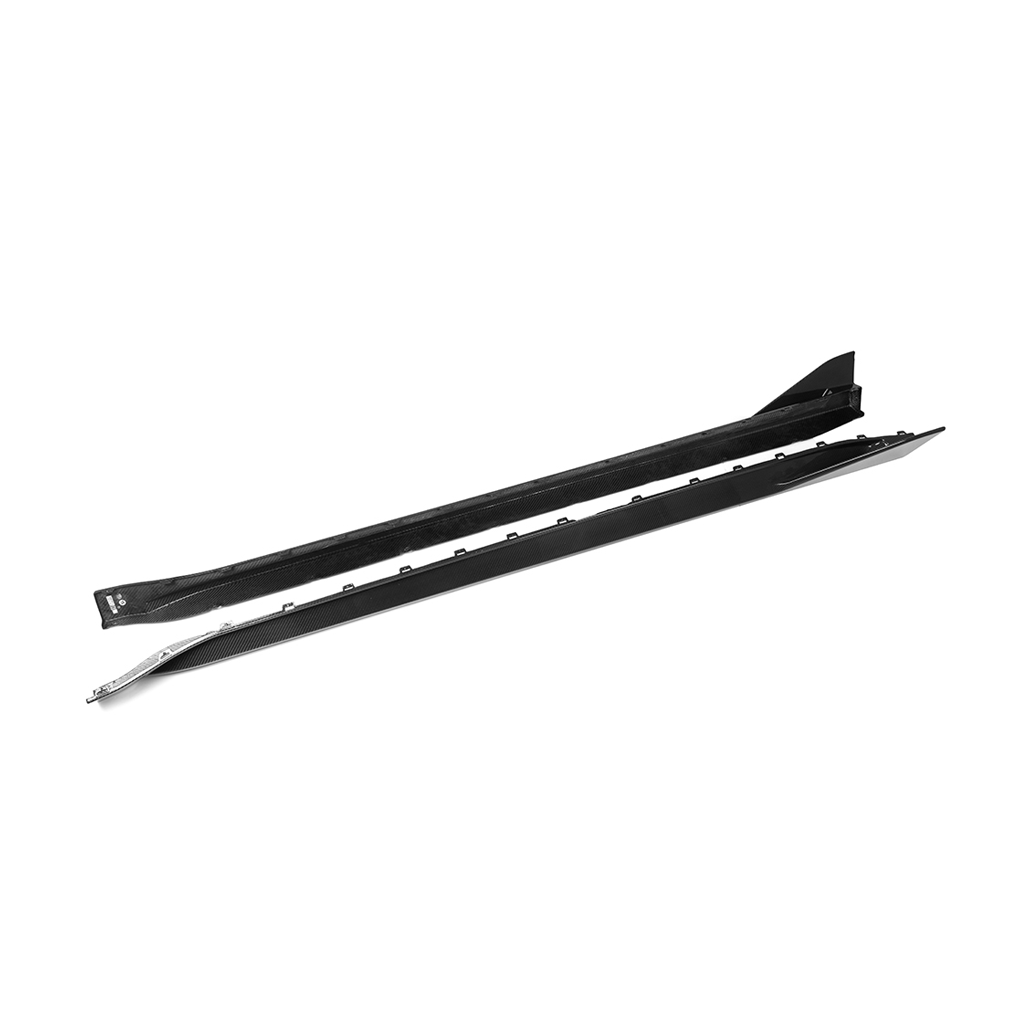
BMW G80 M3 G82 M4 Owners Love AC Style Front Lips for Performance
BMW G80 M3 G82 M4 Front Lips Solving Aerodynamic Challenges in 2025