


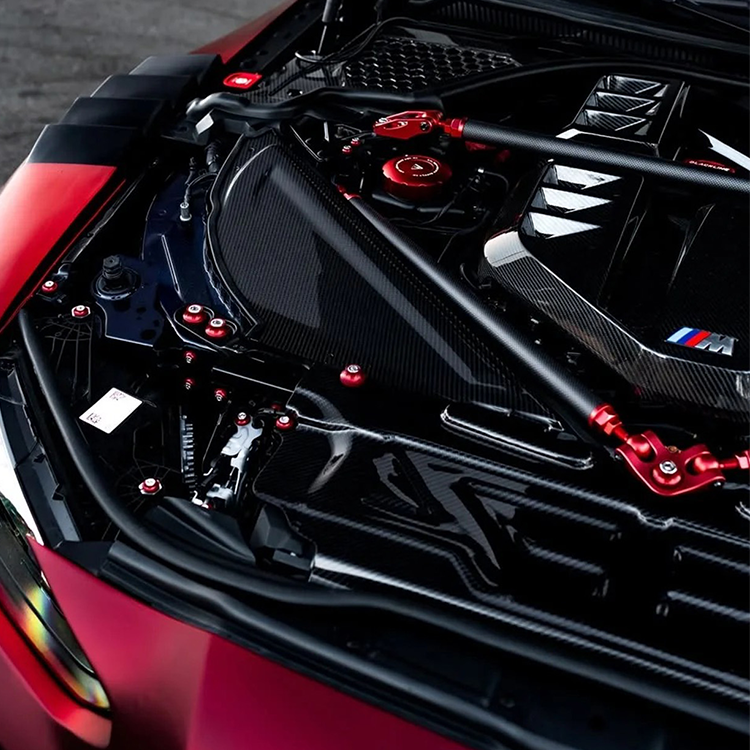
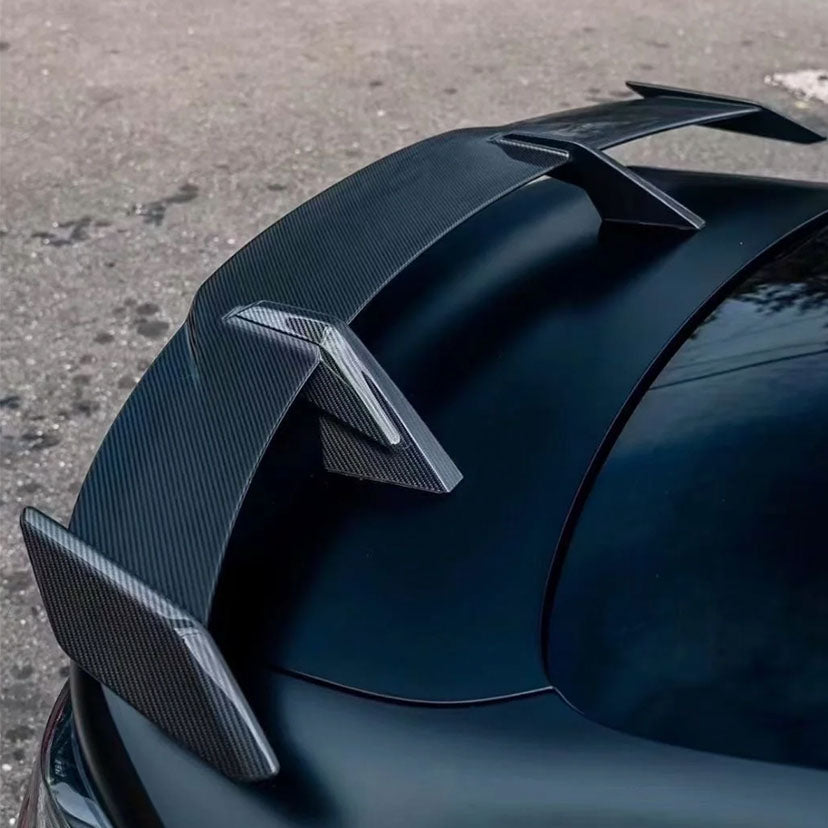

Structural carbon fiber roof support beams excel in modern construction due to their unmatched strength-to-weight ratio, stiffness, and durability. Carbon fiber materials provide 2 to 5 times the strength of aluminum at the same weight, making them ideal for applications requiring lightweight yet robust solutions. For example, a 10 kg carbon fiber sheet can outperform a 4 mm thick aluminum sheet of the same weight. These advantages make carbon fiber composite beams a preferred choice in industries like aerospace, defense, and civil engineering, where performance and longevity are critical.
Key Takeaways
-
Carbon fiber roof beams weigh much less than steel or aluminum. This helps buildings perform better and use less energy.
-
Carbon fiber is very strong but light, making it great for planes and cars.
-
It lasts longer and doesn’t rust, so it costs less to fix over time.
-
Even though it costs more at first, it’s worth it for strong and long-lasting projects.
-
Its special features let architects create cool designs with big spaces that stay stable.
Weight Advantages of Structural Carbon Fiber Roof Support Beams
Why Weight is Critical in Roof Beam Applications
Weight plays a crucial role in roof beam applications, especially in weight-sensitive applications like aerospace, automotive, and modern architecture. Reducing weight can improve performance, lower energy consumption, and enhance structural efficiency. Lightweight materials also reduce the load on supporting structures, which minimizes stress and extends the lifespan of buildings or vehicles. For industries prioritizing a high strength-to-weight ratio, selecting the right material is essential.
Carbon Fiber’s Lightweight Superiority
Carbon fiber stands out due to its exceptional lightweight characteristics. It offers a high strength-to-weight ratio, making it ideal for applications where reducing weight is critical without compromising strength. Carbon fiber composite materials weigh significantly less than traditional metals like aluminum or steel. This reduction in weight translates to improved performance, whether in vehicles, aircraft, or architectural structures. Its lightweight nature also simplifies transportation and installation, saving time and resources.
Aluminum vs Carbon Fiber: Weight Comparison
When comparing aluminum vs carbon fiber, the difference in weight becomes evident. Carbon fiber has a density of approximately 1.6 g/cm³, while aluminum’s density ranges from 2.7 g/cm³ to 2.81 g/cm³, depending on the alloy. This means carbon fiber can be 40% to 50% lighter than aluminum for the same volume. The table below highlights this comparison:
|
Material |
Density (g/cm³) |
|---|---|
|
Carbon Fiber Composite |
1.6 |
|
Aluminum (General) |
2.7 |
|
Aluminum Alloy 6061 |
2.70 |
|
Aluminum Alloy 7075 |
2.81 |
This significant weight difference makes carbon fiber the superior choice for weight-sensitive applications. While aluminum offers some advantages, carbon fiber’s lightweight characteristics and high strength-to-weight ratio make it the preferred material in demanding environments.
Steel vs Carbon Fiber: Weight Comparison
Steel, known for its strength and durability, has long been a staple in construction and engineering. However, when it comes to weight, carbon fiber outshines steel by a significant margin. The density of steel typically ranges from 7.75 g/cm³ to 8.05 g/cm³, depending on the alloy. In contrast, carbon fiber has a density of approximately 1.6 g/cm³. This means carbon fiber is about five times lighter than steel for the same volume.
The weight difference between these materials has profound implications for structural applications. For instance, in roof beam construction, lighter materials reduce the load on supporting structures. This not only enhances the overall stability of a building but also minimizes long-term maintenance costs. Carbon fiber’s lightweight nature also improves performance in industries like aerospace and automotive, where reducing weight directly impacts fuel efficiency and speed.
Steel, despite its heavier weight, remains a popular choice due to its affordability and ease of manufacturing. However, its weight can limit its use in applications requiring high mobility or minimal structural load. Carbon fiber, with its superior strength-to-weight ratio, offers a solution to these limitations. A carbon fiber roof beam can provide the same or greater strength as a steel beam while weighing significantly less. This makes it an ideal choice for projects where weight reduction is critical.
The table below highlights the stark contrast in density between steel and carbon fiber:
|
Material |
Density (g/cm³) |
|---|---|
|
Carbon Fiber |
1.6 |
|
Steel (General) |
7.75 – 8.05 |
By choosing carbon fiber over steel, industries can achieve better performance and efficiency. Its lightweight properties make it a superior material for modern engineering challenges.
Strength and Stiffness: Carbon Fiber vs Aluminum and Steel
Tensile Strength of Carbon Fiber
Tensile strength measures a material’s ability to resist breaking under tension. Carbon fiber composites excel in this area, offering tensile strengths of up to 6,000 MPa. This far surpasses aluminum, which ranges from 90 to 700 MPa depending on the alloy, and even high-strength aluminum alloy 7075, which reaches 572 MPa. Steel, while stronger than aluminum with tensile strengths up to 1,000 MPa, still falls short of carbon fiber’s capabilities.
|
Material |
Tensile Strength (MPa) |
|---|---|
|
Carbon Fiber Composite |
Up to 6,000 |
|
Aluminum (General) |
90 – 700 |
|
Aluminum Alloy 7075 |
572 |
|
Steel |
Up to 1,000 |
This exceptional tensile strength makes carbon fiber composites ideal for applications requiring high strength-to-weight ratios, such as aerospace and automotive industries. These materials provide unmatched performance characteristics while maintaining a lightweight profile.
Stiffness-to-Weight Ratio: A Key Metric
The stiffness-to-weight ratio is another critical factor in material selection. Carbon fiber exhibits a modulus of elasticity ranging from 70 to 294 GPa, significantly higher than aluminum’s 69 to 79 GPa. This translates to superior rigidity and reduced flex in demanding applications. Compared to steel, carbon fiber offers 2 to 5 times more stiffness while being approximately five times lighter.
|
Material |
Stiffness Ratio |
Weight Reduction |
Strength Increase |
|---|---|---|---|
|
Carbon Fiber |
2-5x more |
42% less |
60% more |
|
One-direction CF |
5-10x more |
N/A |
N/A |
These properties make carbon fiber composites the preferred choice for high-performance applications where both strength and rigidity are essential.
How Steel and Aluminum Compare in Strength and Stiffness
Steel and aluminum, while widely used, cannot match the high stiffness-to-weight ratio of carbon fiber. Steel offers a Young’s Modulus of 200 GPa, higher than aluminum’s 69 GPa but lower than carbon fiber’s 181 to 264 GPa. This means carbon fiber provides greater strength and rigidity at a fraction of the weight.
|
Material |
Stiffness (GPa) |
Ultimate Strength (kN·m/kg) |
|---|---|---|
|
Aluminum |
69 |
500 |
|
Steel |
200 |
1,000 |
|
Carbon Fiber (1D) |
181 |
1,600 |
|
Carbon Fiber (2D) |
264 |
736 |
Carbon fiber’s high stiffness-to-weight ratio and superior strength make it the optimal material for industries prioritizing lightweight construction and durability.
Durability and Environmental Resistance of Carbon Fiber
Corrosion Resistance of Carbon Fiber
Carbon fiber offers exceptional resistance to corrosion, making it a reliable choice for long-term structural applications. Unlike steel, which is prone to rust when exposed to moisture, carbon fiber remains unaffected by water or oxygen. Aluminum also resists corrosion well, but when paired with carbon fiber, galvanic corrosion can occur. This phenomenon primarily affects aluminum, accelerating its degradation when the two materials are in contact. For this reason, engineers often use protective coatings or insulating layers to prevent such interactions. The inherent corrosion resistance of carbon fiber ensures its durability in harsh environments, including marine and industrial settings.
Thermal Expansion: Carbon Fiber vs Metal Materials
Thermal expansion refers to how much a material expands or contracts with temperature changes. Carbon fiber exhibits one of the lowest thermal expansion rates among commonly used materials, making it ideal for applications requiring dimensional stability.
-
Carbon fiber expands more than three times less than steel, ensuring minimal deformation under temperature fluctuations.
-
Compared to aluminum, carbon fiber’s thermal expansion rate is six times lower, providing superior stability in high-precision applications.
This property allows carbon fiber to maintain its shape and performance in environments with extreme temperature variations, unlike metals that may warp or weaken over time.
Longevity and Maintenance of Structural Carbon Fiber Roof Support Beams
The longevity of carbon fiber roof beams surpasses that of traditional materials like steel and aluminum. Its resistance to corrosion and minimal thermal expansion contribute to its extended lifespan. Additionally, carbon fiber reinforced polymer (CFRP) structures require less maintenance over time. Steel beams often need regular inspections and treatments to prevent rust, while aluminum may require protective coatings to avoid galvanic corrosion. In contrast, carbon fiber composites maintain their structural integrity with minimal upkeep. This durability makes carbon fiber an excellent investment for projects prioritizing long-term performance and reduced maintenance costs.
Cost and Manufacturing Complexity of Carbon Fiber
Why Carbon Fiber is More Expensive
Carbon fiber is significantly more expensive than traditional materials like steel and aluminum. Its cost ranges from $30 to $85 per kilogram, while aluminum costs approximately $2 to $3 per kilogram. Several factors contribute to this price difference:
-
The production of carbon fiber involves intricate engineering and labor-intensive processes.
-
Manufacturing requires customized molds, which increase costs for specific applications.
-
The scarcity of carbon fiber production facilities limits supply, further driving up prices.
-
The precursor materials used in carbon fiber production are more expensive than those for aluminum or steel.
-
Carbon fiber manufacturing consumes more energy and takes longer due to its complex, multi-step process.
These factors make carbon fiber up to 40 times more expensive than aluminum. Despite the higher cost, its unmatched strength-to-weight ratio and durability justify the investment in high-performance applications.
Manufacturing Challenges of Carbon Fiber
Producing carbon fiber involves several challenges that add to its complexity. The process begins with creating precursor materials, such as polyacrylonitrile (PAN), which undergoes oxidation, carbonization, and surface treatment. Each step requires specialized equipment and precise control to ensure quality.
The need for high temperatures during carbonization increases energy consumption. Additionally, the production process is time-intensive, as each layer of carbon fiber must be carefully laid and cured. This meticulous process ensures the material achieves its desired strength and stiffness. However, it also limits production speed and scalability.
Another challenge lies in the customization of carbon fiber components. Engineers often design unique molds for specific projects, which increases both time and cost. These challenges highlight why carbon fiber manufacturing remains a specialized and costly endeavor.
When the Investment in Carbon Fiber is Worth It
The higher cost of carbon fiber becomes worthwhile in applications where weight reduction, strength, and durability are critical. Industries like aerospace and automotive benefit significantly from its lightweight properties, which improve fuel efficiency and overall performance.
In architectural projects, carbon fiber roof beams reduce structural loads, enhancing stability and longevity. Its resistance to corrosion and minimal maintenance requirements make it an excellent choice for environments with harsh conditions.
For high-performance industries, the long-term benefits of carbon fiber outweigh its initial cost. Its superior strength-to-weight ratio, combined with exceptional durability, ensures reliable performance over time. This makes carbon fiber an ideal material for projects prioritizing innovation and efficiency.
Applications Highlighting the Superiority of Carbon Fiber
High-Performance Industries (e.g., Aerospace, Automotive)
Carbon fiber has become a cornerstone material in high-performance industries due to its exceptional strength-to-weight ratio and durability. Its lightweight nature allows engineers to design structures that are both strong and efficient. Some industries where carbon fiber roof beams and components are commonly used include:
-
Aerospace: Aircraft manufacturers use carbon fiber to reduce weight, which improves fuel efficiency and increases payload capacity.
-
Automotive: High-performance vehicles incorporate carbon fiber roof beams to enhance speed and handling while maintaining structural integrity.
-
Civil Engineering: Bridges, tunnels, and other infrastructure projects benefit from carbon fiber’s ability to withstand heavy loads without adding unnecessary weight.
These industries prioritize materials that deliver superior performance under demanding conditions. Carbon fiber’s unique properties make it an indispensable choice for such applications.
Specialized Architectural Applications
In modern architecture, carbon fiber roof beams offer innovative solutions for complex designs. Their lightweight and high-strength characteristics allow architects to create large-span structures without compromising stability. For example, carbon fiber is often used in stadium roofs, exhibition halls, and other large-scale projects where traditional materials like steel or aluminum would add excessive weight.
Additionally, carbon fiber’s resistance to corrosion and minimal thermal expansion make it ideal for buildings in harsh environments. Coastal structures, for instance, benefit from carbon fiber’s ability to withstand saltwater exposure without degrading. Its adaptability also enables the creation of intricate designs that would be challenging with conventional materials. This versatility has positioned carbon fiber as a preferred material for cutting-edge architectural projects.
Future Trends in Structural Carbon Fiber Roof Support Beams
The use of carbon fiber in structural applications continues to expand as industries recognize its potential. Customized carbon fiber beams are now being developed for specialized uses, such as robotics and load-bearing structures. Emerging trends include:
-
Strong and stiff structures capable of withstanding natural forces.
-
High tensile strength combined with a low weight-to-strength ratio.
-
Excellent chemical resistance and temperature tolerance.
Carbon fiber is also gaining traction in industrial and civil buildings. Applications range from railway and highway bridges to sound insulation walls and large-scale roof systems. Its lightweight nature enhances construction efficiency, reducing installation time and costs. As demand grows, advancements in manufacturing processes may further increase its accessibility, solidifying its role in high-performance applications across various sectors.
Structural carbon fiber roof beams deliver unmatched advantages in modern engineering and construction. Their superior strength, stiffness, and lightweight properties make them ideal for industries prioritizing performance and efficiency. The long-term benefits of carbon fiber include exceptional durability, high tensile strength, and resistance to environmental factors. These attributes ensure reliable performance in demanding applications.
The table below highlights the key properties that make carbon fiber a superior choice:
|
Property |
Description |
|---|---|
|
Strength |
Carbon fiber is very strong, providing structural integrity. |
|
Stiffness |
High stiffness contributes to durability and performance. |
|
High tensile strength |
Ensures the material can withstand significant loads. |
|
Low weight to strength ratio |
Reduces overall weight in construction, enhancing efficiency. |
|
Chemical resistance |
Protects against degradation from environmental factors. |
|
Temperature tolerance |
Can withstand high temperatures without losing integrity. |
|
Low thermal expansion |
Maintains dimensional stability under temperature changes. |
Although carbon fiber is more expensive than steel or aluminum, its benefits justify the investment in high-performance and specialized applications. For industries seeking lightweight construction, longevity, and superior material properties, carbon fiber remains the optimal choice.



Share:
Which is Better for Exhaust Flow Efficiency 45-Degree or 90-Degree Bends
How to Select the Perfect Carbon Fiber Gear Knob for Your Car